
The best plants for poor soil are native grasses, low ground covers, and a few hardy shrubs that shrug off lean, compacted dirt. The harshest spots in your yard tell the story. A bare, eroded slope where your grass seed washes away is the exact place where tough natives take hold and stay put. These same plants double as erosion control for you, since their deep roots grip soil that would otherwise slide away with every storm.
Here is the part that trips up a lot of gardeners. The fussy ornamentals you baby with fertilizer and rich compost will sulk in your hard, eroded ground. But drought tolerant natives treat that same ground as home. They evolved in it. Where your pampered hosta would rot or starve, a clump of native grass spreads out and digs in. The worse your spot looks, the bigger the gap between the two. So match the plant to the site, not the site to the plant.
There is a real reason native grasses cope so well. They are built for drought and lean soil down at the root. The USDA-NRCS even uses them as a tool to fix worn-out land. Your roots run deep here, sometimes several feet down. So the plants pull water and nutrients from layers a shallow root never reaches. That same root mass holds your slope together and slows runoff in a hard rain.
Below are dependable picks for your tough sites, grouped by what they do best. You can mix all three groups on one slope and let them sort out who goes where. Put the grasses up top, the ground covers in the gaps, and a shrub or two near the bottom.
Native Grasses
- Little bluestem: Handles dry, rocky, low-fertility soil and turns a deep copper-red in fall, growing 2 to 4 feet tall without any feeding.
- Switchgrass: Sends roots down past 6 feet, which anchors banks and pulls moisture from deep soil during droughts.
- Why they win: Both spread by fibrous roots that knit loose soil together, so they hold slopes while they fill in.
Tough Ground Covers
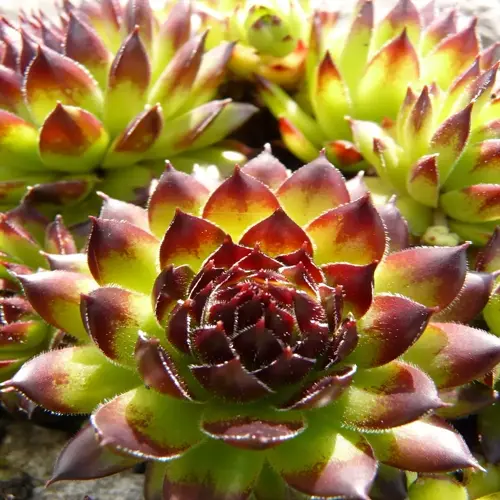
- Sedum: Stores water in fleshy leaves and roots in gravelly, shallow dirt where almost nothing else will start.
- Creeping phlox: Spreads into a low mat over poor, rocky ground and covers it with color in spring.
- Why they win: They blanket bare soil fast, which shades out weeds and stops rain from washing the surface away.
Resilient Shrubs
- Aronia chokeberry: Tolerates poor, wet, or dry soil and still produces berries, growing 3 to 6 feet wide once settled.
- Root strength: Its woody root system stabilizes the lower part of a slope where grasses alone may not be enough.
- Why it wins: It asks for almost nothing after the first season and feeds birds through winter.
Now the advice that saves you the most work. Your poor soil rarely needs heavy amending for any of these plants. Dumping in bags of compost or fertilizer often does more harm than good. It pushes soft, weak growth. Worse, it invites weeds to move in next to your young natives. So plant into the soil you have. Water through the first season while the roots get going. Then step back and let them work.
The long game is the best part. As these natives build roots, they improve your soil structure on their own. Dead roots feed organic matter into the ground. Open channels let your rain soak in instead of running off. After a few years that lean, compacted spot turns into living soil. You did not fix the dirt yourself. You planted the right things and let them fix it for you. That is the easiest win in the whole yard.
Read the full article: Best Erosion Control Plants for Slopes