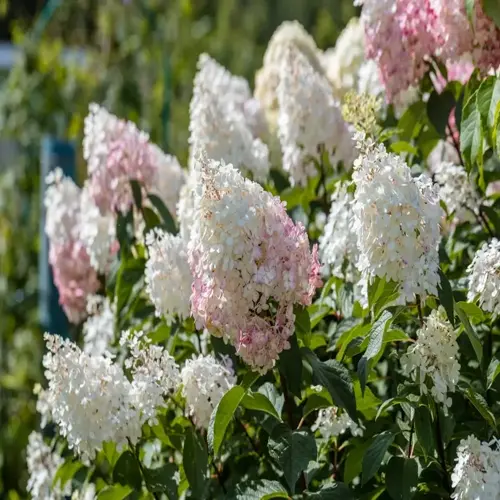

The plants that like tea leaves in the soil are your acid-loving plants. Roses, ferns, azaleas, camellias, and blueberries all do well when you give them a little of your spent tea. The mild acidity matches what these plants want from the ground, and the leaves feed your soil as they slowly rot down.
Spread a handful of damp, used leaves around the base of a rose or a fern, and watch what happens over a few weeks. The leaves darken, soften, and start to break apart into the top layer of soil. As they do, they nudge the ground a touch more acidic. They also leave behind a thin layer of organic matter that worms pull deeper into the bed.
Here is the mechanism in plain terms. Tea leaves carry mild tannic acid, so as they decompose they lower your soil pH a little. They also add small amounts of nitrogen and other nutrients your plants can use. Plants that prefer acidic ground take this in stride. It is the same reason the tea plant itself grows best in soil sitting around pH 4.5 to 6.5. What suits the tea bush tends to suit your other acid lovers too, which is why spent leaves work as a quiet helper across so many beds.
Roses
- Why it works: Roses thrive in slightly acidic soil near pH 6.5, which spent leaves help maintain over time.
- Best use: Scratch loose leaves into the topsoil at the drip line, not against the main stem.
- Bonus: The thin layer of organic matter feeds soil life that keeps roots healthy.
Ferns and Camellias
- Why it works: Both want cool, moist, acidic ground, and tea leaves hold a bit of water as they break down.
- Best use: Tuck a small handful under the leaf litter where the soil stays shaded.
- Watch for: Keep the layer thin so air still reaches the crown of the fern.
Azaleas and Blueberries
- Why it works: These are strong acid lovers that want soil as low as pH 4.5 to 5.5 to take up iron.
- Best use: Mix used leaves into mulch each season rather than dumping them all at once.
- Result: Greener leaves and better fruit set on blueberries over a couple of growing seasons.
Now for how to put used tea leaves in garden beds the right way. Tear open your bags and shake out the loose leaves first, since the paper and some staples do not break down well in soil. Spread the leaves thin, about a quarter inch at most, and work them lightly into the surface. A thin scatter feeds your soil. A thick pile mats together, blocks air, and can grow mold instead, which helps nobody.
The smarter move is to compost the leaves first. Toss your spent leaves onto the compost pile with other kitchen scraps and let them rot for a few weeks before they touch a plant. This way your soil acidifies in a gentle, even way instead of all at once. Finished compost is also far less likely to draw pests than fresh leaves sitting out on bare ground near your stems.
Go easy and keep an eye on your plants. A small handful per plant every week or two is plenty, even for hungry acid lovers like blueberries. If you have many bags piling up, send the extra to your compost rather than burying it all around one shrub. Used leaves are a steady, mild boost, not a quick fix. The best results show up over a full season of regular, light feeding, so be patient and let your soil settle into its new rhythm.
Read the full article: Tea Garden Plants: A Complete Grow Guide