
Introduction
The best tea garden plants let you do two things in one backyard bed. You can grow the real tea bush that gives you green, black, and oolong tea, and you can grow a row of fragrant herbs for fresh cups too. Most people pick one path or the other, but you don't have to choose.
I cut my first handful of leaves from a tea bush three years after I set it in the ground, and the wait was worth every season. Tea is worth the patch of ground it takes up. It sits second only to water in how much the world drinks, so you're growing something people have loved for a very long time. That fact comes straight from researchers at Washington State University, and it tells you this plant earns its spot in your yard.
This guide keeps both paths together, the true tea plant and a full set of herbal tea plants in one place. You get the practical zone charts, the drying steps, and the real science behind why one cup tastes different from the next. It runs from the tea bush all the way to your favorite garden herbs.
You'll walk through the true tea plant and the easy herbal picks first. Then we cover soil and growing zones, a simple garden layout, harvest and storage, and why your homegrown leaves taste like no store can match. Whether you want a full herbal tea garden or you just want to grow tea at home, you'll find a clear path here.
The True Tea Plant
Every cup of green, black, oolong, and white tea starts with one plant. That plant is Camellia sinensis, the true tea plant, and it is the most important member of any serious tea garden. The color and style in your mug comes down to how the leaves are handled after picking, not a different bush in the ground.
So green and black tea both grow on the same shrub in your yard. Growers pick the tender top growth, called two leaves and a bud, then wither and oxidize it in different ways. Skip the oxidation and you get green tea. Let the leaves brown all the way and you get black tea. One tea bush, many drinks.
I planted a single Camellia sinensis var. sinensis in the part-shade bed near my back fence about five years ago, in a humid Zone 7 corner of the Southeast. For two springs it just sat there and pushed out small glossy leaves. The first real harvest did not come until year three, and even then I only had enough for a few cups.
That slow start is normal. The tea plant is a slow grower. Left alone it climbs to 6 to 15 feet (1.8 to 4.6 meters) tall. Most home gardeners keep it pruned to 4 to 5 feet (1.2 to 1.5 meters) so fresh shoots stay in reach. There are two main types to know. The Chinese variety has small leaves and shrugs off cold winters. The Assam variety has bigger leaves but needs a warm climate to live.
One Plant, Many Teas
- Species: Camellia sinensis is the single evergreen shrub behind all true caffeinated tea, including green, black, oolong, and white.
- Tea type: The color and style of tea depends on how the picked leaves are withered, rolled, and oxidized, not on a different plant.
- Harvest pick: Growers take the tender top growth known as two leaves and a bud, which gives the best flavor and texture.
- Flowers: The fragrant white autumn flowers are also edible and can be brewed into a light, delicate cup of their own.
Size and Growth Habit
- Mature size: Left alone, the plant reaches 6 to 15 feet (1.8 to 4.6 meters) tall and 4 to 8 feet (1.2 to 2.4 meters) wide.
- For tea: Most growers prune it to a tidy 4 to 5 feet (1.2 to 1.5 meters) so new shoots stay within easy reach for picking.
- Growth rate: It is a slow grower, which is why a young plant takes about three years before it is ready for a real harvest.
- Form: The plant is a densely branched evergreen shrub or small tree with small, glossy, leathery leaves.
Two Main Varieties
- Chinese type: Variety sinensis has smaller 2 to 3 inch (5 to 8 centimeter) leaves and is the cold-hardy choice for cooler gardens.
- Assam type: Variety assamica has larger 3 to 5 inch (8 to 13 centimeter) leaves but is tender and suited only to warmer regions.
- Cold tolerance: The Chinese variety survives much colder winters, making it the safer pick for most home gardeners in temperate zones.
- Flavor link: Variety and growing conditions both shape the final cup, so your homegrown leaves will taste unique to your yard.
Where It Comes From
- Origin: Camellia sinensis is native to south-central and southeast China and has been grown there for thousands of years.
- In nature: In the wild it grows as an understory shrub in moderate to heavy shade beneath taller trees.
- In cultivation: Tea plantations grow it in open fields in full sun, which boosts leaf production for harvest.
- At home: This flexibility means you can place it in full sun or partial shade and still grow usable leaves.
Tea has been part of daily life in China for at least 2,200 years, so you are joining a very old habit. The plant rewards that patience in a big way. A single tea plant can live and produce leaves for 50 to 100 years or more. That makes it a real long-term piece of your garden, not a quick crop. Where you put it matters too, and here the wild plant and the farm plant tell two different stories.
Plants are understory shrubs in nature and grow in moderate to heavy shade, but tea plantations are almost always in open fields in full sun.
Best Herbal Tea Plants to Grow
Your true tea bush takes about 3 years to give you a real harvest. So while it grows, fill the rest of the bed with herbal tea plants that hand you a cup in their first season. These caffeine-free brews are called tisanes, and they are not true tea at all, but they taste great and grow fast.
Think of your herb bed as a flavor pantry. Peppermint gives you a cooling lift. Chamomile makes a mellow nighttime cup. Lemon balm brings citrus brightness, and tulsi adds a warm, clove-like note. Pick a few tisane plants that match the cups you want to drink.
Most of the herbs below are tough, easy, and vigorous pollinator plants. The same bed that fills your teapot also feeds your bees and butterflies. One warning though. Mint spreads fast underground, so keep your plant in a pot or a buried barrier or it will swallow your bed.
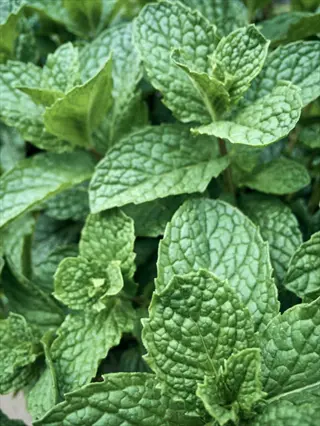
Peppermint and Spearmint
- Flavor: Mint gives a bright, cooling cup that works hot or iced and blends well with almost any other tea herb.
- Growing: It thrives in full sun to part shade and rich, moist soil, returning reliably as a hardy perennial each year.
- Habit: Mint spreads fast by underground runners, so plant it in a container or a buried barrier to keep it from taking over.
- Harvest: Snip leafy stems before the plant flowers for the strongest flavor, and the plant quickly regrows more.
- Use: Fresh or dried leaves both brew well, and a small handful makes a strong, refreshing single cup.
- Bonus: The flowers are a magnet for bees, making mint a friendly addition for pollinators in the tea bed.
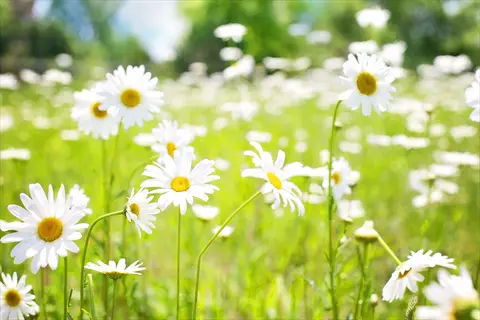
Chamomile
- Flavor: Chamomile brews a mellow, gently apple-like cup that is a classic choice for a calming evening drink.
- Growing: It prefers full sun and well-draining soil and is easy to start from seed in spring after the last frost.
- Types: German chamomile is a self-sowing annual, while Roman chamomile is a low, spreading perennial groundcover.
- Harvest: Pick the small daisy-like flower heads when fully open, then dry them for tea or use them fresh.
- Habit: German chamomile often reseeds itself, so one planting can return year after year with little effort.
- Pairing: It blends nicely with mint or lemon balm for a softer, more rounded herbal cup.
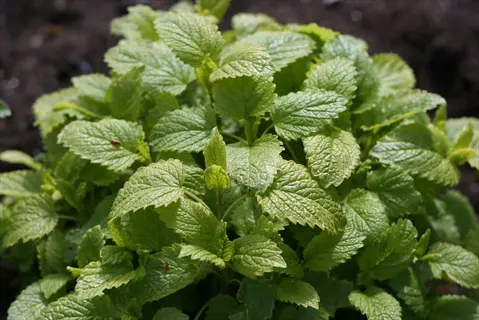
Lemon Balm
- Flavor: Lemon balm adds a soft, citrus brightness that lifts a blend without overpowering the other herbs.
- Growing: This hardy perennial in the mint family grows easily in full sun to part shade and tolerant of many soils.
- Habit: It is vigorous and can self-sow, so trim flower heads if you want to limit how much it spreads.
- Harvest: Pick young leaves often, ideally before flowering, when the lemon scent and flavor are at their peak.
- Use: Both fresh and dried leaves brew well, though the bright citrus note is strongest when used fresh.
- Bonus: Its small flowers draw bees, so it earns its place as both a tea herb and a pollinator plant.
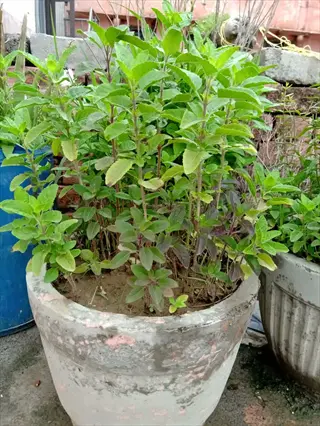
Tulsi (Holy Basil)
- Flavor: Tulsi brews a warm, slightly clove-like and peppery cup that stands apart from sweeter herbal teas.
- Growing: This tender plant loves full sun and warm weather and is usually grown as an annual in cooler regions.
- Start: Sow seeds indoors and move plants out after the last frost, since tulsi dislikes cold soil and chilly nights.
- Harvest: Pinch leafy tips regularly to keep the plant bushy and productive throughout the warm growing season.
- Use: Fresh or dried leaves both make tea, and the flavor stays distinctive even after drying.
- Bonus: The flower spikes are highly attractive to bees, adding pollinator value to the herb bed.
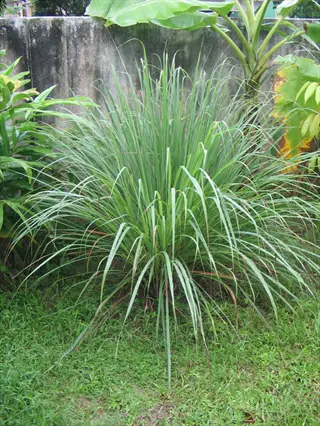
Lemongrass
- Flavor: Lemongrass gives a clean, lemony cup that is refreshing on its own and excellent in blends.
- Growing: This tender grass needs full sun and warmth, grown as an annual or overwintered indoors in cold-winter areas.
- Habit: It forms a tall, clumping fountain of grassy blades that adds height and structure to the tea bed.
- Harvest: Cut outer stalks and blades as needed, then chop them before steeping to release the citrus flavor.
- Use: Both fresh and dried lemongrass brew well, and it pairs beautifully with ginger or mint.
- Care: In cold climates, pot it up and bring it inside before frost to keep the clump alive over winter.
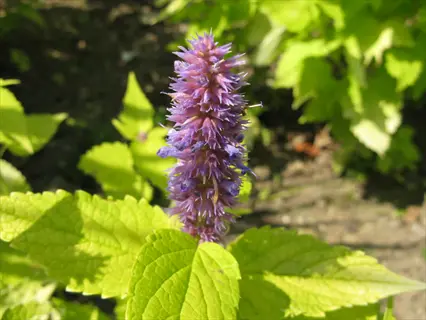
Anise Hyssop
- Flavor: Anise hyssop brews a sweet, licorice-like cup with a hint of mint that many find naturally soothing.
- Growing: This hardy perennial thrives in full sun and well-draining soil and is easy to grow from seed.
- Habit: It forms upright clumps topped with tall purple flower spikes that look striking at the back of a bed.
- Harvest: Use both the fragrant leaves and the edible flowers, picking them when the plant is in active growth.
- Use: Fresh or dried, the leaves and flowers add a distinctive sweet anise note to herbal blends.
- Bonus: The purple spikes are one of the best pollinator magnets in the garden, buzzing with bees all summer.
Start with two or three of these and you will have fresh cups within weeks. Anise hyssop and lemongrass add height at the back, while chamomile and lemon balm fill the front. Mix flavors you love, give the mint its own pot, and your tea garden earns its keep long before the true tea bush is ready.
Soil, Sun, and Hardiness Zones
Get the site right and tea garden plants almost grow themselves. The true tea bush wants acidic soil, steady moisture while young, and the kind of spot you would pick for blueberries. If you can grow blueberries in your yard, you can grow tea.
Start with USDA hardiness zones. That one number tells you if tea lives through your winter. NC State Extension rates Camellia sinensis for Zones 6a to 9b. Hardiness comes down to the variety. The Chinese variety sinensis takes the cold to Zone 6. The tender Assam variety assamica holds up only in Zone 7 and warmer.
Soil pH for tea sits on the acidic side. NC State puts the sweet spot below pH 6.0, and other Extension sources stretch the workable range to about 4.5 to 6.5. Tea is not fussy about soil texture and handles clay, loam, or sand. What it will not forgive is wet feet, so give it well-draining soil where water never pools after rain.
Light is more flexible than most guides admit. Tea grows as a shade understory shrub in the wild, yet plantations plant it in open fields under full sun. Both work at home. Pick full sun in cooler climates for more leaf, or lean toward part shade where summer heat runs hard. The table below lays out every condition at a glance.
Once a tea bush roots in, it shrugs off heat and short dry spells with ease. Washington State University finds tea grows best in Zones 7 to 10. There the temperature runs 70 to 84°F (21 to 29°C) with high rainfall. The catch is the first year or two. Young plants need steady water until they settle, so keep the root zone moist while they build out roots.
If your soil is not naturally acidic, grow tea in a large container of acidic, well-draining potting mix so you can control the pH instead of fighting your native ground.
Designing Your Tea Garden
Good tea garden design starts with the space you already have. You do not need a field or a sprawling backyard to grow a steady supply of leaves and flowers. A few large containers or one small raised bed can hold a productive mix of mint, chamomile, and a young tea shrub.
A smart tea garden layout follows a simple order. You pick the spot, plan the beds, group plants that share the same needs, then carve out paths so you can reach every plant. Work through it in that sequence and the whole garden falls into place without much fuss.
Through the kitchen window each morning, my herb bed catches the early light. Peppermint crowds one corner. Chamomile sits dotted with tiny white flowers. Lemon balm glows bright green beside the older tea shrub. The whole patch fits in one small raised bed I can reach from the back step. I keep the peppermint in its own buried pot so it never jumps the border. A clipped path runs along the front, so I pick a handful for the pot before the kettle even boils.
Height tiering keeps a bed easy to read and easy to harvest. Tall plants like lemongrass and anise hyssop go at the back where they will not shade out smaller herbs. Mid-height tea bush shrubs sit in the middle. Low spreaders such as Roman chamomile or a mint border line the front, so nothing tall hides the plants you reach for most.
Spacing and grouping do the quiet work. Give each home tea plant about 3 to 5 feet (0.9 to 1.5 meters) so the shrub has room to fill in over the years. Group plants by shared water and sun needs, and keep thirsty herbs well away from drought-tolerant ones. That bit of companion planting logic means one watering can serve a whole cluster instead of fighting plants that want opposite things.
Pick a site with at least a few hours of sun and good drainage, near a path or door so harvesting stays a daily habit.
Place plants with similar sun and water needs together, keeping thirsty herbs apart from drought-tolerant ones so every plant thrives.
Set tall plants like lemongrass and anise hyssop at the back, tea shrubs in the middle, and low mint or chamomile at the front.
Give home tea plants about 3 to 5 feet (0.9 to 1.5 meters) of room, and contain mint in a pot or buried barrier so it cannot spread.
Leave clear walking paths and tidy borders so you can reach every plant easily and the garden stays attractive year-round.
Container gardening makes all of this work on a balcony or patio too. Use one big pot of mint, another of chamomile, and a third for your tea shrub. You get the same layered, pollinator-friendly garden in a much smaller space. Keep the mint in its own pot and leave room to walk between them. The result is an easy-care patch that hands you fresh tea most of the year.
Harvest, Drying, and Storage
Growing the leaves is only half the job. The cup you actually drink depends just as much on how you pick, dry, and store what you grow. Get the back end right and a small patch of plants keeps you in tea for months.
Harvesting tea from a true tea bush means picking the two leaves and a bud at the tip of each new shoot. That tender top growth holds the best flavor, and you can shear fresh leaves every few weeks through the active summer push. Early-spring growth tends to be the most tender and sweet of the whole year.
Herbs work a little different. Pick mint, lemon balm, and the rest just before they flower, when the oils in the leaves peak. Frequent cutting does double duty here. Regular harvest keeps the plants bushy and full instead of leggy and tired.
Once a batch of homegrown mint went dull and musty on me. I had sealed it in a jar while the leaves were still a touch damp. In my humid Zone 7 Southeast kitchen, that bit of moisture flattened the scent inside a week. A second batch went into the jar bone-dry and crisp, and that one kept its bright, clean smell for months on the shelf.
So the rule for drying tea herbs is simple. Spread the leaves out of direct sun in a warm, airy spot and leave them until they crumble between your fingers. Papery and crisp is the target, not bendy. Damp leaves carry the mustiness that ruins a stored batch.
Harvest in the morning after dew dries; take two leaves and a bud from tea plants, and pick herbs just before they flower.
Gently rinse leaves if needed, shake off water, and remove any damaged or discolored leaves so only clean, healthy growth goes on to dry.
Spread leaves in a single layer in a warm, airy spot out of direct sun, and let them dry until they crumble easily and feel papery.
Pack fully dried leaves into clean, airtight jars and keep them away from light, heat, and moisture to lock in flavor for months.
Steep a small handful of fresh leaves or about half that amount dried in hot water, then adjust strength and steeping time to taste.
Storing tea herbs comes down to one job: keep light, heat, and moisture out. Pack fully dried leaves into clean, airtight jars and tuck them in a cupboard or pantry. A dark, cool spot protects the flavor far longer than a sunny windowsill ever will.
One last note on fresh vs dried herbs when you brew. Drying concentrates the leaf, so dried herbs pack more punch by volume than fresh ones. Use roughly half as much dried as you would fresh, then taste and adjust from there. That small habit keeps your homegrown cup balanced instead of bitter.
Why Homegrown Tea Tastes Different
Two gardeners can grow the same tea plant and brew two cups that taste nothing alike. The reason sits in your soil, your sun, and your rain. These growing conditions shape the chemistry of every leaf. That is why tea garden plants never give you a flat, generic flavor.
Tea leaves are full of catechins. These are the natural antioxidants that give your cup its body and slight bite. The most common one is EGCG, and how much your plant builds depends on the weather. A 2025 study in Frontiers in Plant Science tracked 10 farms. It found that warmth and rainfall drive catechin levels more than anything else.
In that study, warmer and brighter chamber conditions pushed EGCG up by almost 29%. Hot, rainy spells favor EGCG, while cooler and drier weather shifts the balance toward other catechins. So a heat wave or a wet spring quietly rewrites your tea flavor before you ever boil the kettle.
Tea catechins and polyphenols are effective scavengers of reactive oxygen species in vitro and may also function indirectly as antioxidants through their effects on transcription factors and enzyme activities.
Think of wine grapes that taste of the vineyard that raised them. Tea works the same way, and growers call this the terroir of a place. Your climate, your light, and your rainfall sign their name on every leaf. The science on tea and disease is still mixed, so enjoy your cup for what it is, a one of a kind flavor that no store shelf can sell you.
5 Common Myths
Many people believe herbal teas like chamomile and mint come from the same plant that gives us green and black tea.
Only Camellia sinensis makes true green, black, oolong, and white tea, while herbal teas come from many different unrelated plants.
A common myth says a tea plant will give you a useful harvest of leaves within the first few months of planting it.
A new tea plant usually needs about three years of growth before it is mature enough for a meaningful first harvest of leaves.
Some gardeners assume tea plants are fragile tropical specimens that cannot survive any frost or cold winter weather at all.
The Chinese variety of Camellia sinensis is hardy to USDA Zone 6, surviving real winters when given decent shelter and drainage.
A widespread belief holds that pouring leftover tea or tea leaves on any plant will always boost its growth and health.
Tea adds mild acidity, so it helps acid-loving plants but can harm those that prefer neutral or alkaline soil over time.
People often think you need a large field or warm plantation climate to grow any worthwhile tea garden at home.
A few containers or a small raised bed can hold a productive mix of tea and herbal plants in most temperate yards.
Conclusion
A good tea garden rewards patience more than money. Plant the right tea garden plants and you get two payoffs at once. An evergreen tea bush keeps growing for years, while a fast herb bed gives you fragrant cups within weeks of planting.
To recap the numbers that matter, keep them close as you start. Camellia sinensis grows in Zones 6 to 9. It wants acidic soil near a pH of 4.5 to 6.5, and it needs about three years before its first real harvest. Herbs like mint and chamomile work on a different clock and hand you cups in their first season.
Here is the plain fact that helps most beginners relax. You do not need a plantation to make this happen. A sunny corner, a few containers, or one small raised bed is enough to plant a real herbal tea garden. The plant does the slow work while you wait, and the herbs fill your cup in the meantime.
The best part of choosing to grow tea at home is the flavor itself. Every cup reminds you that your climate and your soil shape each leaf, so a brew from your own yard tastes like nowhere else. Looking forward, start small with one easy herb this season, then add the true tea plant as a longer project. Let both grow into something that is yours.
Glossary
- Camellia sinensis
- The single evergreen shrub species whose leaves make all true caffeinated tea, including green, black, oolong, and white.
- Catechins
- Natural antioxidant compounds in tea, with EGCG the most abundant, that shape both flavor and health interest.
- Oxidation
- The chemical browning of picked tea leaves that, along with withering, decides whether they become green, oolong, or black tea.
- Soil pH
- A measure of how acidic or alkaline soil is, where lower numbers mean more acidic conditions.
- Terroir
- The way a plant's specific climate, soil, and growing conditions give its harvest a unique flavor signature.
- Tisane
- A caffeine-free herbal tea brewed from plants other than the true tea plant, such as mint or chamomile.
- Two leaves and a bud
- The tender top growth picked from a tea plant, prized for giving the best flavor and texture in the cup.
- USDA hardiness zone
- A regional rating that shows how cold a winter a plant can survive, used to match plants to climates.
External Sources
Frequently Asked Questions
What do you plant in a tea garden?
A tea garden usually mixes the true tea plant, Camellia sinensis, with caffeine-free herbal plants.
- Camellia sinensis for green, black, and oolong tea
- Mint, chamomile, and lemon balm for herbal cups
- Tulsi, lemongrass, anise hyssop, and lavender for flavor
What plants like used tea leaves in the soil?
Acid-loving plants tend to appreciate used tea leaves worked into the soil.
- Roses and camellias
- Ferns and azaleas
- Blueberries and other acid-loving plants
Which plants do not like tea leaves?
Plants that prefer neutral or alkaline soil generally do not like tea leaves added in quantity.
How long does a tea plant take to grow?
Most tea plants need about three years before they are ready for a first real harvest.
How far apart should you space tea plants?
Space home tea plants roughly 3 to 5 feet (0.9 to 1.5 meters) apart.
What soil pH do tea plants need?
Tea plants prefer acidic soil, generally between pH 4.5 and 6.5.
Can you grow a tea plant in a container?
Yes, a tea plant can grow well in a large container with acidic, well-draining mix.
What herbs should never be planted together?
Herbs with very different water and sun needs should not share the same bed.
Why should you not throw away used tea bags?
Used tea leaves can enrich compost and feed acid-loving plants instead of going to waste.
Which herbal teas are traditionally used for acid reflux?
Chamomile and ginger are traditionally used as gentle, soothing herbal teas.