
I brought my limp, yellowing fern under the oak back to life after I just stopped watering it so much. I let the soggy soil drain out for a week, and the new fronds came in green and firm. Before that I had been giving it a drink almost every day with the garden hose, which kept the roots sitting in wet mud. An autumn fern dying in your yard traces back to a few fixable causes, not some mystery disease. Once you learn to read the signs, you can usually save the plant in a couple of weeks.
Here is the part that confuses most people. The same tired, sad-looking fern can mean two opposite problems. One plant is drowning while another right next to it is starving for water. You cannot guess your way out of this. You have to match the symptom to the cause, then fix only that one thing. Throwing more water at every struggling fern is the fastest way to kill a healthy plant.
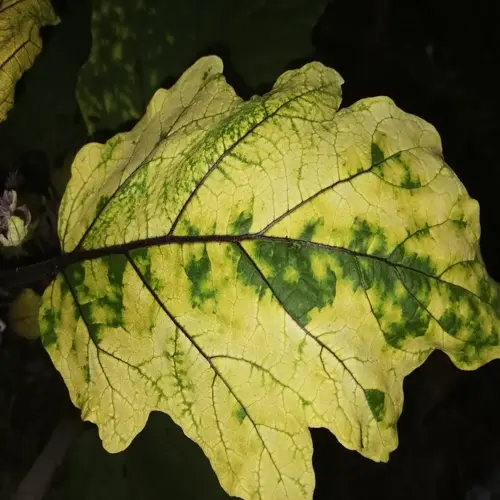
The most common real killer is too much water. When your soil stays soggy and drains poorly, the roots and crown start to rot from the bottom up. Autumn fern yellowing is the first warning sign you will see. It almost always means your plant is drinking more than it can handle, so ease off the watering before you try anything else. Stick a finger in the dirt, and if it feels wet, hold off on the hose.
Other causes look different and need the opposite fix. Brown, crispy tips on the fronds point to soil that has gone too dry or a spot that gets too much direct sun. Autumn ferns want shade or dappled light. A plant baking in hot afternoon sun will scorch even when you water it on schedule. Reading the symptom first tells you which way to adjust, because watering a sun-burned fern more will not help it at all.
A mushy, soft crown at the base is the worst sign. This is fern root rot, and it happens when constant moisture lets fungus attack the roots and the center of your plant. Squeeze the base near the soil line. If it feels slimy or falls apart in your fingers, rot has set in. You need to act fast to save what is left, because rot spreads through the crown in days, not weeks.
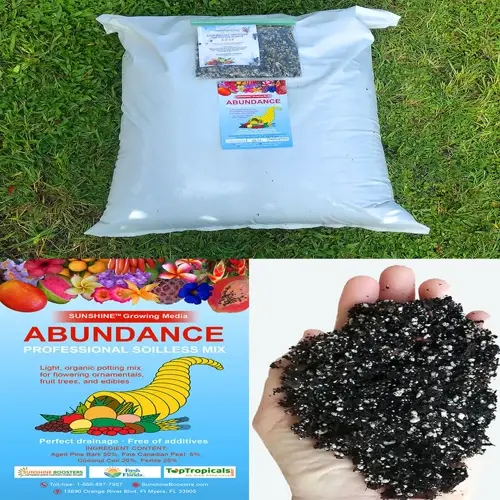
To beat fern root rot, dig your plant up and shake off the wet soil. Trim away any black, mushy roots and rotted fronds with clean scissors so the disease cannot spread. Replant it in a looser, faster-draining mix with some compost or grit worked in. Set it somewhere shadier, and water only when the top inch of soil feels dry to your touch. Raised beds and a handful of perlite help if your ground holds water.
One last thing trips up a lot of people. In colder zones, your autumn fern dies back to the ground over winter and looks completely dead by January. That brown, flat clump is not gone. It is just dormant, so seasonal die-back is not the same as an autumn fern dying for good. Wait until spring before you dig it out, because fresh fronds often push up from the crown once the weather warms. Give it until May before you give up. Patience saves more ferns than any spray ever will.
Read the full article: Autumn Fern: Complete Care and Growing Guide