Herb · Apiaceae
Anise
Pimpinella anisum
Sow it once, leave the taproot undisturbed, and a long warm summer turns this kitchen-garden herb into fragrant seed.
Full sun
Every 3–7 days
50–86°F · 10–30°C
100–120 days
Overview
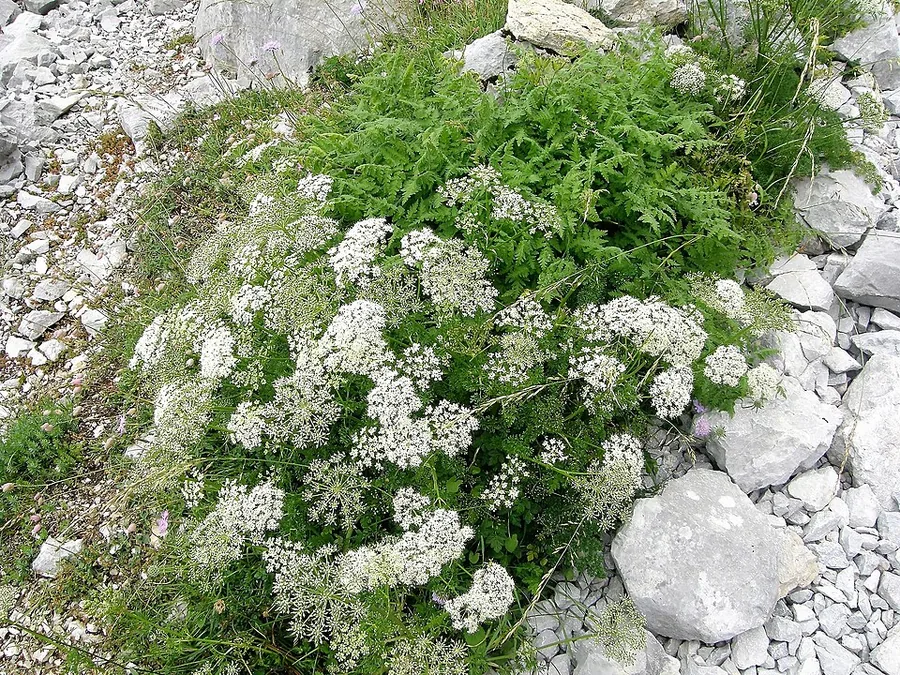
Anise is the quiet author of that warm, licorice-sweet note running through favorite breads and after-dinner liqueurs, and it earns a place in the kitchen garden as a soft annual among dill and fennel. Its story begins in the eastern Mediterranean and the Levant, where unhurried, sun-soaked seasons set its rhythm. The prize is the seed, the aniseed of the spice shelf, with the lacy young leaves a welcome bonus for the cook.
It keeps a graceful, modest scale at 18 to 24 inches (45 to 60 cm), slipping easily into a border edge, a raised bed, or a sunny herb corner near the back door. Flat white flower heads arrive in mid-summer, and as the season eases on, the seed dries to a soft gray-brown that signals the harvest. Pass by on a warm evening and the planting answers with its unmistakable scent.
The one thing it asks is to stay where it is put. A deep taproot dislikes any disturbance, so anise is sown in its final position and left to settle into the daily life of the garden. Offer it sun, warmth, and a long enough season, and it folds into the routine of a home plot with remarkable ease.
Care
The short version: a sunny spot, light well-drained soil, and steady moisture as it settles in. Sow the seed straight into the garden after frost, feed it lightly, and let a long warm season carry the seed to harvest.
Light
Anise asks for full sun, and the brighter the position the better it performs. An open, sunlit spot ripens the seed and keeps the soft stems poised, while a shaded corner leaves weak plants and a slender harvest.
Water
Keep the soil evenly moist while the seed germinates and through any dry spell. Once settled, the plant takes brief dry stretches in stride, but standing water rots the roots, so let well-drained ground do the quiet work.
Soil
Choose light, well-drained loam enriched with a little compost. A pH between 6.0 and 7.0, leaning neutral, suits it well, and open ground gives the taproot a clear path straight down.
Temperature
Anise is content across 50°F to 86°F (10°C to 30°C) and favors the warmer end. It wants a long, mild stretch to ripen seed, so cold, short summers leave the crop green and unfinished.
Humidity
Ordinary outdoor humidity around 40% to 60% is ample, and it is hardly a figure to fuss over. Good airflow matters far more, since crowded, damp foliage invites aphids and rot into the planting.
Feeding
Anise is a light feeder, so work a little compost or balanced fertilizer into the bed once before sowing and leave it there. Too much nitrogen brings on soft, floppy stems that lean as the seed heads fill.
Pruning
Little is asked of you. A single pinch of young plants encourages a fuller shape, but never transplant, since the taproot resents the disturbance. Leave the flower heads in place so the seed can ripen.
Repotting
Anise is no container plant. It is direct-sown as an annual and lives in the open ground, so there is no repotting and no roots to coil. Sow it in its final spot and let it see the season through.
Size & spacing
Plants rise to 18 to 24 inches (45 to 60 cm) with a slim spread of 8 to 12 inches (20 to 30 cm). Allow each that much room in the bed, or sow in a close block so the stems lean on one another for support.
When to plant
Anise keeps to the garden's warm season, waiting for the last frost to pass and the soil to warm before it goes in. Sow it in place in late spring, watch for white flower heads in mid-summer, and gather the seed once it dries to gray-brown in late summer or fall.
Northern hemisphere
Southern hemisphere
Typical months for a temperate climate: start earlier in warm zones, later where spring frosts linger.
- Sow: Generally avoided; the taproot resents transplanting, so direct sowing is preferred
- Plant: After the last frost once soil is warm (about 60°F); needs roughly 120 frost-free days to ripen seed
- Harvest: White flower umbels appear in mid-summer; harvest seed when ripe and gray-brown in late summer to fall
Hardiness
USDA hardiness zones: 4–11
Temperature: down to -34°C
Troubleshooting
Anise asks little and seldom disappoints, though a few moments call for a gardener's attention. Most show on the foliage or the seed heads, and most trace to a season cut short or soil grown too rich. Match what you notice below and step in while it is easy to set right.
Seed unfinished as the season closes
A short or cool season is the usual culprit when the heads stay soft and green, since anise wants a long warm summer to bring its harvest home. Plant it early, as soon as frost allows, and give it the warmest, sunniest corner of the garden. When the weather turns against you, a row cover quietly restores some of the warmth a cool summer takes.
Fix:
- Plant as early as safely possible after last frost
- Grow in the warmest, sunniest available site
- Use row covers to extend warmth
Sticky residue dulling the feathery foliage
The clusters dimming that pretty foliage are aphids, and the tacky film they leave is honeydew. Lift a few leaves to find the colonies sheltering beneath, then send them off with a firm spray of water. Should they drift back to your border, insecticidal soap restores order, and a lighter hand with nitrogen keeps the planting looking its best.
Fix:
- Dislodge with a strong jet of water
- Apply insecticidal soap if needed
Stems leaning as the seed heads mature
When the planting loses its upright poise, that is lodging, the moment top-heavy heads meet a passing breeze. Rich soil and tight quarters only encourage the soft, leggy growth that gives way. A few discreet stakes hold the line, or a closely sown block lets the plants steady one another and keep their composure.
Fix:
- Provide light staking or grow in blocks for mutual support
Toxicity
Reassurance comes easily here: anise is a culinary herb, at home around pets, livestock, and the whole household. It is absent from the ASPCA's toxic list, and the seed even earns its keep luring and rewarding dogs in training. Only the concentrated essential oil asks for care, so keep that tucked safely away. Worth noting, this is true anise, not the unrelated star anise.
Safe for
People · Cats · Dogs · Horses · Rabbits · Livestock · Birds
Cats Safe
A household cat can share the garden with anise in comfort, since the ASPCA does not list it among plants toxic to cats. A taste of the feathery leaves does no harm, though a cat that overindulges in any new green may feel briefly out of sorts.
Dogs Safe
Anise suits a dog-friendly home, and the seed has a charming second life as a scent reward in training. A curious chew on the plant carries no risk at all.
Horses Safe
Horses can graze beside anise in peace. It holds none of the toxins that make certain garden plants a worry around livestock.
Rabbits Safe
A rabbit may sample the lacy foliage without consequence. As with any treat, keep the helping small and present it alongside the usual hay and greens.
Livestock Safe
Cattle, goats, and sheep can keep company with anise safely, and the herb carries a long pastoral history as fodder and a flavoring for milk.
Birds Safe
The seed and foliage do birds no harm, and many will visit to peck the ripe heads, lending the garden a little life.
People Safe
Anise is a kitchen companion through and through. Its leaves and seed flavor everything from bread to liqueurs, and only the concentrated essential oil asks for a measured hand.
Foliage and seed are non-toxic, but concentrated anise essential oil should still be kept away from pets.
Varieties
There is little to deliberate over with anise. It is grown almost entirely as the plain species, so the only real decision is confirming you have brought home the right plant.
Common anise (species type)
Nearly every garden anise is simply the plain unimproved species, since named cultivars are scarce, and the one thing worth confirming is that it is never the unrelated star anise.
How to propagate
Anise begins and ends with seed, sown in the very spot it will grow. The art of it lies in timing the sowing to the warm soil it favors and letting the seedlings be once they appear.
SeedModerate
Direct sow after the last frost once soil has warmed · Germinates in about 1 to 2 weeks; reaches seed maturity in roughly 100 to 120 days
Anise begins from seed alone, and it asks to be sown in its chosen place, because the taproot does not care to be moved. Once frost has passed and the soil has warmed, settle the seed where it will stay, and the first sprouts arrive within 1 to 2 weeks. An overnight soak coaxes them along a touch sooner. From there the plant takes 100 to 120 days to bring its seed to ripeness, which makes an early start well worth the planning.
Myths
Anise and star anise are the same spice.
The kinship is one of flavor alone, owed to a shared compound called anethole. True anise is Pimpinella anisum in the carrot family, a soft annual herb, while star anise is Illicium verum, a woody tree from an entirely separate family. The two are not interchangeable plants.
Anise transplants as easily as most herbs.
Anise sends down a deep taproot that objects to being moved, and a disturbed seedling tends to sulk or fade. Sow the seed in the place it will spend the season rather than raising it in cells to shift along later.