Houseplant · Arecaceae
Bamboo Palm
Chamaedorea seifrizii
Set it in bright indirect light and water it clean, and the bamboo palm dresses a quiet corner in soft, feathery green.
Medium indirect
61–81°F · 16–27°C
USDA 10–11
3–10 ft · 0.9–3 m
Overview
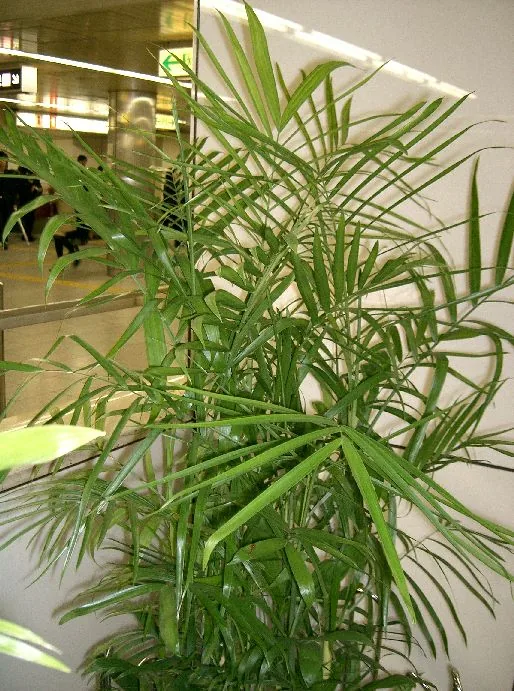
The bamboo palm takes its name from slender, jointed canes that read like bamboo yet belong squarely to the palm family. It is a clumping palm out of the forests of Mexico and Central America, raised in the gentle shade beneath taller trees. That upbringing is exactly why it slips so easily into a home, content in the medium light that most rooms already have to give.
Its appeal is the relaxed, tropical mood it brings to a space. A cluster of upright stems lifts arching fronds into a soft, living screen, the kind that warms an empty corner or stands in for a fire through the summer months. Growth comes slowly and stays in scale indoors, settling somewhere between 3 to 10 feet (91 cm to 3 m) over years rather than seasons.
Day to day it asks for very little: steady moisture, a comfortable level of humidity, and water free of fluoride and salts. Keep to that and a few brown tips are usually the worst of it. This is a forgiving palm for a first-time plant owner, which is why it earns a place on so many shortlists of easygoing greenery for the home.
Care
The short version: medium, indirect light in a spot shielded from harsh afternoon sun. Keep the mix lightly moist yet never soggy, reach for distilled water or rainwater to keep the tips clean, and offer a few light feedings across the warm season.
Light
Place it in medium, indirect light, the gentle glow a few steps back from a bright window. It tolerates low light and partial shade more gracefully than most palms, yet keep it clear of direct afternoon sun, which leaves the fronds scorched.
Water
Hold the mix lightly moist but never waterlogged, watering once the surface has dried and emptying anything that lingers in the saucer. Water left standing invites root and stem rot. The tips react to fluoride and salts, so lean on distilled water or rainwater whenever you can.
Soil
Pot it into a well-drained potting mix that keeps a touch of moisture without turning to mud. Drainage is what matters most, since the roots rot in soil that stays heavy and wet.
Temperature
Ordinary room warmth suits it best, roughly 61°F to 81°F (16°C to 27°C). Hold it above the low 60s through winter and keep it clear of cold drafts and chilly window glass.
Humidity
Average household air is fine, though it favors moderate to high humidity and rewards a little extra. Dry winter air is the usual cause of brown tips, so cluster it with other plants or move it well away from heat vents.
Feeding
Through the warm growing season, offer a slow-release palm fertilizer, one that lets nitrogen, potassium, and magnesium out gradually. Two or three gentle feedings across spring and summer cover it, and a heavier hand only risks burning the tips.
Pruning
Cut away dead or damaged fronds and any spent canes flush at the base. Each stem rises from a single central tip, so never take the crown or growing point, or that whole cane is lost.
Repotting
Move it on every 2 to 3 years, or sooner once roots ring the pot or slip through the drainage holes and the soil drains in a hurry. Step up just one size, since this palm is happy to sit a touch snug.
Size & spacing
Indoors it rises slowly to roughly 3 and 10 feet (91 cm to 3 m) tall, the clump fanning out 3 to 6 feet (91 to 183 cm) wide. Leave it breathing room so air can pass through the canes and the fronds are not pressed flat against a wall.
Troubleshooting
A contented bamboo palm largely looks after itself, so when something is off the fronds usually tell the story first. Crisp brown tips and a faded, speckled cast are the two complaints you are most likely to encounter, and each becomes obvious once you know the signs. Find the matching symptom below and treat the cause, rather than reaching straight for the scissors.
A dusty, faded look settling over the canopy
When a room runs warm and dry, spider mites tend to move in, and the first sign is foliage that looks tired and lightly veiled in webbing. Turn a frond over and watch for minute specks on the move, or hold it above a sheet of white paper and tap to see what drops. Give the whole plant a firm rinse, lift the humidity in its corner, and follow up with insecticidal soap or horticultural oil until they clear.
Fix:
- Rinse foliage with a strong stream of water, including undersides
- Raise humidity around the plant
- Treat with insecticidal soap or horticultural oil, repeating as directed
Crisp brown edges where the fronds meet the room
More often than not this points to salt and fluoride collecting in the soil from ordinary tap water rather than anything you did at the watering can. The dryness shows on the oldest fronds first, tips going crisp while the heart of the leaf holds its color, and a chalky film tends to settle on the soil and the rim of the pot. Run distilled water or rainwater through the pot to clear the buildup, make that your go-to from then on, and lighten the feeding.
Fix:
- Flush the pot thoroughly with distilled water or rainwater to leach salts
- Switch to distilled water or rainwater for routine watering
- Raise local humidity and avoid placing near heat vents
- Reduce fertilizer rate and frequency
Toxicity
Welcome news for any home with pets or young children: the bamboo palm is a safe choice. The ASPCA lists it as non-toxic to cats, dogs, and horses, and nothing in the plant threatens other animals either. A stray chewed frond might leave a little stomach upset from the fiber, but it poisons no one.
Safe for
People · Cats · Dogs · Horses · Rabbits · Livestock · Birds
Cats None
With the ASPCA naming this palm non-toxic to cats, an inquisitive nibble does no real harm. A cat that overdoes the fibrous fronds may bring them back up, but that is the roughage at work, not poison.
Dogs None
The same non-toxic listing keeps dogs safe as well. About the most a chewed frond will do is leave a dog with a brief, mild upset stomach from the fiber.
Horses None
Nothing in the plant threatens horses, and it is listed as safe for them. The small leaves make it an unlikely target to begin with.
Rabbits None
A rabbit faces no poison in these fronds. The wiry, stringy leaves hold little appeal as food, so most rabbits pass them by rather than graze.
Livestock None
There is no poisoning risk for grazing animals from this palm. Kept indoors as a tropical, it seldom reaches them, and an odd stray leaf carries no toxins.
Birds None
A pet bird can sit among the fronds quite safely, as the plant holds nothing toxic to them. A pecked leaf tip is no cause for concern.
People None
There is no poisoning hazard to children or adults here. It is not meant for eating, yet a leaf that ends up in a small mouth does no damage.
How to propagate
You can make more bamboo palm by separating an established clump or by sowing fresh seed, though neither route is quick. Both reward patience over any special know-how.
DivisionModerate
Spring to early summer during active growth · Several weeks to a few months to root and resume growth
Since this palm grows in a clump, an established specimen can be parted by lifting away basal suckers that have already formed roots of their own. Choose spring or early summer while it is in active growth, and allow each new piece several weeks to a few months to settle and pick up growing again.
SeedModerate
When fresh ripe seed is available; warm conditions · Germination is slow and may take several weeks to months
Seed is an option when you have fresh ripe seed to hand. Set it into warm, moist, well-drained media and expect to wait, as sprouting comes slowly and unevenly over several weeks to months.
Myths
The plant sold as bamboo palm is really a type of bamboo.
Despite the name, there is no bamboo involved. The jointed, cane-like stems simply echo the look, but this is a clustering palm in the Arecaceae family. True bamboos sit in the grass family and share no relation.
Anything labeled bamboo palm must be one and the same species.
The label travels across more than one palm. Chamaedorea seifrizii, the parlor palm Chamaedorea elegans, and the areca palm Dypsis lutescens are all sold under it, even though each is its own plant with a different way of growing.