Ornamental · Poaceae
Blue Oat Grass
Helictotrichon sempervirens
Set in full sun and lean, dry soil, blue oat grass lends a sunny garden a cool, steel-blue poise all year.
Full sun
Every 7–14 days
USDA 4–8
18–30 in · 46–76 cm
Overview
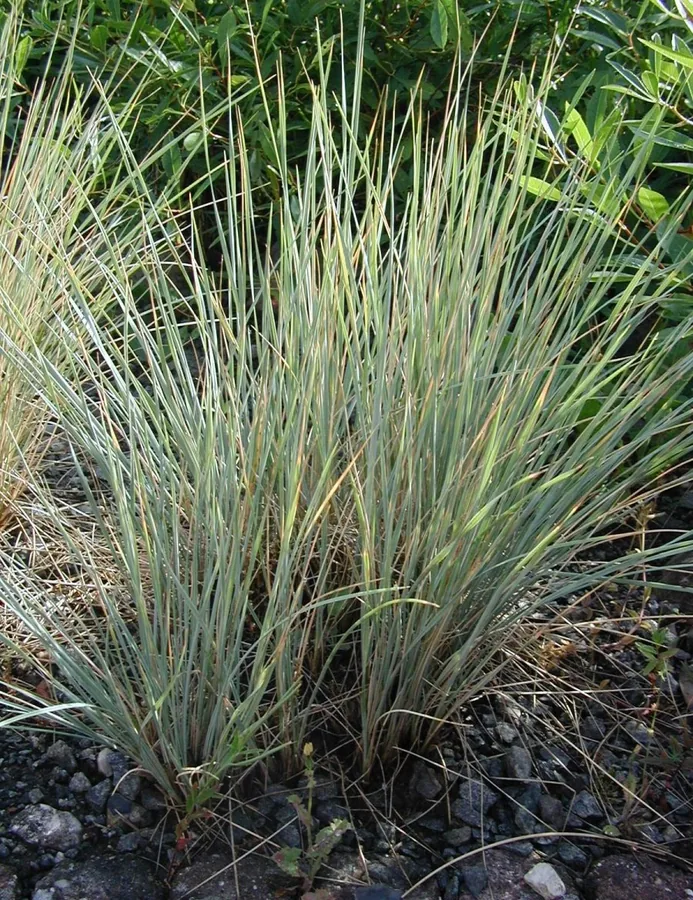
Blue oat grass is the quiet anchor a sunny garden has been waiting for. It settles into a rounded clump of fine steel-blue blades that hold their cool tone through the seasons, an evergreen note in mild winters that keeps a border from looking bare. At 18 to 30 inches (46 to 76 cm) across, the mound keeps its upright, fountain shape without staking, a tidy silhouette that reads well beside paving, gravel, or a clean modern edge.
By early summer, slender stems lift oat-like, straw-colored panicles above the leaves, a soft, airy layer that catches low light and sways at the gentlest breeze. It grows slowly and lives for years, hardy through USDA zones 4 to 8, so it becomes a fixture rather than a season's fling, settling into the rhythm of a garden you walk past every day.
The look it rewards is the effortless one. Lean, dry soil and full sun give the tightest mound and the truest blue, while pampering with rich ground and shade leaves it flopping and green. Restraint is the whole aesthetic here, which makes it a natural for a low-water gravel scheme, a sunny courtyard, or a pared-back planting that prizes form over fuss.
Care
The short version: a sunny spot and lean, sharply drained soil, almost no feeding, and water only through a long dry spell once it's established. A single cut close to the ground in late winter is all the upkeep the look asks of you.
Light
Blue oat grass wants full sun, the kind that opens up a south-facing border or a bright courtyard. A little light shade is tolerated, but anything deeper loosens the form and dulls the blue, and that cool, architectural look is the whole reason to plant it.
Water
Once settled it is very drought-tolerant, content on dry to medium soil and asking for water only every 7 to 14 days through a genuine dry spell, which suits a low-maintenance, low-water scheme. Standing moisture is its undoing, so keep it on the dry side and away from soggy corners.
Soil
Plant it in lean, sharply drained soil for the truest blue and the crispest shape. It is at home on poor, dry, even gravelly ground, happy across a pH from 6.0 to 7.5, which makes it a natural partner for a gravel garden. Rich soil only softens the silhouette into something loose and floppy.
Temperature
It takes a wide swing in its stride, from -29°F to 100°F (-34°C to 38°C), so it holds its place through a hard winter and a hot summer alike. Cold to zone 4 is no concern, and in the heat the watch-point is the humidity that comes with it rather than the warmth.
Humidity
It prefers the dry side and bristles in muggy air, which can spoil the look with rust on the blades and rot at the base. Open spacing and good airflow matter far more than any reading, so give it room to breathe within the planting.
Feeding
Feed it little to nothing and the form stays sharp. A clump in lean soil keeps its tight shape and best blue, while a spring feed or rich ground coaxes out the soft, green, floppy growth that breaks the clean line you planted it for.
Pruning
The single yearly gesture is to cut the whole clump back close to the ground in late winter or early spring before new growth starts, a quick reset that keeps the mound looking deliberate. Through the season, a hand comb or rake through the tattered old blades keeps it presentable.
Repotting
Blue oat grass resents disturbance and rarely needs lifting, which suits a settled, low-fuss border. Divide in spring only if the center dies out or another plant is wanted, and otherwise let an established clump hold its place for years.
Size & spacing
A mature clump stands 18 to 30 inches (46 to 76 cm) tall and spreads about 24 to 30 inches (61 to 76 cm) wide, an easy module to repeat along a path or bed. Space plants to that width so air moves between them and the foliage stays dry.
When to plant
Blue oat grass joins the garden as a plant rather than a seasonal sowing. Set new plants out in spring once frost has passed, look for the oat-like flower stems in early summer around June, and fold its one yearly cut into the late-winter tidy-up before fresh growth begins.
Northern hemisphere
Southern hemisphere
Typical months for a temperate climate: start earlier in warm zones, later where spring frosts linger.
- Sow: Late winter to early spring
- Plant: Spring after last frost
- Harvest: Early summer (June); oat-like straw-colored panicles rise above the foliage
Hardiness
USDA hardiness zones: 4–8
Temperature: down to -34°C
Troubleshooting
Kept lean and sunny, this grass asks very little and seldom falters, and the rare slip usually traces to too much water or too little light. A glance at the blades and the base of the clump catches the early signs, and a small change of setting restores the composure before rot or rust unsettles the look.
Soft brown rot collapsing the clump's heart
Wet, heavy soil resting against the crown over winter brings on crown and root rot, and once the base turns soft and brown there is no reviving the clump. Drainage is the answer. Reset the plant into a raised, gritty bed, clear any sodden mulch heaped at the crown, and never let it stand in water, so the planting keeps its footing.
Fix:
- Improve drainage or replant in a raised, gritty, sharply drained bed
- Reduce watering and cut off wet, mulch-heavy material at the crown
- Remove severely rotted plants
Powdery orange flecks smudging across the blades
Orange, powdery marks that smudge at a touch are foliar rust, a fungus that takes hold in warm, humid weather and where plants stand too close. Clip away the marked blades, open the clump so air can move through, and water at the base rather than over the top. In a muggy climate, the Sapphire selection keeps its composure against rust far better than the plain species.
Fix:
- Remove and discard affected foliage
- Improve air circulation by spacing and thinning
- Avoid wetting the foliage; water at the base
- Grow rust-resistant cultivars such as Saphirsprudel/Sapphire in humid regions
Floppy growth and a fading blue color
A mound that splays open and drifts from steel-blue toward green is simply in the wrong setting, calling for lean soil and full sun. Shade and rich, watered ground draw out soft, lax growth that loses the line. Move it somewhere sunnier, hold back the feed and water, and shear it down so it returns tighter and bluer.
Fix:
- Move or replant in full sun
- Reduce fertilizer and water; grow in leaner, drier soil
- Cut back to tidy the clump and let it regrow firmer
Toxicity
Blue oat grass sits easily in a home with pets, livestock, and children. The ASPCA does not list it as poisonous, and there is no toxin in its leaves or roots. The only footnote worth keeping in mind is grass pollen, which can bother anyone prone to hay fever.
Safe for
People · Cats · Dogs · Horses · Rabbits · Livestock · Birds
Cats Safe
Blue oat grass isn't poisonous to cats, so a curious nibble does no harm. A cat that takes in a big mouthful of blades may bring it back up, the same as with any grass.
Dogs Safe
Nothing in this grass will poison a dog. A lot of chewing can bring on a little vomiting, but that is the roughage at work rather than a toxin.
Horses Safe
It is safe to have around horses, who tend to overlook the wiry blue blades in favor of softer pasture grass.
Rabbits Safe
A rabbit nibbling at the clump comes to no harm, and in practice the coarse, stiff blades rarely tempt one away from softer, more tender greens.
Livestock Safe
Cattle, goats, and sheep face no poisoning from blue oat grass. It is an ornamental clump rather than a forage crop, so they take little real feed from it.
Birds Safe
It is harmless to birds, which often draw thin strands from the clump for nest building in spring.
People Safe
The plant is non-poisonous and safe to handle. The one thing worth knowing is that grass pollen can set off hay fever in people prone to seasonal allergies.
Grass pollen can trigger seasonal allergies in sensitive people; pets that nibble grass blades may vomit, but the plant is not poisonous.
Varieties
Named blue oat grasses are few, but in a humid garden the choice between the species and its finest selection shapes how reliably the planting holds its poise.
Saphirsprudel (Sapphire)
A German selection prized for a deeper blue than the species and a steadier showing through rust, heat, and humid summers, which keeps a planting looking intentional in trickier climates.
Species (Helictotrichon sempervirens)
The plain species forms a steel-blue mound of 18 to 30 inches (46 to 76 cm) finished in summer with oat-like, straw-colored panicles that arch lightly above the foliage.
How to propagate
More of this cool blue is yours by splitting an old clump or sowing seed, though it bulks up slowly and prefers to be left in place once it has found its spot.
DivisionModerate
Spring · One growing season
Because it would rather stay put, divide blue oat grass only when an old clump begins to thin or you want to carry the look to another bed. Do the lifting in spring, and the divisions settle in and fill out across a single growing season.
SeedModerate
Late winter to spring · One to two growing seasons
The species also grows from seed sown in late winter or spring, with a young plant taking one to two seasons to reach full size. Named selections like Saphirsprudel won't come true from seed, so division is the way to repeat that exact tone elsewhere.
Myths
Blue fescue is simply another name for blue oat grass.
They share a cool blue tone and not a great deal more. Blue oat grass is the larger and longer-lived of the two, building an 18 to 30 inch (46 to 76 cm) clump crowned with arching, oat-like flower stems that give a border real presence. Blue fescue stays a small 8 to 12 inch (20 to 30 cm) tuft that hollows in the middle and needs splitting every couple of years to keep its shape.