Herb · Rosaceae
Salad Burnet
Sanguisorba minor
A quiet cottage-garden classic, salad burnet earns its place in a sunny herb bed or a kitchen windowsill pot, ready to cool a summer table.
Full sun
Every 5–10 days
50–77°F · 10–25°C
60–100 days
Overview
Salad burnet is one of those understated herbs that quietly makes a garden feel established. A hardy perennial from the rose family, it settles into a low, evergreen rosette that keeps a herb bed looking furnished right through much of the year, even holding its poise in a mild winter. Its calling card is the cool cucumber note its young leaves bring to a summer table, from crisp salads to infused vinegars to a pitcher of something cold.
It suits the low-maintenance, sun-loving corner of a garden beautifully. Happy on lean, dry, rocky ground where more demanding herbs falter, it asks almost nothing once established, which makes it a natural for a gravel garden, a potager edge, or a terracotta pot on a hot patio. Resist the urge to pamper it, since rich soil trades away the very flavor that earns it a spot by the kitchen door.
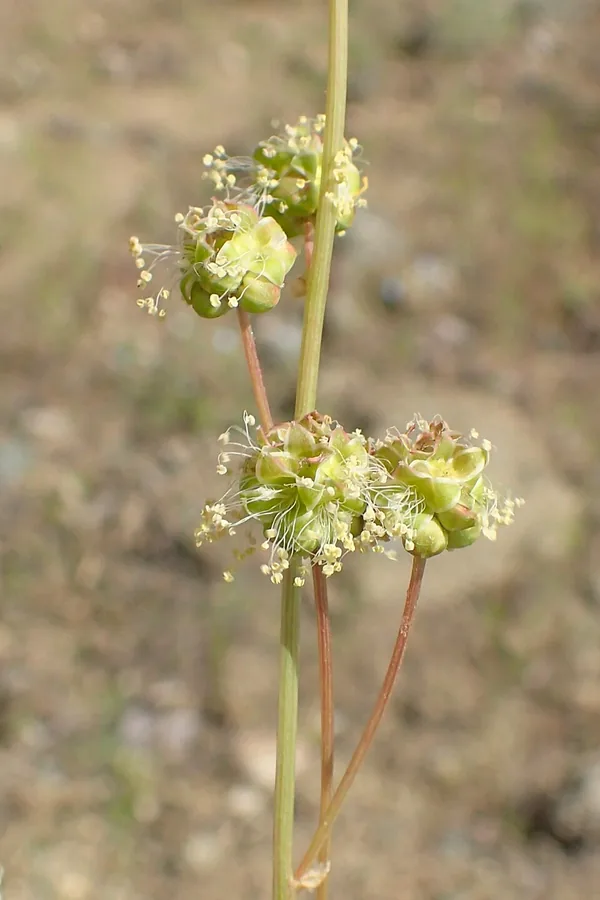
The rhythm of growing it fits neatly into a cook's routine. Left alone, it sends up pinkish flower heads and the older leaves lose their charm at the table, so a quick pass with the scissors keeps both the planting tidy and the harvest tender. That small ritual rewards you with fresh, mild leaves to pick whenever a dish calls for them.
Care
The short version: a sunny spot and lean, well-drained soil, with a little water only while it establishes. Keep the feeding light, trim the flower stalks as they rise, and gather the young leaves often to keep them at their most elegant on the plate.
Light
Give it full sun and it looks its best, though it accepts partial sun or light shade without complaint. A bright, open spot keeps the rosette neat and the leaves worth picking, while a shaded corner leaves it loose, drawn, and prone to mildew, none of it a good look in the bed.
Water
Water new plants attentively while they find their feet, then step back, because established salad burnet is genuinely drought tolerant and slots into a low-water planting with ease. Let the upper half of the root zone dry between drinks, and never let it stand in wet ground, which spoils both the plant and the display.
Soil
Plant it in lean, well-drained soil and it thrives on the neglect. It takes to the dry, rocky, alkaline corners that defeat showier herbs, across a pH of 6.0 to 7.8, so a gravelly bed or a sharp-draining pot suits it perfectly. Rich, heavy ground works against it, muddying the flavor and holding water it would rather do without.
Temperature
It favors mild conditions, roughly 50°F to 77°F (10°C to 25°C). A hardy perennial at heart, it carries winter cold gracefully and often keeps its green through the quieter seasons, holding a bed together when little else does.
Humidity
Everyday humidity of 40% to 60% suits it, and outdoors it is a non-issue. Airflow does the real work, so give it an open, breezy position rather than a stuffy pocket where powdery mildew can settle in.
Feeding
A light touch is the elegant approach. One modest balanced or low-nitrogen feed in spring is ample, and even that can be skipped, since rich soil blunts the flavor. Overfeeding buys you soft, bland leaves in place of the crisp, cool taste that makes the herb worth having.
Pruning
Snip the flower stalks away as they rise to keep the foliage tender and the flavor delicate. A trim of the tired outer leaves does the same, and the plant responds with a fresh, presentable flush of growth.
Repotting
In a container, refresh it every 1 to 2 years. Roots circling the pot, growth that stalls, and soil that drains almost the moment you water all signal it has outgrown its home and would welcome a larger pot and fresh compost.
Size & spacing
This is a compact, well-behaved plant, reaching 12 to 24 inches (30 to 60 cm) tall and 12 to 18 inches (30 to 45 cm) across, ideal for edging or the front of a border. Allow each one that footprint so air moves freely and the planting stays healthy.
When to plant
As a cold-hardy herb for zones 4 through 8, salad burnet belongs to the early part of the gardening year. Sow indoors 6 to 8 weeks before the last frost or scatter seed outdoors in early spring, and the bed rewards you with pickings from spring right through to autumn.
Northern hemisphere
Southern hemisphere
Typical months for a temperate climate: start earlier in warm zones, later where spring frosts linger.
- Sow: 6 to 8 weeks before last spring frost
- Plant: After last spring frost, or direct sow in early spring
- Harvest: Harvest young leaves spring through fall; pinkish flower heads appear late spring to midsummer (May to July)
Hardiness
USDA hardiness zones: 4–8
Temperature: down to -34°C
Troubleshooting
A well-placed salad burnet gives little trouble, and what does go wrong nearly always comes down to soggy soil or stale, crowded air. A glance at the leaves and roots, matched to the notes below, is usually all it takes to set things right before the planting suffers.
Yellowing, wilting, and collapse in ground that stays wet
Persistently wet soil invites root rot, and salad burnet has no tolerance for it. The roots turn soft, dark, and mushy, and a plant that far gone is past saving. Cut back the watering, improve the drainage, and give any survivors a fresh start in a raised bed or a gritty, quick-draining mix.
Fix:
- Improve drainage
- Reduce watering
- Replant in well-drained or raised beds
A dull white bloom settling over the leaves
This is powdery mildew, a fungus that moves in wherever the air stagnates and plants sit crowded in humid shade. Open up the planting for better airflow, take off the worst-affected leaves, and give it a full-sun position, which the fungus finds far less hospitable.
Fix:
- Improve spacing and air flow
- Remove affected foliage
- Site plant in full sun
Leaves turn coarse and bitter and lose their cucumber freshness
The culprit is bolting. As the plant runs to flower, its older leaves coarsen into large, leathery foliage and give up the cool cucumber note that earns them a place on the plate. Cut the flower stems away as they appear, take only the young inner leaves, and shear the plant back to bring on a tender new flush.
Fix:
- Cut off developing flower stalks
- Harvest only young inner leaves
- Cut the plant back to force a flush of tender new growth
Toxicity
This is a herb to plant with an easy conscience in a family garden. Salad burnet is thoroughly edible and free of anything toxic, its young leaves a raw kitchen staple, and it poses no risk to cats, dogs, horses, rabbits, livestock, or birds sharing the space.
Safe for
People · Cats · Dogs · Horses · Rabbits · Livestock · Birds
Cats None
Cats are safe in its company, and a curious nibble of the soft leaves does them no harm.
Dogs None
Dogs are equally untroubled, and a mouthful of the foliage passes without any consequence.
Horses Safe
Horses can graze it freely, as nothing in the plant is poisonous to them.
Rabbits Safe
For rabbits, the tender leaves make a gentle, harmless nibble in modest amounts.
Livestock Safe
Cattle, goats, and sheep may graze it safely, and its larger fodder cousin was once grown for feed.
Birds Safe
Backyard poultry and wild birds take no harm from a peck at the leaves or seeds.
People Safe
For people, the young leaves are a salad green, eaten raw for their mild, cucumber-cool taste.
Leaves and young growth are commonly eaten by people in salads; no special handling precautions are required.
Varieties
Salad burnet keeps a short guest list rather than a catalog of cultivars, though two forms are worth telling apart for the garden.
Sanguisorba minor subsp. muricata
Known as fodder burnet, this is the larger, sturdier form, once grown across fields as forage and a cover crop.
Sanguisorba minor (species type)
The species type keeps a neat evergreen rosette of fine toothed leaflets and is the one prized for the mild cucumber flavor it lends a salad.
Companions
Salad burnet sits happily beside herbs that share its taste for sun and lean soil, and does worst next to vigorous spreaders that swamp its low rosette.
How to propagate
Filling out a border or a row of pots is easy, whether you begin with a packet of seed or lift and split a clump already earning its keep.
SeedEasy
Early spring, indoors 6 to 8 weeks before last frost or direct sown · Germinates in about 1 to 2 weeks; harvestable within 8 to 10 weeks
Seed is the usual starting point, and the simplest. Sow indoors 6 to 8 weeks before the last frost or scatter it straight into the ground in early spring, and seedlings appear in about 1 to 2 weeks. Leaves are ready to gather within 8 to 10 weeks, and a few flower heads left to ripen will let the plant seed itself gently through the garden.
DivisionEasy
Spring or early fall · A few weeks to re-root and resume growth
An established clump lifts and divides without ceremony in spring or early fall. Ease the whole plant out, part it into rooted sections, and settle the divisions back in without delay so they re-root and pick up again over a few weeks.
Myths
Salad burnet is merely the medicinal great burnet by another name.
In truth they are two separate species. Salad burnet (Sanguisorba minor) is the refined culinary herb, while great burnet (Sanguisorba officinalis) is the taller plant, crowned with deep red flower heads and carrying its own history in the medicine chest. Check the botanical name on the label, as the pair are easily confused.
Older leaves are just as good on the plate as the young ones.
Not so. The cool cucumber flavor lives in the youngest growth, and the leaves coarsen and turn bitter as they mature. Pick little and often, always the young leaves, to keep the flavor at its most refined.