Herb · Lamiaceae
Thyme
Thymus vulgaris
A pot of thyme on a sun-warmed windowsill brings the kitchen a quiet Mediterranean ease.
Full sun
Every 7–14 days
USDA 5–9
6–12 in · 15–30 cm
Overview
Thyme carries a little of the Mediterranean into the home, the kind of herb that looks at ease on a sunny kitchen sill or tucked among terracotta on a doorstep. A low, woody perennial from the mint family, it returns each spring and asks for almost nothing beyond good light and sharp drainage. Its appeal is understated, the sort of green that settles a space rather than shouts in it.
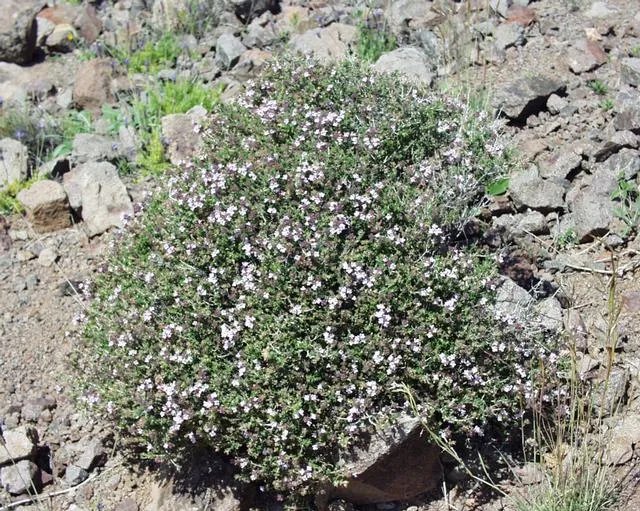
It stays modest in scale, rising just 6 to 12 inches (15 to 30 cm) into a soft mound that suits a small pot, a herb trough, or the front of a border. In early summer it lifts a haze of tiny pink to lilac flowers that pull in bees, giving a patio or balcony a gentle hum. Snip sprigs into the evening's cooking whenever the mood strikes, and note that the flavor sits at its peak just before those flowers open.
What makes thyme such an easy companion for daily life is how little it demands. It prefers lean, gritty soil and a dry spell between waterings, so it slots neatly into a busy routine where the odd missed watering does no harm. Keep it a touch lean and it stays fragrant and full of character, ready by the stove and happy on the sill.
Care
The short version: set thyme in full sun with lean, fast-draining soil, and water only once the top half has dried. It takes drought in stride, wants little feeding, and asks for one yearly trim to keep its tidy, rounded shape.
Light
Give thyme full sun, at least six hours of direct light a day, which means the brightest sill or the sunniest corner of the terrace. That light is what carries its flavor, so while it will manage a little partial sun, real shade leaves it leggy and dull.
Water
Let the top half of the soil dry before watering again, roughly every 7 to 14 days, an easy rhythm to fold into a weekly routine. Once settled it is genuinely drought-tolerant, and it far prefers a dry spell to soggy ground, which quickly turns to root rot.
Soil
Plant it in well-draining sandy or gravelly loam, and lean beats rich every time. Thyme is relaxed about pH across a wide 6.0 to 8.0 span, so a free-draining mix matters far more than a fertile one when you pot it up for the sill.
Temperature
This is an unfussy herb, comfortable from 0°F to 95°F (-18°C to 35°C), at home on a cool sill in winter or a hot terrace in summer. Long spells of hot, dry air can invite spider mites, so a spot with a little air movement suits it well.
Humidity
Thyme likes the low humidity of around 30% to 50% that echoes its dry Mediterranean roots, which makes an airy kitchen or a bright windowsill a natural fit. Stuffy, damp corners encourage disease, so give it room and a breath of moving air.
Feeding
Feed with a light hand, since thyme is a light feeder and too much food dulls its flavor. A single spring helping of balanced fertilizer or a little compost keeps it content for the whole year, no fuss required.
Pruning
A light shear after flowering and again in early spring keeps thyme bushy and neatly rounded, the shape that looks so good in a pot. Steer clear of the old bare wood when you trim, as it is slow to green up again from there.
Repotting
Refresh potted thyme with new soil every 2 to 3 years, or sooner if roots begin to circle the pot, slip through the drainage holes, or growth quietly stalls. A snug container suits its tidy habit, but a rootbound plant loses its vigor and its looks.
Size & spacing
Thyme keeps to a compact 6 to 12 inches (15 to 30 cm) tall and 8 to 16 inches (20 to 40 cm) across, which is why it sits so comfortably in a trough or along a path. Leave a little space between plants so air can move between the mounds and the foliage stays dry.
When to plant
Hardy down to 0°F (-18°C), thyme lives outdoors year-round across zones 5 to 9, holding its place on a terrace or in a border through the seasons. For a home-grown start, sow seeds indoors 6 to 10 weeks before the last frost, move young plants out in spring once the cold lifts, and look for its flowers to arrive in early summer.
Northern hemisphere
Southern hemisphere
Typical months for a temperate climate: start earlier in warm zones, later where spring frosts linger.
- Sow: 6-10 weeks before last frost
- Plant: spring after danger of frost has passed
- Harvest: Tiny pink to lilac flowers in early summer, attractive to bees; harvest sprigs anytime, best just before flowering for peak flavor.
Hardiness
USDA hardiness zones: 5–9
Temperature: down to -29°C
Troubleshooting
Thyme rarely causes a fuss, and most of what goes wrong traces back to too much water or a skipped trim. A glance at the early signs below is usually enough to set things right before the plant loses its good looks.
Wilting stems gone dark and soft
When thyme wilts and its stems darken and soften, the cause is root rot, and it comes down to soil that stays too wet rather than anything catching in the air. Waterlogged ground robs the roots of air until they turn brown and mushy. Ease off the water, move the plant into gritty, fast-draining soil, and clear away whatever has already collapsed.
Fix:
- Reduce watering
- Improve drainage or repot into gritty, well-draining soil
- Remove affected growth
Dull, speckled leaves with faint webbing
Hot, dry air draws in spider mites, which sap the small leaves until they look dusty and pale on the sill. A close look reveals fine webbing strung beneath the foliage. A firm rinse washes most of them away, and insecticidal soap tidies up any that remain.
Fix:
- Rinse foliage with water
- Apply insecticidal soap if needed
Woody base with growth only at the tips
In time every thyme turns woody and leggy, and skipping the yearly trim only hurries the change. The base grows hard and bare while the leaves gather at the tips, and the neat mound loses its shape. A light shear each spring and after flowering keeps it handsome, and once the wood is bare a fresh cutting restores the look.
Fix:
- Trim lightly each spring and after flowering
- Replace or propagate new plants every 3-4 years
Toxicity
For a home shared with pets or children, thyme is reassuringly non-toxic. The ASPCA lists common thyme as safe for cats and dogs, and the culinary leaves are harmless to people and animals alike. The single thing to keep tucked away is concentrated thyme essential oil, a much stronger product that can mildly upset a pet's stomach.
Safe for
People · Cats · Dogs · Horses · Rabbits · Livestock · Birds
Cats Safe
The ASPCA lists thyme as non-toxic, so a cat brushing past the pot or nibbling a sprig has nothing to worry about. The one thing to keep off the counter is concentrated thyme essential oil, which can mildly upset a cat's stomach.
Dogs Safe
Dogs can nose around the leaves and graze a little with no harm done. A large dose of the essential oil is another matter and may leave a dog briefly queasy, so keep that bottle in the cupboard.
Horses Safe
Thyme is safe for horses to browse, and the leafy herb causes no trouble at the amounts a horse would actually eat.
Rabbits Safe
Rabbits take to fresh thyme happily, and a few sprigs make a pleasant addition to their greens.
Livestock Safe
Grazing animals such as goats and sheep can eat thyme with no ill effect, since it is a fragrant kitchen herb rather than a poisonous one.
Birds Safe
The plant poses no risk to pet or garden birds that peck at the foliage.
People Safe
Thyme is a kitchen staple, safe to cook with and enjoy in any normal amount. Only the concentrated essential oil calls for care, and it should never be swallowed undiluted.
Concentrated thyme essential oil is a different product and can be irritating; the plant and its leaves are non-toxic.
Varieties
A few culinary thymes turn up again and again on the herb shelf, each with its own place in the kitchen. These are the ones worth knowing.
'English' thyme
This is the broad-leaved standby most cooks turn to, carrying the classic, full thyme flavor a kitchen relies on.
'French' thyme
Its leaves run narrower and grayer, and its flavor is sweeter and more refined than English thyme, a graceful note for delicate dishes.
Lemon thyme (Thymus × citriodorus)
A related hybrid counted among the culinary thymes, it brings a bright lemon scent to the herb shelf.
How to propagate
Thyme multiplies easily, so filling a row of pots or passing a start to a friend takes little effort, and most skip seed for quicker methods.
Stem cuttingsEasy
Late spring to early summer · 4-6 weeks to root
Cuttings are the surest way to repeat a thyme you love, ideal for filling a matching set of pots. In late spring or early summer, snip soft, non-flowering shoots, settle them in a gritty, well-draining mix, and let them root over the next 4 to 6 weeks.
DivisionEasy
Spring or early fall · A few weeks
An established clump lends itself to simple division. Lift it in spring or early fall, ease it into sections with roots on each piece, and replant them to settle over a few weeks.
SeedModerate
Spring · Several weeks to germinate, slow to establish
Seed sown in spring is an option for the patient. Germination stretches over several weeks and the seedlings are slow to fill in, so most gardeners lean on cuttings or division instead.
Myths
Thyme needs frequent watering and rich soil to look its best.
The truth runs the other way. This Mediterranean herb belongs on lean, dry ground and takes drought in stride once established. Give it too much water or a rich, plush soil and you invite root rot along with soft, watery growth that has little flavor. Thyme is at its best kept a little lean and a little dry.