Ornamental · Apiaceae
Sea Holly
Eryngium planum
Set against gravel and full sun, sea holly lends a border its cool, architectural blue from midsummer on.
Full sun
Every 10–21 days
USDA 5–9
2–3 ft · 0.6–0.9 m
Overview
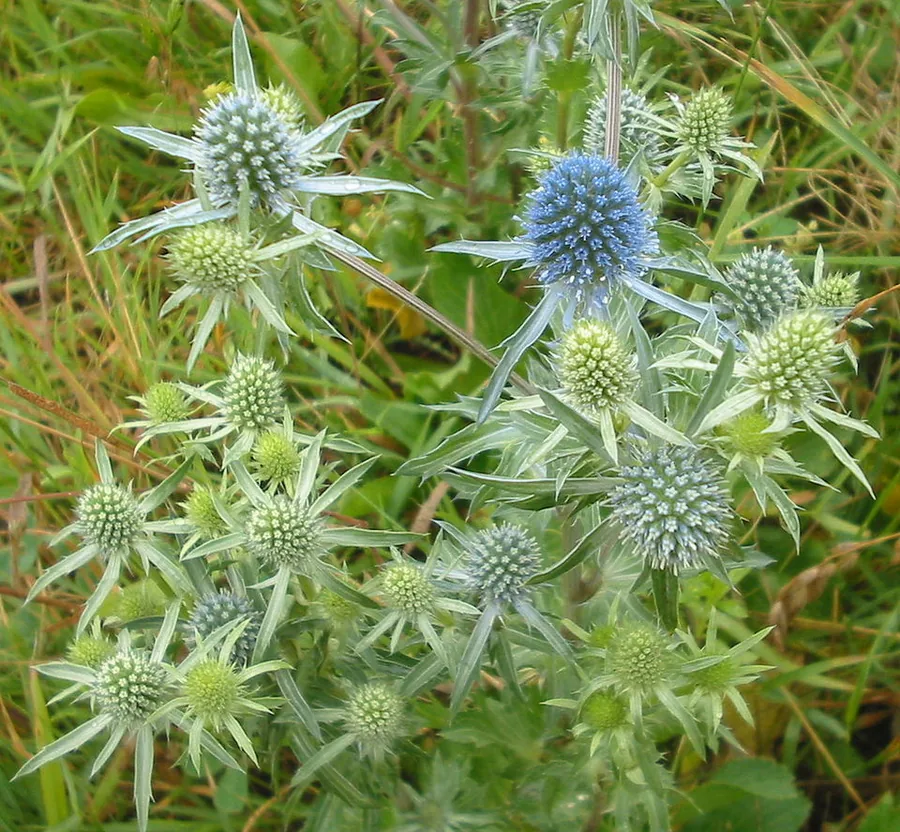
Sea holly brings a cool, sculptural presence to the summer garden, its steel-blue heads reading as quiet structure among softer blooms. Despite the name it is no true holly but a member of the carrot family, and it lives on as a perennial across USDA zones 5 to 9. From June into September it holds that color, giving a planting its backbone through the warmest months.
It suits the low-effort garden beautifully. Sea holly asks for lean soil and open sun, thriving in the sort of hot, dry spot where a busy schedule leaves little time for fuss. Rich beds and frequent watering only make it sprawl, so it rewards the hands-off approach that a modern, pared-back garden tends to favor.
The appeal carries indoors as well. Cut for the vase, the stems dry to keep their blue, sliding easily from a summer border into a winter arrangement on the mantel. Pollinators drift to the flowers all season, and a deep taproot lets the plant fend for itself through dry weeks, which makes it a natural fit for anyone who would rather enjoy a garden than tend it constantly.
Care
The short version: a hot, sunny position, poor and free-draining soil, and very little water or feeding once it settles. Leave the deep taproot in place, and this is a plant that quietly looks after itself for years.
Light
Give sea holly the sunniest position you can offer, ideally an open, unshaded stretch of border. A little partial sun is tolerated, but in shade the stems lose their upright poise and begin to lean, softening the crisp look the plant is grown for.
Water
This is a plant for the low-maintenance garden, drought tolerant once established and content to dry out fully between waterings. A drink every 10 to 21 days during a long dry spell is all it wants. Overwatering, more than anything, undoes it, so restraint is the kindest routine.
Soil
Sea holly settles happily into poor, fast-draining ground, the kind of gritty, sandy soil that suits a gravel garden or a sun-baked bank. It takes a wide pH from 5.5 to 8.5, so most sites will do. Rich, damp soil is the one setting to avoid, since it brings sprawl and rot.
Temperature
Few plants are so unbothered by weather. Sea holly rides out winter lows near -20°F (-29°C) and summer heat to around 90°F (32°C), comfortable through zones 5 to 9 with no coddling. That resilience is part of what makes it such a dependable fixture in the border.
Humidity
Dry air suits sea holly, and there is no level to manage. What it prefers is open, moving air around the foliage rather than the close, humid pockets of a crowded planting, so give it room to breathe.
Feeding
This is a plant that looks its best on a lean diet. It needs little to no fertilizer, and a light feed in spring is more than generous. Feed it richly and the elegant, upright habit collapses into soft, leaning stems.
Pruning
A little tidying keeps it sharp. Deadhead the spent flowers to hold the look, and cut the stems back once bloom is done. In late fall or early spring, the foliage can come down to the ground, clearing the stage for the next season's growth.
Repotting
Sea holly asks to be left in place, and that suits a settled border well. Its deep taproot resents disturbance, so it is happiest planted once and not moved. Only lift a long-established clump when it grows crowded or begins to lose its presence.
Size & spacing
Allow room for a plant that reaches 2 to 3 feet (61 to 91 cm) in bloom and spreads 12 to 24 inches (30 to 61 cm) across. Set each one at about that spacing so the clumps read as clean, individual accents with air moving between them.
When to plant
Sea holly keeps the calendar of a cold-winter perennial, easy to fold into the gardening year. Sow seed indoors in late winter after a cold, moist chill, move young plants out in spring once frost has passed, and the steel-blue flowers arrive to carry the border from June through September.
Northern hemisphere
Southern hemisphere
Typical months for a temperate climate: start earlier in warm zones, later where spring frosts linger.
- Sow: Late winter, 8-10 weeks before last frost; seed germinates best after cold-moist stratification
- Plant: Spring after last frost, while young so the taproot is undisturbed
- Harvest: June to September
Hardiness
USDA hardiness zones: 5–9
Temperature: down to -29°C
Troubleshooting
Sea holly rarely gives trouble, and what little it does tends to come from overattention rather than neglect. Generous soil, shade, and steady watering unsettle it far more than a dry spell ever would. The fixes below are less about intervention and more about stepping back.
Wilting and a collapsing, rotten base
A plant that wilts with a soft, browning base is showing root rot, brought on by ground that stays wet rather than any disease. The roots darken and turn mushy and the crown gives way. Open the drainage with sand or grit, ease off the watering so the soil can dry, and remove any plant that has rotted past rescue.
Fix:
- Improve drainage by amending with sand or grit
- Stop supplemental watering and allow soil to dry
- Remove and discard severely rotted plants
Stems sprawl and the plant loses its poise
When the once-upright stems lean and sprawl, the setting is usually the reason: soil too rich or a position too shaded. Sea holly holds its crisp, vertical shape only in lean ground and full sun. Withhold feeding, shift it into brighter light where you can, and cut the sprawling stems back after flowering to restore the look.
Fix:
- Grow in lean, dry, well-drained soil and avoid fertilizing
- Site in full sun for stiff, self-supporting stems
- Cut back floppy stems after flowering
Distorted shoots and ragged, chewed leaves
Two pests spoil the neat effect. Aphids crowd the tender new shoots and leave them puckered, while slugs and snails chew ragged holes and trail slime across the foliage. Rinse the aphids off with a jet of water or use insecticidal soap, lift the slugs by hand or set bait, and clear away the damp litter where they gather.
Fix:
- Spray aphids off with a strong jet of water or use insecticidal soap
- Hand-pick slugs and snails or use bait
- Keep area free of debris that shelters slugs
Toxicity
For a household that lives alongside its garden, sea holly is an easy companion: nothing about it is toxic to pets or people. The holly in its name is misleading, since it belongs to the carrot family and holds no poison in leaf, stem, or root. The one practical note is its spiny bracts and leaf edges, which invite a pair of gloves when you gather stems for the house.
Safe for
People · Cats · Dogs · Horses · Rabbits · Livestock · Birds
Cats None
A curious cat comes to no harm from sea holly, which holds nothing poisonous. The only thing to note is the stiff, prickly bracts, sharp enough to scratch an inquisitive nose.
Dogs None
Dogs, too, can investigate it safely, with no risk of poisoning from a chewed leaf. The spiny flower heads tend to discourage the attempt long before it becomes a habit.
Horses Safe
There is nothing here to trouble a horse, as the plant carries no toxin. Its rigid, thistle-like bracts quietly steer grazing toward gentler fare.
Rabbits Safe
Rabbits face no poisoning from sea holly whatsoever. The prickly leaves and stems usually persuade them to look elsewhere for a meal.
Livestock Safe
Cattle, goats, and sheep can share ground with sea holly without harm, since it holds no toxin. Its sharp, spiny growth simply reads as unappetizing and keeps them moving on.
Birds Safe
Birds are perfectly safe around it and often call in for the seeds. The stiff bracts are the only small hurdle between them and the flower heads.
People Safe
The plant is safe in a home with children and adults alike, with nothing poisonous to any part. The real consideration is the spiny bracts and leaf edges, so slip on gloves when you cut or arrange the stems.
The spiny, stiff bracts and leaf margins can prick or scratch skin; wear gloves when handling or cutting stems.
Varieties
A few named cultivars offer different ways to work sea holly into a scheme, from compact edgers to generous bloomers and a variegated form with real presence. These are the ones to look for.
Blue Hobbit
Blue Hobbit is the compact edger of the group, forming a tidy, globe-shaped mound of just 8 to 12 inches in bloom.
Blue Glitter
Blue Glitter makes the boldest show, carrying a heavy crop of glittering steel-blue heads on freely branching stems.
Jade Frost
Jade Frost adds a refined note with variegated blue-green foliage edged in creamy white beneath violet-blue blooms.
Tiny Jackpot
Tiny Jackpot keeps things neat and upright, standing on strong stems to only about 14 inches, ideal for the front of a scheme.
Companions
Sea holly looks its best next to other plants that share its taste for sun and dry, lean ground, where their colors and textures play off its steel-blue spikes.
Plant near
Black-eyed Susan: Shares full-sun, dry, well-drained conditions and contrasts with the steel-blue flower heads.
Ornamental grasses: Thrive in the same lean, sunny, drought-tolerant settings and complement the spiky texture.
Yarrow: Drought-tolerant, full-sun perennial that pairs well in dry borders and pollinator plantings.
How to propagate
Sea holly is best raised from seed, since its deep taproot makes any root disturbance a risk not worth taking in a settled planting.
SeedModerate
Sow in late winter to spring; cold-moist stratification improves germination · Blooms typically in the second year from seed
Seed is the surest way to bring on more sea holly. Sow from late winter into spring, giving the seed a spell of cold, moist chilling to break its dormancy. Set young plants out before the taproot runs deep, and most will flower for the first time in their second year, well worth the short wait.
DivisionDemanding
Spring, only if necessary · Slow and unreliable to recover
Division is a measure of last resort here. The deep taproot dislikes being cut and lifted, so a divided clump transplants poorly and is slow and unreliable to recover. Attempt it only in spring, and only when there is truly no alternative, since an undisturbed plant always fares better.
Myths
Sea holly is a true holly and carries the same poison as holly berries.
The name is the only thing holly about it. Sea holly belongs to the carrot family, unrelated to the true hollies, and no source lists it as toxic to pets or people. The single real hazard is the spiny bracts, never anything ingested.
Sea holly clumps need regular lifting and dividing to stay in good form.
In truth, the opposite serves it best. A deep taproot makes sea holly resent being moved, so dividing tends to diminish rather than refresh it. Leave an established clump undisturbed, and raise any new plants from seed or root cuttings.