Ornamental · Scrophulariaceae
Diascia
Diascia barberae
The easygoing spiller that dresses a patio from spring through fall.
Full sun
Every 2–4 days
USDA 8–11
8–12 in · 20–30 cm
Overview
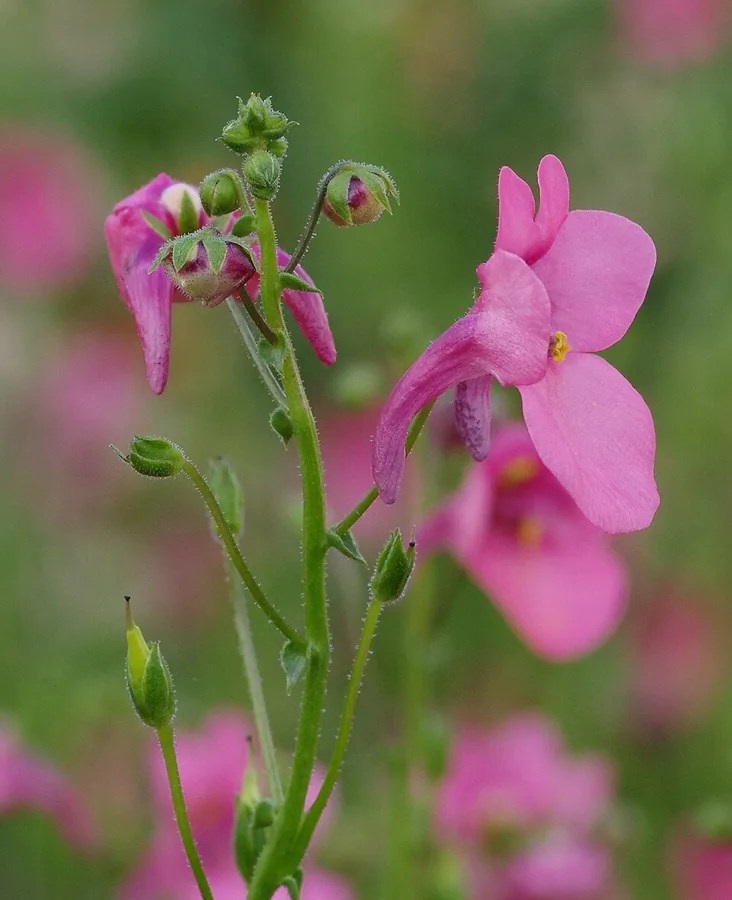
Diascia, better known as twinspur, is a low, spreading bloomer from South Africa that has earned its place at the front of the border and along the rim of a pot. It is the kind of plant you reach for when an arrangement needs softening, sending loose sprays of small spurred flowers in coral, pink, rose, and orange to tumble gracefully over a container edge.
Think of it as a cool-season performer that does its best work in the gentler stretches of the year. It flowers hardest through mild spring and again in fall, easing off in the peak of summer heat, which makes it a natural partner for doorstep displays and hanging baskets timed to the start and close of the warm months.
Treated as a tender perennial grown as an annual across much of the country, it holds through winter outdoors only in the mildest regions and is simply replanted each spring elsewhere. Easy to grow and undemanding, it suits a relaxed daily routine and rewards a sunny spot with a long, dependable show.
Care
The short version: Give diascia a sunny position, with a little afternoon relief where summers run hot, and keep the soil steadily moist so it never dries out, especially in pots and baskets. Pinch it young for a full shape, deadhead through the season, and shear it back when summer heat slows the bloom. Treat it as an annual outside the mildest zones, and it will carry color from spring through fall.
Light
Give diascia a sunny spot and it rewards you with its fullest show. Full sun is the ideal, though it will accept partial shade, and a touch of afternoon shade is welcome where summers turn hot. Too little light is the enemy of a tidy planting: a position that is too shaded thins the bloom and leaves the stems stretched and floppy, which undoes the neat look you want at a doorstep or border front.
Water
Steady moisture is the heart of keeping diascia happy. Plan to water every 2 to 4 days, and more often in heat, so the soil stays consistently moist and never dries out, a point that matters most in pots and hanging baskets where roots warm quickly. Let the roots go dry and the plant simply shuts down its flowering, so even watering is the quiet habit that keeps a container looking its best.
Soil
Set diascia in moderately fertile, organically rich ground that holds moisture yet drains freely, the kind of soil that keeps a planting lush without staying waterlogged. It is easygoing about acidity, settling comfortably across a pH of 6.0 to 8.0, from slightly acidic to alkaline, which makes it a simple fit for most beds and a standard potting mix.
Temperature
Comfortable across a broad range of 10°F to 90°F (-12°C to 32°C), diascia suits the open patio and the garden bed through the gentler parts of the year. It is not frost-tolerant, so it belongs to the warm-season display rather than the depths of winter, which shapes how and when you bring it into a planting.
Humidity
There is no humidity target to chase here. Ordinary outdoor humidity is all diascia asks for, which keeps it an uncomplicated choice for the patio. Good airflow around the planting is the detail worth attending to, since it keeps the foliage dry and discourages the slugs and snails that prefer damp, still corners.
Feeding
A light, regular feeding keeps the display going strong. Through the growing season, offer a balanced general-purpose fertilizer made for container and bedding plants on a monthly schedule. That steady rhythm suits the long bloom and the heavy demands of a pot or basket, where nutrients run out faster than in open ground.
Pruning
A little routine attention keeps diascia looking full and well-kept. Pinch young plants to coax a rounder, bushier shape, and deadhead spent flowers to keep the bloom coming. When summer heat slows the show, shear the planting back to set up a fresh flush for fall, a quick reset that keeps containers and edges presentable right through the season.
Size & spacing
Low and spreading, diascia rises only 8 to 12 inches (20 to 30 cm) while reaching 12 to 18 inches (30 to 46 cm) across, with a moderate growth rate that fills a space without overrunning it. That low, wide habit is exactly what makes it such a graceful spiller over container edges and a clean, settled choice for the front of a border or a doorstep grouping.
When to plant
Diascia follows the rhythm of the cool season, so the calendar matters as much as the care. Start it under cover ahead of the last frost or set young plants out once the cold has passed, and you can count on color from spring through summer to fall.
Northern hemisphere
Southern hemisphere
Typical months for a temperate climate: start earlier in warm zones, later where spring frosts linger.
- Sow: 6-8 weeks before the last spring frost; seed may also be sown outdoors 1-2 weeks before the last frost date
- Plant: After danger of frost has passed in spring
- Harvest: Spring through summer to fall (April to frost)
Hardiness
USDA hardiness zones: 8–11
Temperature: down to -12°C
Troubleshooting
Most of what troubles a diascia is cosmetic and easily set right. The plant is forgiving by nature, and a quick read of the signs below keeps your patio pots and border edges looking their best through the season.
A midsummer pause, not a problem to fix
When the heat of high summer settles in, your diascia may simply ease off and rest for a while. This is the plant taking a breath rather than failing, and the foliage stays healthy even as the flowers thin. A light shearing and steady moisture set the stage for the planting to come back for a fall encore.
Fix:
- Shear the planting back to encourage a fresh flush of fall bloom
- Keep soil consistently moist during heat
Uninvited night visitors leaving their mark
Torn edges and chewed gaps across the planting, trimmed with silvery trails, point to snails and slugs that come out after dark and after rain. The damage is purely cosmetic, but it dulls the tidy look you want at a doorstep or along an edge. Evening hand-picking and a drier, more open setting keep the display crisp.
Fix:
- Hand-pick snails and slugs in the evening
- Use traps or appropriate slug baits
Stretched and thin instead of full and tidy
A diascia that grows long and open, with wide gaps along the stems and only a scatter of bloom, has usually missed out on regular pinching and bright light. The result reads loose and untidy rather than the rounded, mounded shape that suits a pot or border front. A sunnier position and routine pinching restore the lush, settled look.
Fix:
- Pinch young plants to promote branching
- Deadhead spent flowers regularly
- Move container plants to a sunnier location
Toxicity
This is a planting you can settle anywhere family life happens. Diascia is not on the ASPCA toxic list and is considered safe for the people and animals that share your home and garden.
Safe for
People · Cats · Dogs · Horses · Rabbits · Livestock · Birds
Cats None
A cat sharing your patio or sunroom has nothing to fear from this plant. It is not on the ASPCA toxic list, and the worst imaginable outcome is a brief, passing stomach upset from chewing greenery, which holds true for almost any leaf a curious cat samples.
Dogs None
Dogs that wander past a doorstep planter or a border edge can pass it by without concern. Diascia is not considered toxic to dogs, and any mild tummy grumble would come from roughage rather than from anything in the plant itself.
Horses Safe
Horses kept near a garden bed or patio arrangement are perfectly safe around twinspur. Nothing in it poses a hazard to them.
Rabbits Safe
A house rabbit or a garden visitor can share the space without worry, as diascia carries no toxic compounds that would trouble them.
Livestock Safe
Goats, sheep, and cattle grazing nearby are in no danger from this planting. It is gentle company for a country yard or a paddock-side border.
Birds Safe
Birds drawn to a sunny container or bed find a harmless neighbor in diascia, with nothing about it that would cause them harm.
People Safe
This is not a plant grown for the table, yet it is safe to have within easy reach of family life. A child who tastes a flower from a doorstep pot comes to no harm.
Varieties
A handful of named selections let you set the mood of a planting, from soft coral and rose to a sunlit orange, and from sprawling border filler to a tidy mound for a basket. Choose by the look and the setting you have in mind.
Coral Canyon
A tougher, hardier selection prized for the way it carries the garden through a long season, draping the planting in soft coral-pink across patios and border fronts.
Flirtation Orange
A favorite for bedding and pots that trades the familiar pink for warm orange blooms, lending a sunlit, citrus mood to doorstep arrangements.
Diamonte series
A compact, mounding hybrid range bred for dense flowering, made for the neat, well-filled look of a hanging basket or a container by the entrance.
Darla Rose
A vigorous grower chosen for its generous show of bright rose-pink, ideal where you want a planting to read full and richly colored.
How to propagate
There are two easy ways to keep diascia in the rotation, whether you want a generous sweep of plants for the cost of a seed packet or a way to carry a favorite color over to next season.
SeedEasy
Start indoors 6-8 weeks before the last frost, or sow outdoors 1-2 weeks before the last frost date · Several weeks to germinate and establish before blooming the same season
Starting from seed is the budget-friendly route to a sweep of plants for filling beds and containers. Sow indoors 6 to 8 weeks ahead of the last frost, or scatter outdoors a week or two before that date, and the planting settles in over a few weeks to flower the same season.
Stem cuttingsEasy
Take softwood cuttings during the active growing season in spring or summer · Roots in roughly 2-4 weeks under warm, moist conditions
Softwood cuttings taken in spring or summer are the smart way to carry a named hybrid through a cold winter and keep it true to type. Kept warm and moist, they root in about 2 to 4 weeks, giving you fresh plants to refresh the same look next season.
Myths
Diascia is poisonous to cats and dogs, so it should be kept well away from pets.
This one can be set aside with confidence. Twinspur does not appear on the ASPCA toxic list, has no recorded cases of poisoning, and can be planted freely around the animals that share your home and garden.
Diascia is a hardy perennial anywhere and will overwinter in any garden.
The reality depends on where you live. It holds through winter outdoors only in USDA zones 8 to 11, while in colder regions it is grown as an annual, replanted each spring or carried over from rooted cuttings.