Shrub · Ericaceae
Encore Azalea
Rhododendron
Set against acidic soil, filtered sun, and steady moisture, the Encore azalea carries a garden from spring straight through to fall.
Partial sun
Every 3–7 days
USDA 6–10
2–5 ft · 0.6–1.5 m
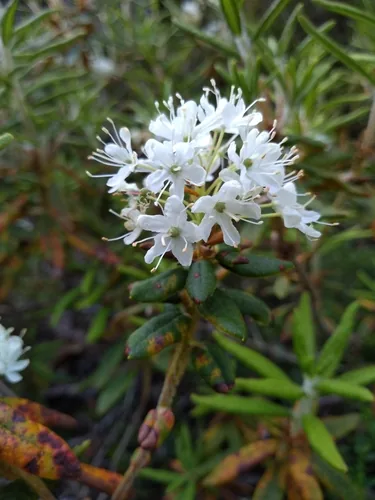
Overview
Some shrubs give a garden one glorious week and then fade into the background. The Encore azalea refuses that bargain. It is a reblooming shrub that opens in spring like any azalea, then returns with fresh color from summer into fall, so a border or entry planting stays in flower long after the season's first rush has passed. It belongs to the genus Rhododendron in the heath family, a hybrid series built for anyone who wants their garden to keep performing.
Place it where the day's light is generous but softened. Old garden azaleas want the shadows, yet Encores accept more direct sun and reward that brighter setting with a longer, steadier show. A spot along a sunny path, near a seating area, or framing a doorway suits them, while a dim corner quietly trades away the very repeat bloom that makes them worth planting.
For all that color, the upkeep stays low-key. Give them acidic, well-drained soil and steady moisture and they ask little else, with light pruning, no deadheading, and the kind of easy presence that lets a planting mature gracefully over years. The single non-negotiable is toxicity, since every part of the shrub can poison pets, livestock, and people, so its place in the garden deserves a deliberate choice.
Care
The short version: give it a home in acidic, well-drained soil with filtered sun and afternoon shade, keep the roots evenly moist but never waterlogged, offer an acid-forming azalea fertilizer in late spring, and prune lightly just after the spring bloom.
Light
Encore azaleas look their best in filtered or partial sun, and unlike old garden types they hold up in some full sun, which opens up more of the garden to them. Aim for bright light with a little afternoon shade. A position too dim costs you the reblooming, while a harsh, hot exposure stresses the plant and invites lace bugs, so a softly lit spot serves the look and the plant alike.
Water
Keep the soil evenly moist but well-drained, watering deeply to 6 to 8 inches once the top few inches feel dry. A newly set plant in sandy soil may want water about twice a week through its first year as it finds its footing. Consistent moisture keeps the foliage lush, though standing water rots the roots and undoes the whole planting.
Soil
These shrubs settle in best in acidic soil, ideally a pH of 4.5 to 6.0, that drains freely and carries plenty of organic matter. Work pine bark or compost into the bed before planting and set the shrub a touch high. Heavy, soggy ground is the quickest way to lose one, so a well-prepared bed pays off for years.
Temperature
Encore azaleas suit a remarkable range of gardens, hardy from about -9°F to 100°F (-23°C to 38°C), which spans zones 6 through 10. They carry real winter cold and summer heat with equal ease. In the coldest zones, young plants appreciate a sheltered spot away from drying wind.
Humidity
Ordinary outdoor air suits them, so there is no humidity target to manage. What truly counts is air circulation, since crowded, still, damp settings are what bring on petal blight and lace bug trouble. Give each shrub a little space in the composition and the planting stays healthier.
Feeding
Feed with a complete, slow-release acid-forming azalea fertilizer, around a 2-1-1 ratio, in late spring once new growth appears and on into early summer. Hold off on late-fall feeding, which pushes tender growth into the cold. A single seasonal feeding keeps a planting looking its part.
Pruning
These shrubs ask for very little pruning, which keeps maintenance light in a busy garden. To shape or thin one, do it just after the spring flush so the coming rebloom stays intact. Deadheading is unnecessary, since the plant renews its flowers on its own.
Repotting
Encore azaleas are rarely repotted and are happiest planted out in the garden, though a container can work as an accent. There, watch for roots circling the soil ball or growth that stalls, both signs the plant has outgrown its pot and wants a larger one with fresh acidic mix.
Size & spacing
A mature plant reaches 2 to 5 feet (61 to 152 cm) tall and spreads wider than it stands, around 3 to 4 feet (91 to 122 cm) across, which makes it a generous filler in a border. Give each shrub room for that full width so air moves through and the foliage stays dry, and the planting reads as full rather than crowded.
When to plant
Think of the Encore azalea as a long-term resident, a woody shrub hardy in zones 6 through 10 that arrives as a nursery plant rather than from seed. Set it into the garden in spring or fall, while mild weather lets the roots settle into their new place. The first flowers arrive in spring, and from there the reblooming habit keeps color in the scene from summer through fall.
Northern hemisphere
Southern hemisphere
Typical months for a temperate climate: start earlier in warm zones, later where spring frosts linger.
- Plant: Spring or fall
- Harvest: Spring, then again summer through fall
Hardiness
USDA hardiness zones: 6–10
Temperature: down to -23°C
Troubleshooting
When an Encore azalea underperforms, the setting is usually the culprit, whether that is a position too sunny and exposed for comfort or a low spot that holds water. Read the leaves, flowers, and roots early and a plant can be guided back to form. Find the picture below that matches yours, then act before it spreads through the planting.
Wilt and decline above dark, rotting roots
A shrub that wilts and fades even with water in the ground is likely battling Phytophthora root and crown rot, a soil disease that thrives in wet, poorly drained sites. Dig at the base and the roots come up dark and mushy instead of firm and pale. A badly rotted plant cannot be saved, so remove it, correct the drainage, and replant shallow in acidic soil amended with pine bark.
Fix:
- Improve drainage and avoid overwatering
- Remove severely affected plants
Foliage gone gray and stippled, flecked dark beneath
When the foliage loses its glow and turns a dull, speckled gray, the azalea lace bug is usually behind it, feeding on the undersides and draining the color from above. Turn a few leaves and look for the lacy-winged adults, spiny nymphs, and varnish-like droppings, or wipe the undersides on white paper to rule out spider mites. Treat the undersides with a labeled insecticide, or use a soil systemic for season-long cover, and move plants out of hot full sun where the damage shows most.
Fix:
- Treat undersides of leaves with a labeled insecticide such as acephate, bifenthrin, malathion, or cyfluthrin
- For season-long control use a soil-applied systemic such as imidacloprid or dinotefuran
- Plant lace-bug-resistant cultivars where possible
Spotted blooms dissolving into a slick mush
Few things spoil a display faster than petal blight, a fungus that strikes in cool, wet weather and turns open flowers to mush within days. The spots start small, pale on colored petals or rust-toned on white ones, then spread until the bloom collapses. Pick off and bin the affected flowers, water at the base rather than overhead, and open the plant up so air moves through it during bloom.
Fix:
- Remove and dispose of infected blooms
- Improve air circulation and avoid overhead watering during bloom
Toxicity
Beautiful as it is in a border, this is a plant to place with real care around animals and small children. Every part of an Encore azalea contains grayanotoxins, the same compounds found across the rhododendrons, and even a few leaves or flowers can sicken a pet. Keep the shrub, its prunings, and any fallen leaves and flowers well away from cats, dogs, horses, livestock, and curious kids.
Toxic to
Cats · Dogs · Horses · Rabbits · Livestock · Birds · People
Cats Severe
Even a couple of leaves can make a cat very sick. The early signs are drooling, vomiting, and diarrhea, followed by weakness and an unsteady, wobbly walk. In larger doses the grayanotoxins disturb the heart rhythm and drop the blood pressure, and a cat can collapse, so treat any nibble as an emergency.
Dogs Severe
A dog that mouths the foliage or blooms tends to drool, be sick, and run to diarrhea inside a few hours. Trembling, weakness, and a wobbling loss of coordination often trail behind as the poison travels. Even a modest bite puts the heart and its blood pressure at risk, so any nibble earns a quick call to the veterinarian.
Horses Severe
Horses cannot vomit, so the grayanotoxins hit hard and stay in. Expect colic, diarrhea, drooling, and deep weakness, and in serious cases the heart begins to fail. Browsing horses are at real risk, so keep clippings and fallen leaves well out of reach.
Rabbits Severe
The grayanotoxins that sicken cats and dogs are every bit as risky for a rabbit. A small taste can leave the gut sluggish and the appetite gone, alongside weakness and a heartbeat that drags. Keep azalea foliage and flowers off the menu entirely, and sweep away any trimmings near where a rabbit feeds.
Livestock Severe
It takes only a small amount of azalea to poison goats, sheep, or cattle, and animals at pasture now and then graze a fatal dose. The typical signs run to drooling, bouts of vomiting or regurgitation, an unsteady stagger, and a failing heartbeat. Wall the shrubs off behind a fence, and never pitch clippings out into grazing ground.
Birds Severe
Birds handle the grayanotoxins in this plant badly, and since they are so small, a tiny quantity does outsized damage. A bird pecking at the leaves or blooms can weaken, tip off balance, and fall into an erratic heart rhythm. Keep companion birds clear of the foliage altogether.
People Caution
No portion of the shrub is edible, and the grayanotoxins can lay a person low as readily as a pet. Someone young or old who eats the leaves or flowers may turn nauseous and weak, with vomiting and, in heavier amounts, a heartbeat gone slow or irregular. Set the plant beyond a small child's reach, and ring poison control the moment anyone swallows any.
Keep plants, prunings, and fallen leaves and flowers away from pets and livestock; even a few leaves or flowers can cause serious signs.
Helpline numbers

United States
ASPCA Animal Poison Control: (888) 426-4435 (fee applies)
Poison Control: (800) 222-1222



Canada
Poison Centres: 1-844-764-7669
Varieties
The Encore series spans many named cultivars, set apart mostly by flower color, which makes them easy to choose by the palette a garden calls for. These four mark the range.
Autumn Royalty
Autumn Royalty is a reblooming Encore cultivar that brings rich purple flowers to a planting.
Autumn Twist
Autumn Twist is a reblooming Encore type prized for its striped, bicolor blooms.
Autumn Fire
Autumn Fire is a reblooming Encore cultivar that lends a border bold red flowers.
Autumn Moonlight
Autumn Moonlight is a reblooming Encore type that opens in clean white.
Companions
Encore azaleas do best under high, open trees that filter the light and drop an acidic mulch as their leaves break down.
Plant near
Oak: Provides high filtered shade while allowing enough light, and its leaf mulch breaks down to acidify and feed the soil
Pine: Gives filtered shade and acidic needle mulch suited to azaleas' soil needs
How to propagate
A favorite planting can become several, since Encore azaleas grow readily from plants already in the garden, either by rooting cuttings or by layering a low branch, with patience as the only real cost.
Stem cuttingsModerate
Late spring to summer from semi-hardwood growth · Several weeks to months to root
Take cuttings of current-season, semi-hardwood growth from late spring into summer and set them in a moist, well-drained acidic medium. They root slowly, often over several weeks to a few months, so keep them humid and let new growth signal when they have taken before you find them a place in the garden.
LayeringEasy
Spring · One or more growing seasons
Layering is the relaxed route. In spring, pin a low, flexible branch into acidic soil and leave it attached to the parent while it roots, which can take a full growing season or more. Once it has roots of its own, cut it free and move it to its spot.
Myths
Azaleas carry only faint toxicity, so a stray bite leaves a pet unharmed.
The whole plant is laced with grayanotoxins, and even a few leaves carry enough to cause genuine harm. One small taste can set off vomiting, weakness, and a frightening change in the heartbeat of cats and dogs, while a bigger dose can be fatal. Give any azalea a careful spot, and let no pet reach any part of it.
Encore azaleas belong in full shade, just as the classic varieties do.
These were bred to take more sun than traditional azaleas, which is what makes them so versatile in a planting. To rebloom well they want at least 4 to 6 hours of sun, ideally with some afternoon shade, so a deeply shaded corner leaves you with few of the repeat flowers they are grown for.