Shrub · Ericaceae
Rhododendron
Rhododendron
With the acidic soil and dappled shade it loves, a rhododendron becomes the quiet centerpiece of a woodland garden for decades.
Partial shade
Every 3–7 days
USDA 4–8
6–10 ft · 1.8–3 m
Overview
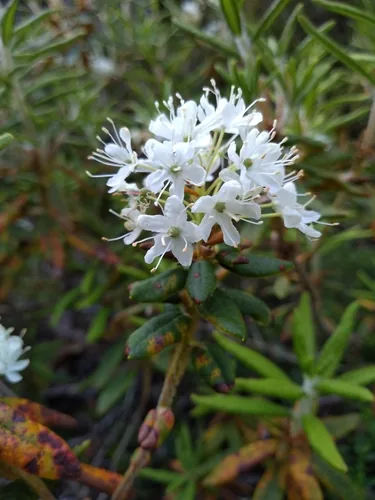
Few shrubs set a spring scene like the rhododendron, its branches heavy with trusses of bell-shaped flowers that read from across a garden. It comes from the heath family, a relative of the azalea, with roots in cool, shaded hillsides where the ground stays acidic and thick with leaf mould. That heritage is really a design brief: place it in soft light, keep the soil rich and moist, and it will hold a corner of the garden with an easy, settled grace.
This is a shrub for the patient gardener and the long view. Given the right spot it climbs to 6 to 10 feet (1.8 to 3 m) and stays for generations, growing into the kind of established presence a young planting can only promise. The broad evergreens keep their leaves through winter, lending structure to a bare season, though that same foliage wants shelter from cutting wind. Choose its position with care and it repays you with a look that only deepens over time.
One consideration shapes where it belongs in a shared outdoor space: the whole shrub is poisonous. Leaves, flowers, nectar, and stems carry grayanotoxins, so site it away from paths where grazing animals, pets, or small children might reach it.
Care
The short version: soft, dappled shade, steady moisture, and an acidic, humus-rich soil that still drains cleanly. Set the root ball a little high, give it shelter from raw winter wind, and feed only when the plant asks.
Light
Give a rhododendron soft, dappled shade, the filtered light of a woodland edge, and it settles happily into a border beneath taller trees. It will accept more sun in cool climates and deeper shade where the site demands, but keep it clear of harsh full sun, which scorches the foliage and draws lace bugs.
Water
Keep the soil evenly moist yet free-draining, since the shallow roots dislike sitting wet. Water once the ground is dry some 8 to 12 inches below the surface, roughly every 3 to 7 days through dry spells, and carry that habit into fall so the foliage moves into winter well supplied.
Soil
The one non-negotiable is the soil: acidic, humus-rich, and free-draining, ideally around pH 4.5 to 6.0. Where the ground runs to heavy clay, work in generous organic matter and plant the root ball high, because standing water at the roots undoes everything else.
Temperature
The hardy kinds are unbothered by a wide swing of weather, from about -29°F to 86°F (-34°C to 30°C). Cold alone rarely troubles them; the real threat is frozen roots paired with drying wind, which leaves the evergreen foliage scorched by spring.
Humidity
There is no humidity figure to chase, since ordinary outdoor air suits it. What shapes the plant's condition instead is steady soil moisture and a sheltered position, the pairing that keeps the foliage fresh through the seasons.
Feeding
Feed with restraint, and only when the plant plainly shows a shortfall. An acidic fertilizer at a 3:1:2 or 3:1:3 ratio such as 12-4-8 does the job, applied after the spring flowers rather than at planting.
Pruning
Shape or contain the shrub just after flowering, before the buds for next season have formed, and it keeps a tidy silhouette in the border. Removing the spent flower trusses, a step called deadheading, channels the plant's energy toward a fuller display the following spring.
Repotting
A rhododendron belongs in open ground and seldom needs moving once placed. Lift one only to relocate it, and where a container-grown plant begins circling its roots near the surface or losing its vigor, it is asking for more room.
Size & spacing
Plan around a mature shrub of 6 to 10 feet (1.8 to 3 m) tall and 5 to 8 feet (152 to 244 cm) wide, and give it that generous footprint in the bed. The open spacing lets air drift through the branches, keeping the planting healthy as well as handsome.
When to plant
Plant a rhododendron in the gentler shoulder seasons, when the garden itself is at its most forgiving. Spring or fall lets the roots settle before summer heat or hard cold, and the reward arrives in a spring flush of bloom, carried by some varieties into midsummer.
Northern hemisphere
Southern hemisphere
Typical months for a temperate climate: start earlier in warm zones, later where spring frosts linger.
- Plant: Spring or fall
- Harvest: Spring (some varieties into midsummer)
Hardiness
USDA hardiness zones: 4–8
Temperature: down to -34°C
Troubleshooting
A rhododendron's troubles usually come from the ground it sits in or the weather around it, rather than from any lapse in attention. Wet soil, drying wind, and a handful of pests account for most of what goes wrong. Read the signs below and respond early, while the shrub can still recover its poise.
Wilting shoots and dieback after wet ground
The culprit is Phytophthora root rot, a soil fungus that settles into wet, poorly drained ground or around a shrub set too deep. A plant may seem to revive after watering, then decline once more as the roots darken and rot away. Improve the drainage before planting, sit the root ball high, and remove any shrub that has gone too far to save.
Fix:
- Improve drainage before planting and avoid wet, compacted sites or areas near downspouts
- Plant the root ball high and amend soil with organic matter
- Remove and discard severely affected plants
Pale mottled leaves with dark specks beneath
Turn a mottled leaf and the cause reveals itself: lace bugs, along with their glossy black droppings. They press hardest on shrubs left in full sun and dry soil, with the damage surfacing in late spring. Coat the leaf undersides with horticultural oil or insecticidal soap, and let ladybird beetles share the work.
Fix:
- Apply horticultural oil at the 2 percent summer rate or insecticidal soap, thoroughly coating leaf undersides
- Encourage natural predators such as ladybird beetles
Bronzed leaf margins after a harsh winter
This is winter desiccation, appearing on the windward side where cold, drying wind pulls water from the leaves faster than the frozen roots can replace it. Water well in fall before the ground closes over, and set a burlap screen about 18 inches out on the exposed side. When new growth returns in spring, trim away the dead.
Fix:
- Maintain adequate soil moisture in fall before the ground freezes
- Erect a burlap or other windbreak about 18 inches from the plant on the windward side
- Prune out dead tissue in spring once new growth resumes
Leaf spots or puffy swellings on new growth
Most spots are fungal leaf spot and stay merely cosmetic, while the puffy green or white swellings on the newly opened leaves and flowers are Exobasidium leaf gall. Neither does the shrub lasting harm. Snip off the marked leaves and galls, open the plant to better airflow, and keep water off the foliage.
Fix:
- Prune off and discard unsightly spotted leaves or galls
- Improve air circulation and avoid wetting foliage
Toxicity
Handsome as it is, this shrub demands respect around animals. Every part, from leaf to flower to nectar, carries grayanotoxins, and even a few leaves can sicken a pet or throw a grazing animal into a heart-rhythm crisis. Even honey drawn from its flowers, the so-called mad honey, holds the toxin, so keep the plant and its prunings away from pets, livestock, and children, and reach a vet at once if an animal eats any.
Toxic to
Cats · Dogs · Horses · Rabbits · Livestock · Birds · People
Cats Severe
A cat that samples the leaves usually begins drooling and vomiting within hours, then grows weak and unsteady. A larger dose lowers the blood pressure and unsettles the heartbeat, and it can end in collapse, so treat any tasting as an emergency.
Dogs Severe
Expect heavy drooling, vomiting, and diarrhea soon after a dog chews any part of the shrub. The grayanotoxins go on to drain its strength and disrupt the heart rate, and a large mouthful can prove life-threatening.
Horses Severe
A grazing horse grows colicky and drools, then turns weak and uncoordinated as the poison takes hold. The heart rhythm falters and the animal may go down, with large amounts proving fatal.
Rabbits Severe
No part of this shrub belongs anywhere near a rabbit. The same grayanotoxins bring a churning gut, weakness, and a dangerously erratic heartbeat, and so small a body needs only a little to be overwhelmed.
Livestock Severe
Cattle, goats, and sheep that browse the foliage drool and vomit, then weaken as the heart rate turns abnormal. Hungry animals face the greatest risk, and a serious dose can be fatal.
Birds Severe
Birds are no safer, since the grayanotoxins fall hard on the heart and nerves relative to their small size. Even a taste of leaf or flower can leave a bird weak and unwell, so keep them well away.
People Caution
No part of the plant is food, and chewing the leaves or flowers can bring nausea, drooling, and a slowed or irregular heartbeat. Even honey made from the blooms, the so-called mad honey, carries the toxin, so keep curious children clear of the shrub.
Keep plants, prunings, and fallen leaves away from pets and grazing animals.
Helpline numbers

United States
ASPCA Animal Poison Control: (888) 426-4435 (fee applies)
Poison Control: (800) 222-1222



Canada
Poison Centres: 1-844-764-7669
Varieties
Most garden rhododendrons come from hardy native species or hybrids bred for cold, each bringing a slightly different palette to a planting. These are the ones you will meet most often.
Rhododendron catawbiense
The Catawba rhododendron, a cold-hardy Appalachian native, carries lilac-purple flowers and endures temperatures down to about -25°F (-32°C).
Rhododendron maximum
The great rosebay is a large evergreen that opens white to pale pink flowers and tolerates deeper shade than nearly any other in the genus.
Roseum Elegans
Roseum Elegans, a vigorous catawbiense hybrid cherished in cold gardens, clothes itself in rosy-lilac blooms and weathers hard winters.
How to propagate
A rhododendron can be increased in several ways, none of them hurried, which suits a plant so unbothered by time. The route you choose depends on your patience and on whether you need a faithful copy of a named cultivar.
LayeringModerate
Spring to summer · One to two years
Layering is the most dependable route for most gardeners. From spring into summer, wound a low branch, pin it against the soil, and leave it in place; it takes one to two years to root well enough to be severed as a plant of its own.
Stem cuttingsDemanding
Late summer · Several months to a year
Cuttings call for patience. Take semi-hardwood cuttings in late summer, dip them in rooting hormone, and hold them in high humidity, and even then they root slowly across several months to a year.
GraftingDemanding
Winter · One growing season
Grafting joins a named cultivar to a hardy rootstock. Carried out in winter, the union establishes over one growing season, though the work is exacting and best entrusted to seasoned growers.
SeedModerate
Sow on surface of acidic medium · Several years to flowering
Seed is the unhurried path. Sown on the surface of an acidic medium, the seedlings emerge varied and often unlike the parent, and they need several years to reach their first flowers.
Myths
A rhododendron is only mildly poisonous, so a few leaves will not harm a pet.
In truth the whole shrub carries grayanotoxins, and even a few leaves can bring on serious heart and nerve poisoning in cats, dogs, horses, and livestock. Treat every rhododendron as dangerous around animals, and call a vet the moment one has eaten some.
Rhododendrons thrive in ordinary garden soil.
They in fact call for acidic, moist, well-drained, humus-rich ground near pH 4.5 to 6.0, and they languish in dense clay or alkaline dirt. Settle the soil first, since no amount of feeding or watering compensates for the wrong pH.