Houseplant · Moraceae
Fiddle-leaf Fig
Ficus lyrata
Set it in bright indirect light and one steady spot, and the fiddle-leaf fig answers with sculptural, glossy leaves.
Bright indirect
USDA 10–12
2–10 ft · 0.6–3 m
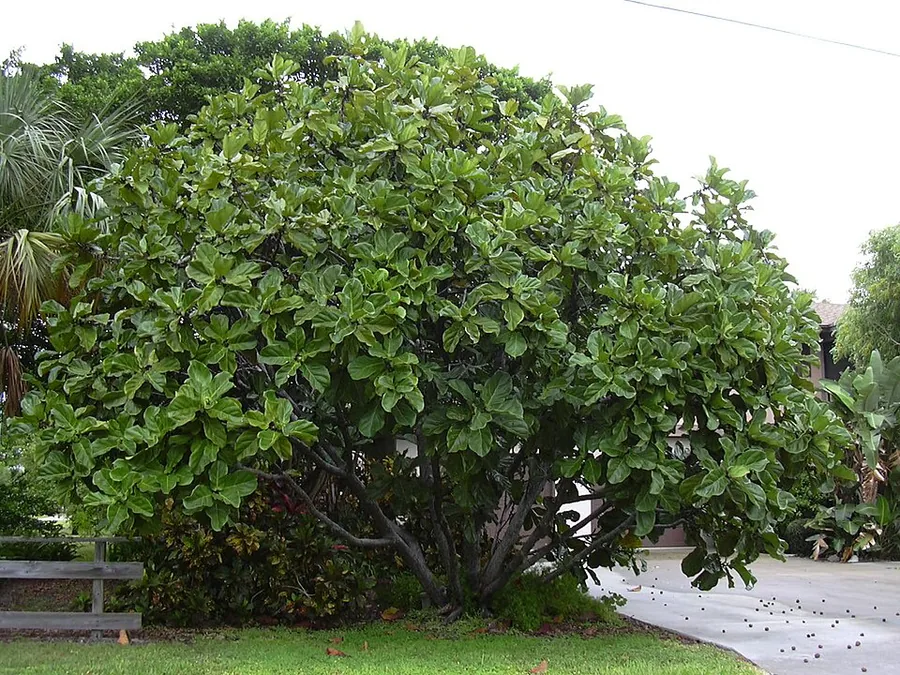
Overview
Few houseplants command a room the way the fiddle-leaf fig does, which is why it has become the go-to when a space wants a single sculptural presence. A member of the fig family, it hails from the tropical forests of western and west-central Africa, where it rises into a genuine tree. Kept inside, it holds a tall, upright posture as a specimen plant, its broad, lacquered, violin-shaped leaves catching the light.
Talk of its difficulty tends to outpace the plant itself. It wants little, yet what it wants is consistency: the same well-lit corner, the same watering cadence, no abrupt relocations or cold drafts. Honor that and it overlooks the rest. Shuffle it from room to room or water by whim, and it replies with brown spots and shed leaves.
Tended well, it travels from tabletop accent toward the ceiling over a handful of years, settling somewhere between 2 to 10 feet (60 cm to 3 m) indoors. The price of that stature is the milky sap, an irritant to skin and unsafe for animals, so it deserves a perch beyond the reach of cats, dogs, and children.
Care
The short version: bright indirect light, an even watering habit that lets the top few centimeters dry, a fast-draining acidic mix, and one warm, draft-free corner where the plant can stay put and feel at home.
Light
Place it in bright indirect light, near a window where the sun never lands square on the leaves. It will accept part shade, yet a blast of direct afternoon sun scorches the foliage, so diffuse that light or draw the plant back from its fiercest reach.
Water
Reach for the can once the top few centimeters of soil have dried, testing with a finger about 2 inches down. Neither extreme suits it, so do not let the rootball go bone dry or shrink from the pot, and never leave it standing in water. Pull back through fall and winter.
Soil
Pot it up in a fast-draining, loamy, acidic mix that keeps a little moisture without turning to mud. Aim for a pH at or under 6.0, and choose a container with drainage holes so the water passes cleanly through.
Temperature
Hold it in the warm, above 55°F (12.8°C), well clear of chilly windows and drafts. Abrupt swings in temperature rank among the usual reasons leaves spot or fall, so a settled indoor corner serves it best.
Humidity
Ordinary household air is plenty, so there is no figure to fuss over. A gentle wipe of those wide leaves now and then beats misting by a wide margin, since clean foliage drinks in light more readily.
Feeding
Through spring and summer, offer it a weekly drink of diluted liquid fertilizer at a 3-1-2 (N-P-K) ratio, folded into the watering. That generous nitrogen feeds its leafy ambitions. Set the feeding aside once the season's growth eases.
Pruning
This fig accepts the shears gracefully, so shape it or check its height whenever the look calls for it. Wear gloves, since the milky sap that weeps from a cut stem irritates skin.
Repotting
Move it on every 1 to 2 years as it overtakes its container, though a touch of potbound suits it fine. Step up the pot when roots steal out the drainage holes or the soil drains in a hurry and shrinks back from the rim.
Size & spacing
24–120 in (61–305 cm) tall
Troubleshooting
Nearly every fiddle-leaf fig complaint surfaces on the leaves, and nearly all of it leads back to watering or some shift in the plant's setting. Catch the signals early and the root cause yields before it widens. Find the picture that matches yours below, then move.
Brown blotches creeping over the foliage
When brown marks appear, the cause is almost always overwatering and root rot rather than a plant gone thirsty. A cold draft slipping past a window, the dry blast of a heat vent, or watering that lurches from drenched to parched will do the same. Look at the soil and roots, shift the plant clear of moving air, and let an even rhythm replace the guesswork.
Fix:
- Let the soil dry appropriately and confirm the pot drains freely
- Move the plant away from drafts, vents, and cold windows
- Re-establish a consistent watering routine; trim rotted roots if root rot is present
Foliage letting go and falling
A fiddle-leaf fig protests change by dropping its leaves. The frequent trigger is inconsistent watering, though a chilly draft, an abrupt shift in warmth, or even a move to a fresh corner can set it off. Settle on one reliable position and a level hand at the watering can, and the plant grows calm again.
Fix:
- Keep watering consistent
- Avoid moving the plant once it is settled
- Protect from cold drafts and hot/dry air from vents
Stickiness, fine webbing, or visitors on the leaves
Figs grown indoors tend to attract the familiar cast of sap-sucking pests: scale, aphids, mealybugs, thrips, and spider mites, the last drawn to dusty surfaces and parched indoor air. Tip each leaf over and hunt for insects, gossamer webbing, or a tacky honeydew sheen. Sponge and rinse the foliage, reach for insecticidal soap or horticultural oil, and set the plant apart from its companions until calm returns.
Fix:
- Wipe leaves and rinse foliage
- Treat with insecticidal soap or horticultural oil as directed
- Isolate the plant until the infestation is controlled
Faded, sun-burned patches on the window side
Washed-out, singed areas are the mark of leaf scorch from sun that falls too hard and direct. The clue lies in where it strikes: the face turned toward the glass, at its worst once the fierce afternoon light has done its work. Draw the plant back into soft, bright indirect light or screen it from the harshest hours, and fresh leaves emerge unblemished.
Fix:
- Move to bright indirect light
- Shield from direct afternoon sun
Wide leaves turning gray and lifeless under dust
Such generous leaves collect dust like shelves, and a settled layer cuts off the light the plant lives on while slowing how it breathes. The signal is a flat, grayish surface where shine used to be. Run a damp cloth over both faces of each leaf and the gloss comes right back.
Fix:
- Wipe the top and bottom of the leaves with a damp cloth or paper towel
Toxicity
Keep this one well away from curious pets. Throughout the plant runs a milky sap heavy with the enzyme ficin, which sets a cat's, dog's, or other animal's mouth and gut aflame and brings drooling and vomiting once chewed. The sap nettles human skin as well, and nothing on the plant is edible, so handle it gloved and out of reach of animals and children.
Toxic to
Cats · Dogs · Horses · Rabbits · Livestock · Birds · People
Cats Toxic
Should a cat take a bite of a leaf, its mouth turns sore and tender, the drooling comes fast, and vomiting tends to follow. Where the milky sap touches skin, it can leave a red, inflamed patch.
Dogs Toxic
Once a dog chews the foliage, look for an irritated mouth and stomach, heavy drooling, and vomiting. Sap smeared across the muzzle or paws may turn the skin red and sore.
Horses Toxic
That same ficin-rich latex inflames a horse's mouth and gut, with drooling and an unsettled stomach to show for it. The plant belongs nowhere a horse can reach.
Rabbits Toxic
No part of this fig is fit for a rabbit to taste. Its harsh sap troubles the mouth and the gut, so the safest course is to put the whole plant beyond reach.
Livestock Toxic
Goats, sheep, and similar grazers can wind up with a sore mouth and an upset stomach from the latex. Not a leaf on it is worth the gamble to a grazing animal.
Birds Toxic
For a pet bird the biting sap poses real danger, and even a nibble can provoke a reaction. Keep feathered companions away from both the leaves and any freshly cut stem.
People Caution
Nothing on this plant is meant to be eaten, and its milky sap can turn skin red, itchy, and sore. Slip on gloves before any pruning or handling of cut stems, and rinse your hands when you finish.
The milky sap (latex) can irritate skin; wear gloves when pruning or handling cut stems
Helpline numbers

United States
ASPCA Animal Poison Control: (888) 426-4435 (fee applies)
Poison Control: (800) 222-1222



Canada
Poison Centres: 1-844-764-7669
Varieties
Most fiddle-leaf figs on offer are the unadorned species, though a few named selections appear here and there, generally smaller or variegated. These are the ones worth having on your radar.
Bambino
Bred as a dwarf form that never approaches the height of the species, it slips neatly onto a tabletop or into a snug corner.
Compacta
Reaching about 5 feet with smaller leaves set tightly together, it wears a denser, more rounded shape than the leggy species.
Little Sunshine
A small, variegated form sought out for its modest stature and its prettily patterned leaves.
Variegata
Marked with cream-and-green variegation and seldom stocked in stores, it counts as a real catch on the rare day you come across one.
How to propagate
A fresh fiddle-leaf fig can come straight from the one already gracing your room, and a stem cutting is how it is done. All it asks in return is a little patience and a pair of gloves.
Stem cuttingsModerate
Spring through summer during active growth · Roots over several weeks under warm, humid conditions
To raise another fiddle-leaf fig, the dependable route is a stem cutting, snipped across spring or summer while fresh growth is underway. Hold it somewhere warm and humid, and it sets roots over several weeks. Reach for gloves before you start, because the milky sap stings the skin.
Myths
Fiddle-leaf figs are nearly impossible houseplants to keep alive.
The whispered difficulty outpaces the plain reality. For all its diva air, steady light, an even hand with water, and a single settled home cover most of what it asks. Meet those three and it grows on quietly, no theatrics required.
Brown spots on the leaves always mean the plant is thirsty.
Reaching for the watering can is usually the wrong instinct here. Far more often, brown spots trace back to overwatering and root rot, or to cold drafts and shifting temperatures, than to a parched plant. Read the soil and study where the plant stands before you pour another drop.