Herb · Lamiaceae
Hyssop
Hyssopus officinalis
Set in full sun and lean, fast-draining soil, hyssop brings a garden aromatic leaves and bee-loved blue spikes.
Full sun
Every 7–14 days
USDA 4–9
12–24 in · 30–60 cm
Overview
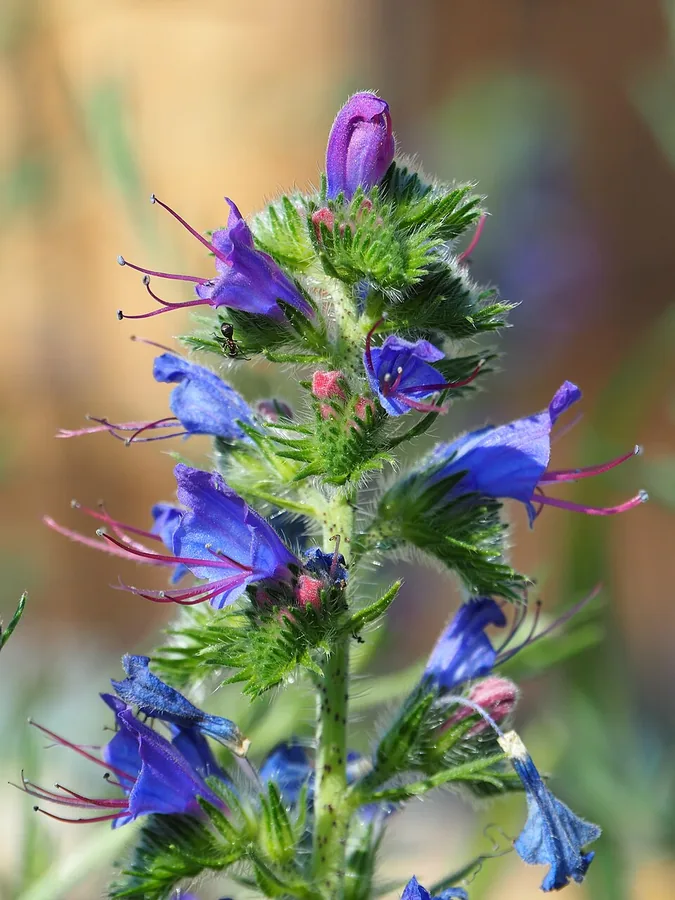
Hyssop is a woody-based perennial with a long story, a Mediterranean herb that has earned its keep in kitchens and apothecaries for centuries. In a garden it reads as a tidy, low mound of aromatic foliage that anchors a sunny herb bed or edges a gravel path with quiet composure, then in summer it lifts spikes of blue-purple flowers that turn the border into a gathering place for bees and butterflies. Hardy through USDA zones 4 to 9, it holds its place through hard winters and dry summers alike.
It belongs in the sunniest, best-drained part of a garden, the sort of open, gravelly spot where a Mediterranean planting comes into its own. Grouped along a path, tucked into a rockery, or set among lavender and other sun-lovers, it asks for full sun and soil that drains fast and little else once settled. The single misstep is a damp, shaded corner, which suits neither the plant nor the look it lends a space.
Left to its own devices for a few seasons it grows open and woody, so a spring trim keeps it shapely enough to earn its spot in a considered planting. Because it self-seeds so freely, a single plant soon becomes a generous, informal drift, an easy way to give a herb garden a lived-in, established feel.
Care
The short version: hyssop wants full sun, lean sharply drained soil, and only occasional water once it has settled into a bed. A spring trim keeps its form, it rarely needs feeding, and renewing it every few years before it turns woody keeps a planting looking its best.
Light
Give hyssop full sun and it repays a garden with its fullest growth, flowering, and scent. It will accept a little partial shade, but a shaded plant grows open and floppy and offers far fewer of the summer spikes that make it worth a place in the border.
Water
Let the top half of the soil dry out between waterings, then water deeply and step back. Once established the plant is drought-tolerant and wants only the occasional drink, which suits a low-maintenance planting, and the one thing it cannot abide is soggy, waterlogged ground.
Soil
Site it in well-drained loam, sandy, or shallow rocky soil, the lean, gravelly ground that gives a Mediterranean planting its character. Hyssop takes a wide pH from 6.0 to 8.0 and shrugs off poor, dry soil, so drainage matters far more than richness when choosing its spot.
Temperature
This is a hardy plant, at ease across a broad span from -22°F to 86°F (-30°C to 30°C). That cold tolerance is what lets it hold its place outdoors as a perennial through USDA zones 4 to 9, season after season.
Humidity
Hyssop favors the dry side, around 30% to 50%, in keeping with its Mediterranean roots. Damp, still air invites powdery mildew, so an open, airy position does more for a planting than any target reading.
Feeding
This is a light feeder content on very little. A single spring helping of balanced fertilizer or a little compost is plenty, and overfeeding only brings soft, leggy growth that costs the plant its scent and its shape.
Pruning
Cut hyssop back by about one-third in early to mid spring to shape it and clear winter-damaged growth, then shear it lightly after flowering. Regular trimming keeps it tidy and full rather than leggy and woody, though a planting still benefits from renewal every few years.
Repotting
A container-grown hyssop needs potting on only every 2 to 3 years. Move it up when roots circle the pot or slip through the drainage holes, when water runs straight through, or when growth begins to stall.
Size & spacing
Expect a compact mound of about 12 to 24 inches (30 to 60 cm) tall with a spread of 12 to 18 inches (30 to 45 cm). Allowing each plant that much room keeps air moving through a planting and the foliage looking well.
When to plant
Hyssop keeps to the rhythm of a hardy perennial, an easy plant to fold into a garden's seasonal round. Start seed indoors in late winter, about 8 to 10 weeks before the last frost, then set young plants out in spring once the cold has lifted. The blue spikes open from early summer into fall, and the leaves carry the most flavor when gathered just before or as the flowers appear.
Northern hemisphere
Southern hemisphere
Typical months for a temperate climate: start earlier in warm zones, later where spring frosts linger.
- Sow: Late winter to early spring, about 8-10 weeks before the last expected frost
- Plant: Spring, after danger of frost has passed
- Harvest: Blue-purple flower spikes from early summer into fall (roughly June-September), highly attractive to bees and butterflies; harvest aromatic leaves just before or at flowering for best flavor
Hardiness
USDA hardiness zones: 4–9
Temperature: down to -34°C
Troubleshooting
Hyssop is among the most obliging herbs to keep, and nearly all of its troubles trace to too much moisture or too little sun. Notice the early cues on roots, stems, or leaves and a planting can usually be set right before it slips. Match what you see below, then act while the fix still counts.
A wilting, sinking plant where the ground stays damp
A hyssop that wilts and slumps in a bed that never quite dries is showing root rot, its roots gone dark and soft below the surface. The remedy is a change of setting: ease off the watering, or lift the plant to a raised, gravelly corner where moisture drains away. A crown lost to rot won't return, so clear it out and give the spot a fresh start.
Fix:
- Reduce watering and let soil dry
- Improve drainage or move to a raised/sandier site
- Remove and discard severely rotted plants
An open, straggly shape gone bare at the base
When a planting loses its neat, rounded form and grows leggy with foliage stranded at the tips, it is usually pleading for more sun and a firmer spring trim. Set it in an open, sunlit position and cut it back by about one-third, and it fills in again from low down. Time still catches up with hyssop, so refreshing the planting every few years from cuttings or divisions keeps a border looking its best.
Fix:
- Move to or site in full sun
- Cut back by about one-third in spring to encourage bushy regrowth
- Replace old woody plants with fresh divisions or cuttings
A fading planting undone from below
A bed that dwindles for no visible reason often hides its trouble underground, where swollen, knotted roots reveal root-knot nematodes at work. There is no tidy remedy, so lift and discard the failing plants and give hyssop a fresh corner of the garden next season. Working good organic matter into the soil nurtures the quiet biology that holds these pests at bay.
Fix:
- Remove and discard affected plants
- Rotate planting location
- Improve soil with organic matter
A pale, dusty veil over the planting
A soft white film that dulls the foliage is powdery mildew, a fungus that arrives when the air hangs still around a crowded bed. Thin the planting so a breeze can pass, take off the shabbiest leaves, and keep water away from the foliage. It flatters no border, yet it rarely troubles the plant beyond appearance.
Fix:
- Improve spacing and air circulation
- Remove affected foliage
- Avoid overhead watering
Toxicity
For a home with pets or children, garden hyssop is a reassuring choice. Its leaves and flowers have a long life as a kitchen and tea herb, with no toxicity reported for cats, dogs, livestock, or people in ordinary amounts. The only thing to keep tucked out of reach is the concentrated essential oil, which stands apart from the gentle living plant.
Safe for
People · Cats · Dogs · Horses · Rabbits · Livestock · Birds
Cats None
A household cat can wander the border unbothered, and a passing nibble of the leaves does no harm.
Dogs None
The family dog can weave through the planting or mouth a stem freely, since the foliage holds no toxin.
Horses Safe
On a country property, horses grazing near the herb garden have nothing to fear from hyssop.
Rabbits Safe
Rabbits can browse the leaves without harm, though most give the strong, minty scent a wide berth.
Livestock Safe
Cattle, goats, and sheep pastured beside a planting are safe, and the aromatic leaves usually keep them from grazing it hard.
Birds Safe
Birds come to no harm from the plant, whose summer flowers turn the border into a haunt for bees and butterflies more than any feathered guest.
People Safe
The leaves and flowers earn their place at the table as a time-honored kitchen and tea herb, safe in ordinary amounts. Only the concentrated essential oil, rich in pinocamphone, calls for care in large doses.
Concentrated hyssop essential oil contains pinocamphone and can be neurotoxic and seizure-inducing in large doses; keep concentrated oil away from pets and children, but the garden plant and culinary leaf are regarded as non-toxic.
Varieties
The classic blue-flowered species suits most gardens, but a pair of color forms is worth knowing when a planting calls for a different note in the border.
Alba
Alba lends a border its cooler, paler mood, opening in clean white where the species reads blue-purple.
Rosea
Rosea softens a planting with gentle pink flowers instead of the familiar species blue.
How to propagate
Hyssop lends itself generously to increase, an easy plant to spread through a garden. Raise it from seed, root soft cuttings, or divide an established clump, and each route sits comfortably within a beginner's reach.
SeedEasy
Spring (start indoors in late winter or sow outdoors after frost) · Germinates in about 2-3 weeks; establishes over the first growing season
Seed is the gentlest way to bring hyssop into a garden. Begin it indoors in late winter or scatter it outdoors once frost has passed, and seedlings appear in about 2 to 3 weeks before knitting together over the first season. From then on the plant self-seeds with ease, offering volunteers to place wherever a border needs filling.
Stem cuttingsModerate
Late spring to summer from softwood/semi-ripe growth · Roots in several weeks; establishes over a few months
Cuttings let a favorite plant repeat itself along a path or bed. Take them from healthy, non-flowering shoots in late spring or summer while the growth stays soft to half-ripe, and they root over several weeks and settle in across a few months.
DivisionEasy
Spring · Re-establishes within one growing season
Dividing an old clump is the quickest way to carry a planting into a new corner. Lift an established plant in spring, ease it into pieces, and each one re-establishes within a single growing season.
Myths
Garden hyssop is poisonous to people and pets.
This unease belongs to another era, since the garden plant and its leaves have graced kitchens and teacups for generations, and extension sources note no toxicity for cats, dogs, or people. The lone caution is the concentrated essential oil, which carries pinocamphone that can be neurotoxic and provoke seizures in large doses.
Hyssop and anise hyssop are the same plant.
A shared name has blurred two very different plants. True hyssop is Hyssopus officinalis, a woody-based Mediterranean herb, while anise hyssop is Agastache foeniculum, a separate species prized for its licorice fragrance.