Herb · Poaceae
Lemongrass
Cymbopogon citratus
Given bright sun, even moisture, and settled warmth, lemongrass keeps a home cook supplied with fragrant stalks the whole season through.
Full sun
Every 2–4 days
50–95°F · 10–35°C
75–100 days
Overview
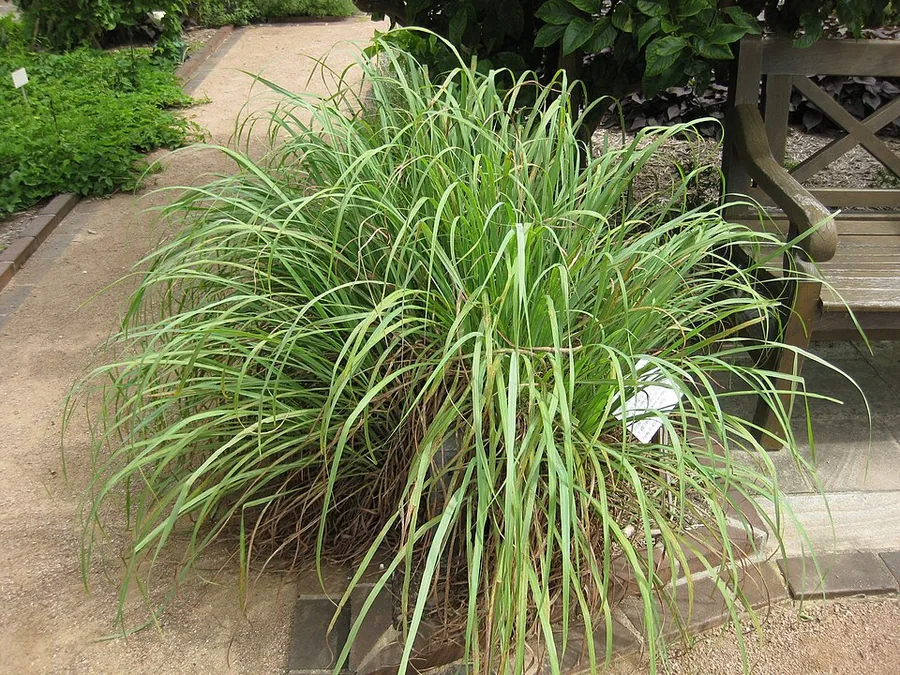
Lemongrass earns its keep on a sunny terrace or a bright kitchen sill, a tropical grass grown for the lemon-scented stalks that season so much Southeast Asian cooking. It rises into a full, upright clump of arching blades that can reach 3 to 6 feet, an easy vertical note beside a doorway or at the back of a container grouping. Walk past it and a clean lemon scent lifts into the air, the kind that makes a patio feel like somewhere you want to linger.
As a tropical, it belongs to warm rooms and warm months. In the mild winters of zones 9 to 11 it stays outdoors and reads as a permanent part of the garden. Anywhere colder, it slips neatly into the seasonal rhythm of a home, grown as an annual or kept in a handsome pot that comes inside as a fragrant houseplant once the first frost threatens.
It asks little of a busy household beyond sun, warmth, and water, which makes it an easy companion to a daily routine. Keep the soil moist, feed it through the growing season, and a single division fills into a generous clump within a few months, ready to anchor a corner or a cluster of pots. Neglect its water or leave it out in a frost, though, and the blades brown and the clump stalls, dimming the look it brings to a space.
Care
The short version: set it in full sun, keep the soil evenly moist and never bone dry, give it plenty of warmth, and feed it monthly through the growing season, then bring it indoors before frost in cold climates.
Light
Lemongrass wants full sun, so give it the brightest, most open spot a room or terrace offers and it grows lush and upright. It tolerates a touch of afternoon shade, but a shadier position thins the clump and softens the lemon scent that makes it worth having near a seating area.
Water
Keep the soil evenly moist and never let the pot dry out fully, since this thirsty tropical grass depends on a steady supply. Water every 2 to 4 days in warm weather, more in heat or in a container on a sunny terrace, and mist the blades where the indoor air runs dry.
Soil
Plant it in fertile, loamy soil that drains well yet holds moisture, enriched with organic matter so a container stays lively all season. It is relaxed about acidity, content across a pH of 5.0 to 7.5, which makes potting mixes an easy fit.
Temperature
It settles happily into the warm range of 50°F to 95°F (10°C to 35°C) and grows fastest at the upper end, thriving in the same warmth a lived-in home offers. Growth eases as it dips toward 50°F, and a frost ends the display, so keep it clear of cold porches and drafty doorways.
Humidity
Coming from humid tropics, lemongrass likes the air on the damp side, around 50% to 80%, a level that suits a bright bathroom or kitchen. In dry rooms or under winter heating, mist the blades or set the pot on a humidity tray to keep the tips from browning.
Feeding
Lemongrass is a hungry grass that rewards a monthly feed through spring and early fall with full, upright foliage. Reach for a balanced soluble fertilizer on the higher side for nitrogen, the nutrient behind all that leafy growth that gives a pot its presence.
Pruning
Trim off any dead or brown outer leaves to keep the clump looking sharp in its spot, and harvest the thick outer stalks by cutting them at ground level. In cold climates, cut the foliage back before the clump moves indoors for the winter.
Repotting
Repot once a year and divide the clump every 1 to 2 years, since it fills a container fast and can outgrow a display. When roots circle the pot, lift the clump upward, or send water straight through, it is time to split and refresh the soil.
Size & spacing
A mature clump stands 3 to 6 feet (90 to 180 cm) tall and spreads 24 to 35 inches (60 to 90 cm) across, a strong upright presence for a corner or a container cluster. Give it that footprint so air moves through the blades and the clump has room to reach its full, room-defining size.
When to plant
Lemongrass follows the warm season from start to finish and bows out at the first frost, so let it into the garden only when the weather has truly settled. Set divisions or rooted stalks out after the last spring frost, once nights hold above 50°F (10°C), and the clump fills in to give harvestable stalks about 3 to 4 months later. As the cold returns, lift it or carry it indoors, where it stays a fragrant part of the room through winter.
Northern hemisphere
Southern hemisphere
Typical months for a temperate climate: start earlier in warm zones, later where spring frosts linger.
- Plant: After the last spring frost, once soil and nights are warm (above about 10°C / 50°F)
- Harvest: Rarely flowers in cool climates; harvest the thickened stalks once the clump is established, about 3-4 months after planting
Hardiness
USDA hardiness zones: 9–11
Temperature: down to -7°C
Troubleshooting
Most lemongrass trouble surfaces on the blades first, whether from dry air, a fungus, or a cold snap, and it tends to dull the look of the planting before it does real harm. Catch the early signs and a quick response keeps the clump handsome and the corner it fills at its best. Match what you see below, then act while it still helps.
A lush clump turned brown and slumped after chilly nights
Lemongrass is frost-tender and begins to fade once the air slips below about 50°F (10°C). Trouble that arrives on the heels of a cold night belongs to the weather, not to any disease. Bring potted plants under cover before frost, cut away the spent foliage, and settle the clump in a warm, bright corner until the season turns.
Fix:
- Move potted plants indoors before frost
- Cut back damaged foliage and overwinter the clump in a warm, bright spot
A pot that drains in seconds, sluggish growth, and straining roots
A lemongrass clump grows fast and outgrows its container almost before you notice, going rootbound with too little soil left to hold water. A pot that drains in seconds and a clump that heaves itself above the rim tell the same story. Divide it into fresh soil or move it into a more generous vessel, and the planting comes back to full form.
Fix:
- Divide the clump and repot into fresh soil
- Move up to a larger container
Browned, brittle tips taking the polish off the foliage
A clump that browns at the tips is usually reading the room, since lemongrass came from humid tropics and prefers 50% to 80% humidity around it. A pot left to dry between waterings shows the same wear, and a hidden crust of leftover fertilizer salt will scorch the margins as well. Hold the soil evenly moist, mist through dry spells, and flush the pot now and then so the salts move on and the display stays fresh.
Fix:
- Keep soil evenly moist
- Raise humidity or mist regularly in dry climates
- Flush the soil to remove salts and reduce feeding
Orange speckling marring the green of the blades
Those marks are rust, a fungus that settles in when foliage stays wet and the clump grows too dense for air to move through. A quick rub of a blade settles the question, since the powdery spots lift onto your fingers. Clear away the marked leaves, thin the clump so it breathes, and water at the base to keep the foliage dry and the planting looking its best.
Fix:
- Remove and destroy affected leaves
- Improve air circulation around the clump
- Water at the base rather than overhead
Toxicity
At the table lemongrass is a safe, well-loved cooking herb, yet it asks for more care once pets share the room. The ASPCA lists it as toxic to cats, dogs, and horses, since the essential oils and cyanogenic glycosides in the grass upset the stomach. Cats deserve the closest attention, both because they handle the oils poorly and because a large mouthful of the fibrous blades can, in rare cases, block the gut, so place a pot where curious noses cannot reach.
Toxic to
Cats · Dogs · Horses · Rabbits · Livestock · Birds
Safe for
People
Cats Mild
The citral oils in the blades tend to leave a cat drooling, vomiting, and off its food. Cats process those oils poorly, so a concentrated lemongrass oil sits worst with them, and a cat that grazes a large mouthful of the fibrous grass can, in rare cases, face a blockage.
Dogs Mild
A dog that samples the leaves or stems usually comes away with a mild stomach upset, perhaps a little vomiting or a loose stool that clears on its own.
Horses Mild
A horse grazing the grass may feel a mild bout of stomach upset and little else at the modest amounts most would take.
Rabbits Mild
The essential oils that trouble cats and dogs can also unsettle a rabbit's delicate gut, so it belongs on the menu as an occasional nibble rather than a daily green.
Livestock Caution
Grazing animals take a small taste in stride, but the cyanogenic glycosides mount up in quantity, so a large feed of the foliage is the exposure to watch.
Birds Caution
Birds are sensitive to plant oils, and the citral in lemongrass may not agree with them, so pet birds are best kept clear of the leaves.
People Culinary herb safe
In the kitchen lemongrass is a cherished herb, and the tender stalk bases are safe to cook and eat. The blades are simply too tough and fibrous to enjoy rather than poisonous, so they are trimmed for flavor, not for safety.
Small culinary amounts of the stalk are typically low risk; concentrated lemongrass essential oil is the bigger hazard, especially for cats, which do not metabolize the oils well.
Helpline numbers

United States
ASPCA Animal Poison Control: (888) 426-4435 (fee applies)

United Kingdom
Animal PoisonLine: 01202 509000 (fee applies)

Australia
Animal Poisons Helpline: 1300 869 738
Varieties
Lemongrass comes to the home almost entirely as a single culinary type, the one that turns up in kitchens and garden centers alike.
West Indian lemongrass
This is the classic culinary type that graces most kitchens and gardens, carrying blue-green blades and swollen, lemon-scented stalk bases for cooking, and since it rarely sets seed it is passed along through divisions.
How to propagate
Lemongrass is among the simplest plants to multiply for a growing collection, whether you divide a clump you already keep or root a stalk brought home from the grocery store.
DivisionEasy
Spring, once growth resumes and temperatures are warm · 2-4 weeks to root and resume active growth
Lift a settled clump in spring as it stirs back to life, ease it into sections that each hold roots and shoots, and replant them without delay. In 2 to 4 weeks they take hold and resume growth, ready to fill a fresh spot. Rooted grocery-store stalks offer another easy start: stand them in water until roots appear, then pot them up.
Myths
A staple of the kitchen could hardly pose a risk to household pets.
A place at the table does not make it safe underfoot, since the ASPCA lists lemongrass as toxic to cats, dogs, and horses, and a chewed leaf brings on stomach upset. The genuine hazard is concentrated lemongrass oil, especially for cats, whose bodies cannot break the oils down well.
Lemongrass is hardy enough to carry a garden through a cold winter outdoors.
It is a frost-tender tropical that only overwinters outdoors in zones 9 to 11. Anywhere colder, grow it as an annual or lift the clump and keep it indoors until the warmth returns.