Herb · Lamiaceae
Peppermint
Mentha × piperita
Give it steady moisture and a pot to call its own, and peppermint sets fresh leaves on the counter all season.
Full sun
Every 2–4 days
80–90 days
USDA 3–8
Overview
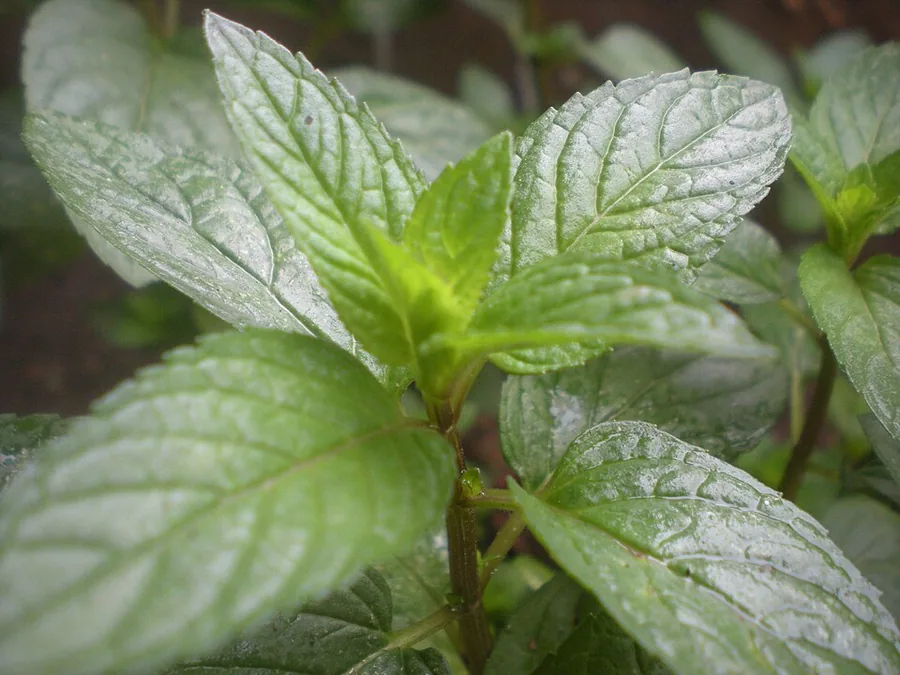
Peppermint is a hardy perennial herb, a natural cross between watermint and spearmint, and one of those plants that quietly earns its keep in a home. A pot of it on a sunny kitchen sill turns an ordinary counter into something that smells of cool menthol every time a leaf is brushed, and it keeps tea and cooking within arm's reach. It settles happily into full sun to partial shade, and its hardiness down to USDA zone 3 means a patio pot carries on through cold winters.
What makes peppermint such an easy companion for daily life is how freely it grows. Given rich, damp soil it reaches out on underground and surface runners, filling whatever it is offered until a modest pot becomes a lush, brushing-past presence by the door. That same energy asks for a boundary in an open bed, so most homes keep it composed in a container from the start, where it reads as generous rather than unruly.
Because it is a sterile hybrid, peppermint will not come true from seed, so a division or a cutting starts the next pot, and it takes to both with almost no effort. A single healthy plant can dress a windowsill, edge a path, or line a row of matching pots, folding into the rhythm of the home with very little fuss.
Care
The short version: full sun to part shade, soil kept evenly moist and never bone dry, and a handsome pot or buried barrier to keep the runners composed.
Light
Peppermint is happiest in full sun, yet it takes partial shade with ease, which suits a spot that catches only part of the day where summers turn hot and dry. More sun deepens the flavor, while a little shade helps the soil hold the moisture the plant leans on.
Water
Keep the soil consistently moist and never let it dry out, since a thirsty peppermint wilts and its flavor fades. Plan on watering every 2 to 4 days, and more often for a pot on a warm sill or through hot, dry weather.
Soil
Set it in rich, moisture-retentive loam with plenty of organic matter mixed through. A pH between 6.0 and 7.0 suits it well, and soil that holds moisture without waterlogging keeps the leaves coming for the kitchen.
Temperature
Peppermint is remarkably tough, riding out anything from -29°F to 84°F (-34°C to 29°C). It dies back in winter and returns from the roots each spring, so a patio pot can keep its place year after year.
Humidity
Average humidity around 40% to 70% keeps the foliage looking lush on a sill. Good airflow counts for more than the exact figure, since stale, crowded air is what invites rust and mites.
Feeding
Feed lightly through spring and summer with a balanced fertilizer or a little compost or aged manure. Go easy on nitrogen, because too much grows soft leaves with weaker oils and less of the flavor a kitchen pot is grown for.
Pruning
Pinch and harvest the stem tips often to keep the plant bushy and shapely rather than leggy. Cut off the flower spikes to keep the leaves tasty, and shear the whole plant back hard after it blooms to refresh the foliage.
Repotting
Peppermint fills a pot fast, so repot it every 1 to 2 years, or sooner if roots circle the container, leaves shrink, or runners push out the drainage holes. Divide it as you go to keep the display vigorous.
Size & spacing
Plants reach 12 to 35 inches (30 to 90 cm) tall and spread 1.5 to 4 feet (45 to 120 cm) wide by runner. Give each one room, or better yet a pot of its own, so the spread stays graceful and in scale.
When to plant
Peppermint is tough and cold-hardy, so its season sits gently in the calendar next to fussier crops. Set out divisions or rooted cuttings in spring once the last frost has passed, then gather leaves right through the growing season, pinching off the flower spikes as they form to keep the pot looking full and the foliage at its best.
Northern hemisphere
Southern hemisphere
Typical months for a temperate climate: start earlier in warm zones, later where spring frosts linger.
- Plant: Spring, after the last frost, from divisions of runners or rooted stem cuttings
- Harvest: Harvest leaves throughout the growing season; pinch off flower spikes (summer bloom) to maintain leaf quality
Hardiness
USDA hardiness zones: 3–8
Temperature: down to -40°C
Troubleshooting
Peppermint is an easygoing houseguest, so most of its off days trace back to damp, crowded growth or its own habit of wandering past its pot. Notice the early signs on the leaves or along the edges of a bed and a small intervention keeps the planting looking its best. Match what you see below, then act while it still helps.
Wilting and dieback confined to a single side
Verticillium wilt works quietly from the soil, closing off the plant's inner channels, so a container that once framed a sunny sill starts to slump on one side and slide further as the season warms. Slice a fading stem and the brown streaking inside tells the story. There is no saving it, so retire the planting, clear it away, and begin again with healthy stock in clean soil, choosing a fresh spot rather than the one where the trouble began.
Fix:
- Remove and destroy affected plants
- Do not replant mint or other susceptible crops in the same soil
- Plant resistant mint stock in fresh, uninfested soil
Powdery orange freckling on the undersides of the leaves
When a windowsill pot starts to look tired, the culprit under the leaves is often mint rust, a fungus that settles in wherever the foliage stays damp and the stems grow shoulder to shoulder. Lift off the spotted leaves the moment those raised specks appear, then give the planting some breathing room by thinning the stems and watering low, at the soil rather than over the top. A patch that has gone too far can be cut right back and cleared, and it returns looking fresh again.
Fix:
- Remove and destroy infected foliage immediately
- Improve air circulation by thinning crowded stems
- Avoid overhead watering and wetting foliage
- Cut affected plants to the ground and dispose of debris in severe cases
A once-tidy clump colonizing the entire bed
The wandering habit is runner spread, the very trait that makes peppermint feel so generous and, left loose in a border, so unruly. Runners travel below the surface and across it, raising fresh shoots wherever they arrive, so a composed clump can crowd out the planting around it within a season or two. The elegant answer is a boundary: a handsome pot, a buried bottomless container, or a deeply edged bed keeps the plant a feature rather than a takeover.
Fix:
- Grow in containers or buried barriers to confine roots
- Regularly dig out and remove escaped runners
- Edge beds deeply and monitor margins each season
A mature planting grown bare and woody at the center
Over the years even a well-placed planting turns into a congested, woody clump, its heart gone bare and tired while matted runners circle the rim. Lift it and the crowding is plain. A refresh every 2 to 3 years restores the look: divide the plant, set aside the woody center, replant the strong outer pieces, and work a little compost into the fresh soil so the display comes back full and lush.
Fix:
- Divide the clump every 2-3 years
- Discard old woody center and replant vigorous outer divisions
- Refresh soil with compost at replanting
A dull, speckled cast to the foliage with delicate webbing
A pot left in a hot, dry corner soon loses its polish, and that dusty, speckled look with a trace of webbing is the calling card of spider mites. Hold a leaf over white paper, tap it, and the tiny movers give themselves away. A firm rinse under the tap resets the plant, a treatment of insecticidal soap or horticultural oil on the leaf undersides finishes the job, and keeping the pot well watered restores the fresh, healthy look a kitchen herb is meant to bring to a room.
Fix:
- Spray foliage with a strong jet of water to dislodge mites
- Apply insecticidal soap or horticultural oil to undersides of leaves
- Increase humidity and keep plants well watered
Toxicity
Peppermint is a kitchen herb, so its leaves are perfectly safe for people to eat and to brew, which is much of its charm at home. For pets the story shifts: the essential oils make it a mild hazard to cats, dogs, and horses, bringing on vomiting or diarrhea if they eat much, and concentrated peppermint oil is far more dangerous than the plant. Keep grazing animals away from large stands, and keep the oil away from cats entirely.
Toxic to
Cats · Dogs · Horses · Rabbits · Livestock · Birds
Safe for
People
Cats Mild
A single nibble from a curious housecat usually passes without event, though a real mouthful can bring vomiting and diarrhea from the essential oils. Cats are the most sensitive here, since they lack the liver enzymes to break those oils down, which makes concentrated peppermint oil the true concern in a home. Keep that oil out of their reach completely.
Dogs Mild
A few leaves rarely trouble the family dog, but one that grazes a whole plant can end up with vomiting and diarrhea. Note any drooling or a lost appetite, and keep the concentrated oils tucked well out of reach on a high shelf.
Horses Mild
A little in the pasture is usually taken in stride, though a horse that eats it in quantity can suffer an upset stomach and loose droppings from the oils. Keep them away from large stands to be safe.
Rabbits Mild
The same aromatic oils that unsettle cats and dogs can trouble a house rabbit's delicate gut, so this is not one to leave out for free grazing. A leaf or two now and then is plenty, with a glance for any soft stool.
Livestock Mild
Goats, sheep, and cattle can browse a little of the aromatic foliage without harm, yet a large helping may bring on digestive upset. Treat it as an occasional taste rather than everyday feed.
Birds Caution
There is little firm data on mint and pet birds, and the potent oils are reason enough for a careful hand. Leave it off the regular menu, and keep any essential oil well clear of the cage.
People Safe
For the household cook, peppermint is a gift: the leaves are lovely fresh, dried, or steeped as tea. The one caution is the concentrated essential oil, which runs far stronger than the plant and is not meant for casual use.
Concentrated peppermint essential oil is a significantly greater hazard, especially to cats, which lack the liver enzymes to metabolize it; keep essential oils away from pets.
Helpline numbers

United States
ASPCA Animal Poison Control: (888) 426-4435 (fee applies)

United Kingdom
Animal PoisonLine: 01202 509000 (fee applies)

Australia
Animal Poisons Helpline: 1300 869 738
Varieties
Peppermint comes in a few named types that differ mostly in coloring and the strength of their menthol, each lending a slightly different note to a cup or a dish. These are the ones worth knowing.
Chocolate mint
Its dark-tinged stems and warm chocolate-peppermint scent make it the one to reach for when the day calls for a dessert garnish or a pot of tea.
Black peppermint
Purple-tinged stems and dark foliage mark this bold, high-menthol type, the choice when the kitchen wants the strongest, most pronounced flavor.
White peppermint
Greener stems and paler leaves give this gentler one a milder, sweeter taste that suits a lighter, everyday cup.
How to propagate
Peppermint will not grow true from seed, but it is one of the easiest plants to multiply, whether you split a clump or root a few cuttings in a glass of water on the sill.
DivisionEasy
Spring or early autumn · 2 to 4 weeks
Division is the surest way to build up a peppermint collection, since this sterile cross will not grow true from seed. In spring or early autumn, lift the clump and part it into sections of rooted runner, then settle those pieces into fresh pots or a chosen corner. They find their feet and begin growing within 2 to 4 weeks.
Stem cuttingsEasy
Spring through summer · 1 to 3 weeks
Cuttings are just as effortless and give you plants true to the parent, ideal for filling a run of matching pots along a sill. Take 10 to 15 cm stems anytime from spring through summer and stand them in water or moist mix, a display in themselves on the counter. Roots appear in 1 to 3 weeks, and the new plant is ready to pot on.
Myths
You can grow true peppermint from seed.
Peppermint is a sterile cross of watermint and spearmint, so it sets little or no viable seed, and any seedlings that appear will not be true peppermint. The dependable way to keep the plant true is to propagate it vegetatively, by dividing the clump or rooting a cutting, which fits neatly into the rhythm of a growing home.
A herb at home in the kitchen must be equally gentle on pets.
A herb welcome in the kitchen is not automatically welcome in a pet's stomach. The ASPCA lists mint as toxic to cats, dogs, and horses, where the essential oils cause vomiting and diarrhea, and concentrated peppermint oil is far more dangerous, especially to cats that cannot break it down.