Houseplant · Marantaceae
Stromanthe Triostar
Stromanthe thalia 'Triostar'
A living splash of color for a bright corner, it earns its place with soft water, humid air, and gentle light.
Bright indirect
USDA 10–12
2–5 ft · 0.6–1.5 m
Overview
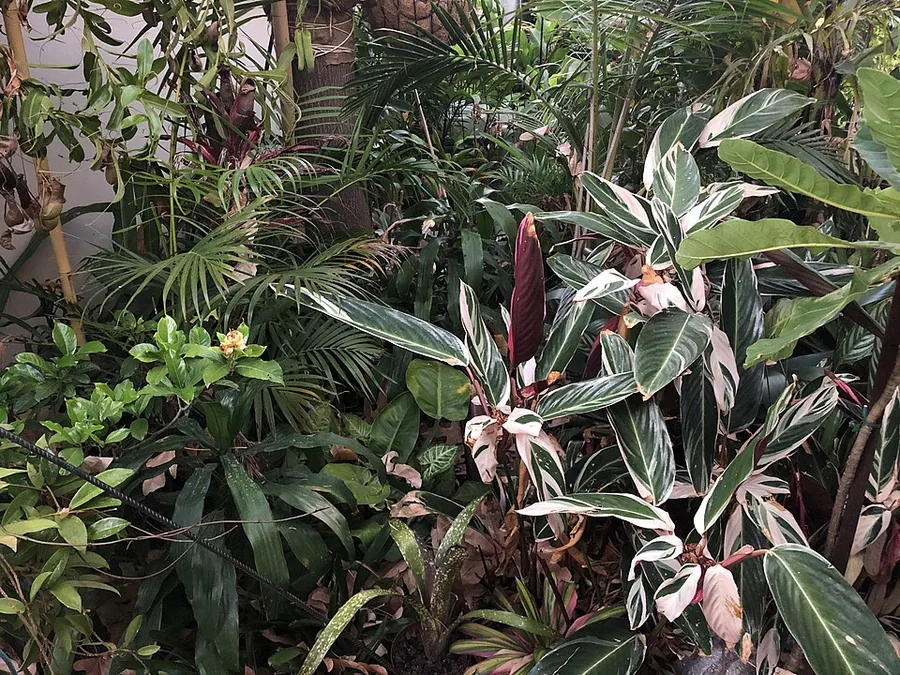
Few houseplants bring color to a room the way Stromanthe Triostar does, its upright leaves layered in green, cream, white, and pink over a quiet burgundy reverse. It reads as a piece of living decor, the kind of plant that turns a plain shelf or side table into a focal point. As a prayer plant it even keeps its own gentle rhythm, lifting its leaves by night and letting them fall open by day.
Place it where the mood suits its origins, a warm, humid, softly lit spot that echoes the Brazilian forest it comes from. A bright bathroom, a kitchen counter set back from the window's glare, or a plant-filled corner all give it the steady warmth and moisture it likes. It sets the tone for a relaxed, green interior, provided the room stays clear of harsh sun and dry drafts.
It works beautifully as the centerpiece of a grouped arrangement, its clump of upright stems adding height among lower, calmer foliage. Fold its simple routine into your week, a check on the water, light, and humidity, and it rewards the attention with fresh tricolor leaves that keep the whole display feeling alive.
Care
The short version: style it in bright indirect light well away from direct sun, water it with soft filtered water, and keep the soil evenly moist. Hold the humidity above 60%, keep the room warm, and feed lightly through the growing season.
Light
Give it a bright, indirect spot, the soft light of an east or north window. Direct sun will bleach and scorch the pale variegation and steal the very color you bought it for, while a dim corner mutes it, so filtered light or a sheer curtain keeps the display at its best.
Water
Keep the soil evenly moist but never soggy, generous while it is growing and lighter in winter. The detail that protects its looks is the water itself, since fluoride, chlorine, and salts in tap water brown the leaf edges, so filtered, distilled, or rainwater is worth the small effort.
Soil
Set it in a rich, organic mix that stays moist yet drains cleanly, so the roots sit neither parched nor waterlogged. It asks little of pH and settles happily anywhere from 6.0 to 8.0.
Temperature
Keep the room comfortably warm, never below about 59°F (15°C). This is a tropical plant with no taste for a chill, so a spot away from cold windows and drafty doorways keeps it looking its best through winter.
Humidity
Humidity is what separates a lush display from a browning one. The plant wants 60% or more, and dry indoor air is the usual culprit behind crisp leaf edges. A humidifier, a pebble tray, or a cluster of plants in one corner all lift the moisture around it.
Feeding
Feed lightly through the spring and summer season, about every 2 to 3 weeks, with a low-nitrogen liquid fertilizer. Set the feeding aside in the colder months, when the plant slows and rests.
Pruning
It needs no real pruning to stay handsome. Simply remove spent or damaged leaves at the base as they appear, and the clump keeps its polished, upright shape.
Repotting
Refresh it every 1 to 2 years in spring, once the roots circle the pot, water drains too fast, or the clump looks crowded in its container. That same moment is the natural time to divide it, with the plant already lifted out.
Size & spacing
Indoors it stands as an upright clump of 2 to 5 feet (60 to 150 cm) tall and 2 to 3 feet (60 to 90 cm) across, enough presence to anchor a corner. Leave a little space around it so the arrangement breathes and air moves through the leaves.
Troubleshooting
When a plant this decorative starts to look tired, the room usually has something to do with it, and the leaves tell the story first. A glance at the edges, the variegation, and the soil will place the problem, which almost always traces to water, air, or light. Match the look below, then adjust the setting rather than chasing the symptom.
A wilting plant with soft stems and sour soil
Soil left soggy and airless brings on root and stem rot, and a sour smell rising from the pot confirms it. Lift the plant, cut away every soft, brown root and stem, and settle it into fresh, well-draining mix. From there, water only enough to keep the soil evenly moist and be sure the pot drains freely.
Fix:
- Unpot and remove all soft, rotten roots and stems
- Repot into fresh, well-draining mix
- Water only to keep evenly moist, never soggy, and ensure drainage
Fine webbing and a dusty look on the leaves
A warm, dry room invites spider mites, which settle on the leaf undersides and joints and leave a stippled, dusty cast over the foliage. Rinse the leaves and wipe the undersides, then lift the humidity to make the setting less welcoming. Treat with insecticidal soap or horticultural oil and repeat as the label directs.
Fix:
- Rinse foliage and wipe undersides
- Raise humidity, which discourages mites
- Treat with insecticidal soap or horticultural oil and repeat per label
White cottony clusters in the leaf joints
Those tufts of white cotton are mealybugs, often trailing a sticky film along the stems. Touch each one with a cotton swab dipped in isopropyl alcohol, then follow with insecticidal soap or horticultural oil. Keep the plant apart from the rest of the collection and treat again, since a few survivors will bring the colony back.
Fix:
- Dab insects with isopropyl-alcohol-moistened swab
- Treat with insecticidal soap or horticultural oil
- Isolate the plant and repeat treatments
Brown, crisp edges spoiling the leaves
When the water is the problem, this plant lets the room know through its edges. Fluoride, chlorine, and salts from tap water settle in the leaf and scorch the margins and tips, leaving the centers green. Reach for filtered, distilled, or rainwater, keep the humidity above 60%, and never let the soil dry out, since dry air and thirsty roots deepen the marks.
Fix:
- Switch to filtered, distilled, or rainwater
- Raise humidity to 60%+ with a humidifier or pebble tray
- Keep soil consistently moist, never bone-dry
- Trim badly browned edges for appearance only
Bleached patches across the cream and pink
The pale cream and pink areas hold little chlorophyll, so a sunny window burns them first and dulls the color that makes the plant a centerpiece. Watch for washed-out, crisp patches on leaves caught in the midday glare. Move it into bright indirect light or an east or north window, and temper any strong sun with a sheer curtain.
Fix:
- Move to bright indirect light or an east/north-facing aspect
- Filter harsh direct sun with a sheer curtain
Toxicity
For a home shared with pets, this is an easy plant to live with: a non-toxic prayer plant with no poison recorded in its leaves or stems. NC State Extension lists the species as pet friendly, so it can sit within reach of a curious cat, dog, or rabbit without worry. It is decor, not a snack, and a large mouthful of leaf might bring a brief stomach upset, but nothing about it is dangerous.
Safe for
People · Cats · Dogs · Horses · Rabbits · Livestock · Birds
Cats None
A cat can share the room with it safely. NC State tags this prayer plant as pet friendly and lists no toxin, so a curious nibble is nothing to fret over.
Dogs None
It sits comfortably in a dog's home. The foliage holds no poison, though a dog that makes a meal of any houseplant might have a passing stomach upset from the fibre.
Horses Safe
No toxicity is recorded for horses. It lives on a shelf indoors rather than in a paddock, but a stray leaf would do no harm.
Rabbits Safe
Rabbits are safe in its company. The leaves carry no toxin, so a stolen bite will not hurt them.
Livestock Safe
Nothing in the plant threatens grazing animals, and as indoor decor it rarely meets them.
Birds Safe
Pet birds can perch nearby without concern. No harmful compound is documented in the leaves or stems.
People Safe
It suits any room in the house. Grown for looks rather than the table, it holds no toxin, so children are in no danger near it.
As with any houseplant, discourage pets from chewing foliage; ingestion of plant fibre can still cause mild, transient GI upset
Varieties
Triostar is the name that draws the eye, but it is not the only Stromanthe worth a place on the shelf. Here are the two to know.
'Triostar' (syn. 'Tricolor')
Green leaves streaked with white, cream, and pink sit above undersides washed a solid pink to burgundy.
'Magic Star'
Magic Star trades the pink for creamy white speckles over green, finished with deep maroon undersides.
How to propagate
There is one graceful way to multiply this plant for more rooms or a gift, and it fits neatly into the day you repot a clump that has outgrown its container.
DivisionModerate
Spring, before new growth starts · Several weeks to a few months
To make more for another room or a gift, divide the rhizome clump in spring, just before new growth appears. Pot up each division and keep it warm, humid, and evenly moist while it finds its feet. Allow it time, since a division can take several weeks to a few months to root in and grow on its own.
Myths
Stromanthe Triostar is just another Calathea.
It often arrives at the shop tagged 'Calathea Triostar', yet it belongs to a genus of its own, Stromanthe. The accepted name is Stromanthe thalia, with Stromanthe sanguinea as a synonym, which is why the RHS files it as Stromanthe sanguinea 'Triostar'.