Houseplant · Asparagaceae
Cast Iron Plant
Aspidistra elatior
Set it in the darkest corner of the house and the cast iron plant carries on without complaint.
Low light
50–68°F · 10–20°C
USDA 7–11
1–3 ft · 0.3–0.9 m
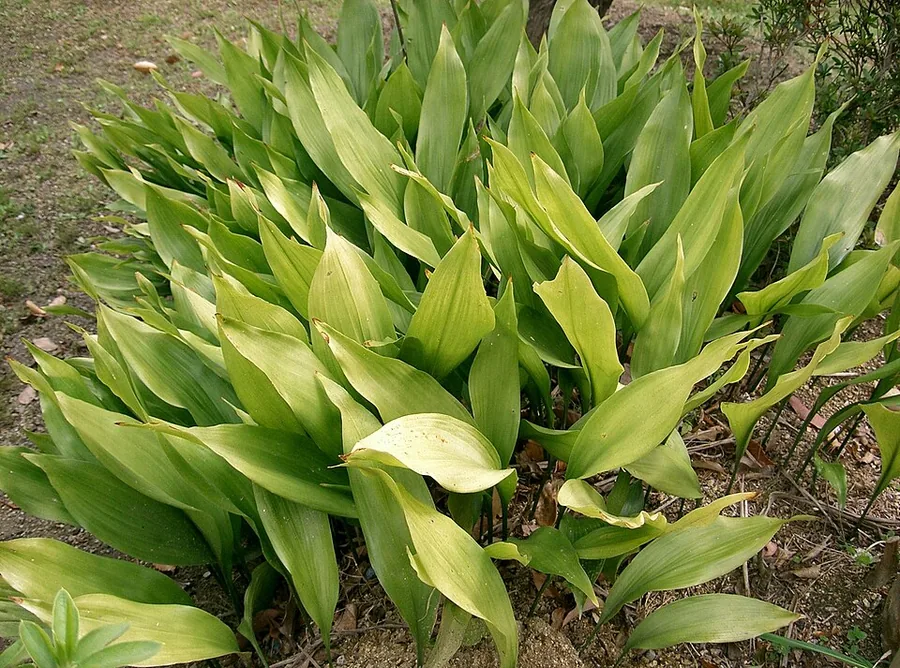
Overview
The cast iron plant lives up to the name it carries. Low light, dry air, a forgotten watering, a wide swing in temperature, it takes all of it, which is why Victorian parlors leaned on it and why it still earns a place in a dim hallway or an overlooked corner today. This is a slow growing evergreen from the lily-of-the-valley side of the asparagus family, with roots on the woodland floor of southern Japan.
In the home it reads as a calm, upright clump of leathery dark green leaves standing straight from the soil, the kind of quiet, architectural shape that anchors a room without asking for attention. There is no bloom to anticipate, since the small cup-shaped flowers sit at soil level and slip by unnoticed, so the appeal here is steady presence and an easy temperament that suits a busy household.
For a home shared with animals, the best part is that the cast iron plant is non-toxic and pet-safe. The ASPCA lists it as safe for cats, dogs, and horses, so it can go wherever a curious nose might wander, no second thoughts required.
Care
The short version: set it in low to medium indirect light, pot it in well drained soil, water only once the top few inches have dried, and otherwise let it keep its own quiet company.
Light
This is a plant at home in the shadows, content anywhere from deep shade through to bright indirect light. The one thing to spare it is direct sun, which bleaches and scorches the foliage. A north-facing window or a quiet shady corner suits it beautifully.
Water
Wait until the soil has dried down 2 to 3 inches (about 5 to 8 cm), then water until it runs freely and never let the pot rest in a saucer of water. Ease off further through winter while the plant rests. Soggy soil is the leading cause of root rot, so leaning toward the dry side is always the safer call.
Soil
Settle it into a rich, well drained potting mix with a little peat worked in. Sandy, loamy, or clay soils are all manageable, but soil that holds water is not, so drainage is the thing that counts most.
Temperature
Everyday room warmth is all it asks, with a comfortable band of 50°F to 68°F (10°C to 20°C). It rides out cool spells better than most houseplants, though it should be kept well clear of hard frost.
Humidity
Content in low humidity, it asks for nothing in the way of misting or trays, part of why it endures so easily indoors. The dry household air that wears on fussier plants leaves it unbothered.
Feeding
Offer a light feed of general houseplant fertilizer about once a month from spring to late summer, then set it aside for the rest of the year. Variegated forms prefer leaner fare still, since rich soil dulls their markings.
Pruning
There is next to nothing to do here. Simply snip away any damaged, yellowed, or scorched leaves at the base as they show up to keep the clump looking its best.
Repotting
Given how slowly it grows, it can stay put in the same pot for several years, moving up a single size only when roots begin to slip through the drainage holes. A snug pot actually suits it.
Size & spacing
A settled clump stands about 1 to 3 feet (30 to 91 cm) tall and fills out to 12 to 24 inches (30 to 61 cm) across, growing slowly enough to keep its shape for years on end.
Troubleshooting
Few plants ask for so little, and the rare trouble that does turn up nearly always comes down to too much sun or too much water. Catch the first signs on the leaves and the fix is simple, long before it touches the look of the room. Match what you see below, then act.
Yellowing leaves and a soft, mushy base
A pot left to sit wet invites root rot, the rare failing that can undo even this hardy companion. The base goes soft, the roots turn brown and mushy, and the cause almost always sits in the saucer as leftover water. Hold off watering until the mix dries, then lift the plant, cut the spoiled roots away, and settle it into fresh, free draining mix.
Fix:
- Stop watering and let the soil dry out
- Unpot, cut away rotten roots, and repot in fresh well-drained mix
- Discard standing water from the saucer
Webbing, speckling, or sticky deposits across the foliage
Faint stippling and webbing across the leaves give away spider mites, which favor warm, dry rooms, while still tan bumps signal scale and cottony white tufts mean mealybugs. Wipe the foliage clean, pick off whatever shows, then treat with insecticidal soap or horticultural oil. Set the plant apart from the rest of your greenery until the visitors clear out.
Fix:
- Wipe leaves and remove visible pests
- Treat with an appropriate insecticidal soap or horticultural oil
- Isolate the plant until the infestation is controlled
Sun-marked foliage with faded or browned patches
Of all the slights this plant forgives, sun scorch is the one it won't. A move into a brighter spot lets direct light bleach and burn the foliage, leaving a tired look in an otherwise composed corner. Return it to filtered light or shade, then trim the worst leaves at the base.
Fix:
- Move the plant out of direct sun to a low-light, filtered, or shaded position
- Remove badly scorched leaves at the base
Brown edging creeping along the leaf tips
When the tips brown while the rest stays green, the usual culprit is a buildup of fertilizer salts in the pot, though a long stretch of bone dry soil can leave the same mark. Pause the feeding and run plenty of plain water through to rinse the salts away. Trim the tips so the plant reads clean again, then return to a light, monthly routine in the growing season.
Fix:
- Stop fertilizing and flush the pot with plenty of plain water to leach out salts
- Trim browned tips for appearance
- Resume only light, monthly feeding in the growing season
Cream variegation giving way to solid green
Those cream and white markings slip away when a variegated plant sits in rich soil or too little light, and the fresh growth arrives a flat solid green. The cultivars hold their patterning on a lean, nutrient-poor diet, so go easy with the feed. Offer them steady, indirect light rather than parking them in the dimmest spot.
Fix:
- Grow variegated cultivars in lean, nutrient-poor soil and avoid heavy feeding
- Provide adequate (but not direct) light rather than very deep shade
Toxicity
A relief for households with pets and small children: the cast iron plant is non-toxic across the board. The ASPCA lists it as safe for cats, dogs, and horses, and the leaves hold nothing harmful for other animals or for people. It can settle into any room without a worry about a stray nibble.
Safe for
People · Cats · Dogs · Horses · Rabbits · Livestock · Birds
Cats None
On the ASPCA's list, the cast iron plant counts as non-toxic to cats, so a passing nibble carries no poison. A sensitive stomach might protest at any tough mouthful, yet there is nothing here that should keep you up at night.
Dogs None
The ASPCA marks this one non-toxic to dogs as well, so they are perfectly fine sharing the room. Those leathery leaves rarely tempt a chew, and no harmful compounds are in play.
Horses None
Horses get the same all clear from the ASPCA, with no toxicity expected. A grazing horse has nothing to dread from the foliage.
Rabbits None
Rabbits run no risk of poisoning here, since the plant holds no known toxins. The thick leaves are unlikely to catch much of their interest in any case.
Livestock None
Goats, sheep, cattle, and other grazers stay safe around it. Nothing in the leaves triggers the stomach or nerve trouble that the truly toxic plants bring.
Birds None
A pet bird can keep company with it freely, as the plant carries no compounds that harm them. A pecked leaf does no damage.
People None
Around children the cast iron plant stays entirely safe, with no poisonous parts to fret over. It was never meant for the plate, but a stray taste leaves no harm.
Varieties
Most cast iron plants keep to plain glossy green, but a few cultivars trade a little of that toughness for striped or spotted leaves with more visual interest. These are the ones most likely to turn up at the nursery.
'Variegata'
Creamy white stripes run irregularly through its leathery dark green leaves, a look that only stays true when the plant lives in lean, nutrient-poor soil.
'Milky Way'
Broad lance-shaped dark green leaves wear a scatter of small white spots that read like flecks of starlight.
'Big Spotty'
A bolder spotted selection noted by Clemson, wearing larger markings across the foliage.
'Goldfeather'
One of the variegated selections on the UF/IFAS books, noted there for patterned foliage.
'Snow Cap'
Another variegated form on record with UF/IFAS, valued for its pale markings.
How to propagate
There is a single dependable way to grow your collection of cast iron plants, and it asks for nothing but a measure of patience.
DivisionEasy
Spring and early summer, while actively growing · Several weeks to a few months (slow)
To add more, the cast iron plant responds best to dividing the clump in spring or early summer while growth is on. Lift it, work the matted rhizomes gently apart, and leave two or more leaves on every new piece. Let patience do the rest, since the divisions are slow to settle and need anywhere from several weeks to a few months to take hold.
Myths
A plant this tough can take direct sun.
The cast iron name comes from shrugging off shade, neglect, and a wide swing in temperature, but direct sun is the one weakness in its armor. Strong light bleaches, browns, and scorches the foliage. Keep it in bright indirect light through to deep shade.
It simply refuses to die, so generous watering can do it no harm.
Drought and on-and-off watering are taken in stride, which is exactly where the legend started. Trouble waits at the opposite end. Overwatering and soggy soil cause root rot, and that is the main way the plant actually dies.