Vegetable · Fabaceae
Fava Bean
Vicia faba
Set them into cold spring soil, give them sun and steady water, and these handsome broad beans crop early while the garden is still cool.
Full sun
Every 5–7 days
75–90 days
USDA 3–8
Overview
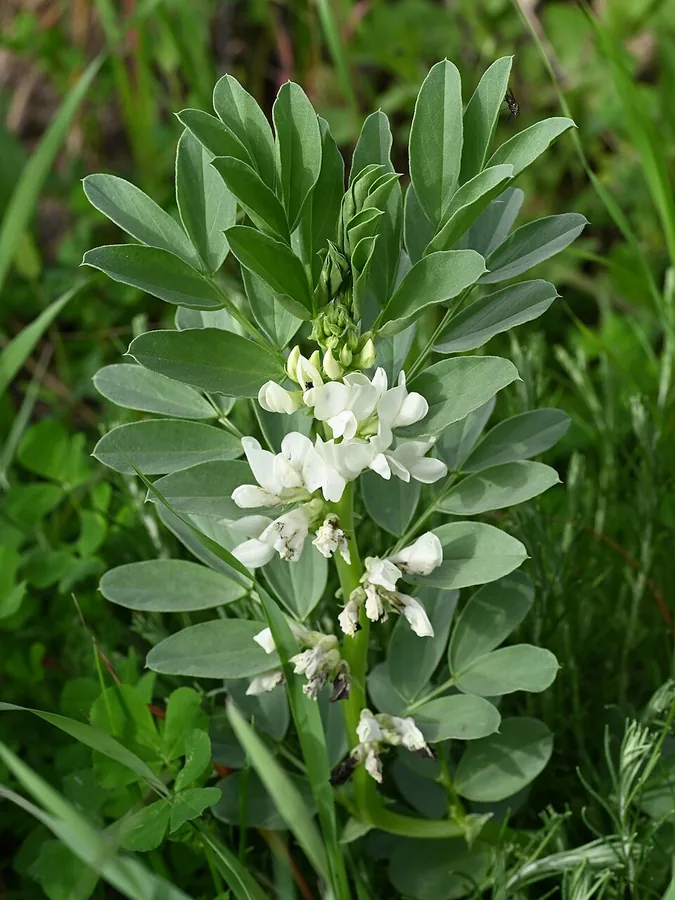
Few crops carry the quiet pedigree of the fava bean, a cool-season legume that has anchored kitchen gardens since antiquity. Standing tall and upright, it gives the early-season plot real architecture, a green vertical line behind lower beds and along a sunny path. Gardeners call it the broad bean as well, a name that has followed it through centuries of cottage gardens and market plots.
What gives the fava its place in the gardening calendar is an affection for the cold. It goes into the ground while most beans are still weeks from the bed, either in early spring once the soil is workable or in fall where winters stay mild, filling the lull when little else is growing. As a nitrogen-fixing legume, it quietly improves the ground it stands in and leaves the plot in better shape for the season that follows.
It suits an unfussy, seasonal way of gardening, asking little and rewarding early. Give it good ground, keep the soil evenly moist through bloom and pod fill, and pass an eye over the new tips for black aphids on your morning round. Time the sowing so flowering meets cool weather, and the harvest of tender pods and beans carries the kitchen from late spring into early summer.
Care
The short version: give it full sun and cool weather, deep well-drained soil generous with organic matter, and steady moisture through flowering and pod fill, with little feeding needed since the plant fixes its own nitrogen.
Light
The fava crops best in full sun, the open, bright corner of the plot, though it will accept a little partial shade and still set pods. Generous light keeps the tall stems upright in the bed and the flowering full.
Water
Keep the soil evenly moist through germination, flowering, and pod fill, which in practice is a deep drink every 5 to 7 days. Avoid the swing between bone dry and waterlogged, and ease back in cold, wet soils, where standing water rots the seed before it can take.
Soil
Give it deep, well-drained loam worked through with organic matter, the rich foundation of a productive bed. A pH from 6.0 to 7.5 suits it, and the deep, free-draining ground lets the strong taproot settle in.
Temperature
This is a true cool-season crop, hardy down to about 14°F (-10°C) and at its best below 77°F (25°C). Heat at flowering is the one thing to plan around, since it sheds the blossoms before pods can form.
Humidity
Ordinary outdoor air at 40% to 60% asks nothing of you, so there is no figure to manage. Air movement through the bed matters far more, because a crowded, damp planting invites chocolate spot.
Feeding
As a nitrogen-fixing legume, the fava feeds itself and rarely calls for extra nitrogen. On thin ground, work a little phosphorus and potassium into the bed at planting and leave the rest to the plant.
Pruning
Once the lowest pods begin to set, pinch out the soft growing tips, a single tidy gesture that takes from black bean aphids the tender shoots they favor and turns the plant's energy toward filling the pods.
Size & spacing
Plants rise 3 to 5 feet (90 to 150 cm) and hold a slim footprint of 12 to 18 inches (30 to 45 cm) in the bed. Allow each that room so air flows through the planting and chocolate spot finds little welcome.
When to plant
The fava thrives on the very cold that keeps most beans waiting, which makes it the opening act of the growing year. Sow it straight into the ground in early spring once the soil is workable, or in fall where winters stay mild, and the harvest of tender pods runs from late spring into early summer, before the heat draws the season to a close.
Northern hemisphere
Southern hemisphere
Typical months for a temperate climate: start earlier in warm zones, later where spring frosts linger.
- Plant: Direct-sow in early spring as soon as soil is workable, or sow in fall in mild-winter (zone 7+) climates for overwintering.
- Harvest: Harvest tender pods/seeds in late spring to early summer.
Hardiness
USDA hardiness zones: 3–8
Temperature: down to -40°C
Troubleshooting
Most of what troubles a fava shows up on the fresh growth at the top or on the lower leaves in a damp spell. A watchful morning round keeps a small matter from becoming a large one. Match what the planting is showing below, then step in while the gesture still counts.
Reddish-brown spotting that dims the leaves in wet spells
The rusty mottling spreading across the foliage is chocolate spot, a fungus that moves in when a planting sits cool, damp, and crowded, and it can darken whole leaves once it settles. The remedy is mostly about space and restraint: open the planting out for air to circulate, edit away the worst-marked leaves, and direct water at the soil rather than the canopy. Sound drainage and a measured hand with nitrogen keep it at bay.
Fix:
- Improve air circulation by wider spacing
- Remove and destroy badly affected foliage
- Avoid overhead watering
Black aphids settling on the soft new tips
When dark little colonies gather at the top of the plant, the visitors are black bean aphids, drawn to the tenderest new shoots. Their telltale calling cards are patrolling ants and a sticky, sooty sheen along the stems. A quick edit fixes it: nip out the worst tips, send the rest packing with a firm rinse of water, and keep insecticidal soap on the shelf for any colony that overstays its welcome.
Fix:
- Pinch off and destroy heavily infested growing tips
- Dislodge colonies with a strong water spray
- Use insecticidal soap on persistent infestations
A flush of bloom that never becomes a crop
A plant that looks the picture of health yet sheds its blossoms without forming pods is almost always telling you about heat during flowering. Favas keep cool-season company and let their flowers go when a warm spell arrives mid-bloom. Keep the soil evenly moist while the flowers are open, gather whatever pods do appear, and next season simply move the sowing date so flowering coincides with cooler weather.
Fix:
- Maintain even soil moisture during bloom
- Harvest existing pods promptly to encourage continued set
Toxicity
The fava sits comfortably in a household that shares its garden with cats, dogs, horses, rabbits, livestock, and poultry, since the plant is a food crop and safe for them all. For people, cooked beans are wholesome and nourishing, with one important exception: anyone with the inherited G6PD enzyme deficiency can suffer a serious blood reaction called favism from eating the beans or even breathing the pollen, and they should avoid the plant entirely.
Safe for
People · Cats · Dogs · Horses · Rabbits · Livestock · Birds
Cats None
A curious cat poses no problem here, since fava plants carry no poisoning risk and a stray nibble of leaf or pod means nothing at all.
Dogs None
A dog can share the kitchen garden without concern, as the ASPCA does not list favas as toxic. A greedy mouthful of raw beans is likely to pass as little more than gas or a softer stool.
Horses Safe
Horses take to fava foliage with no trouble at all, the very ease that gave the old name horse bean its place in the lexicon.
Rabbits Safe
Rabbits browse the leaves and tender pods without harm, though any new green is best introduced gently, as with all fresh forage.
Livestock Safe
Cattle, goats, and sheep take fava beans as feed and fodder, so the plant carries no real danger out in the field.
Birds Safe
Backyard poultry pick at the beans and greens with ease, and in some places favas are raised expressly as a bird feed.
People Safe
For most of us, cooked fava beans are wholesome, nourishing fare. The single true exception is anyone with the inherited G6PD enzyme deficiency, for whom a serious blood reaction called favism can follow from eating the beans or even breathing the pollen, so they must avoid the plant entirely.
Human food-safety note: people with the inherited enzyme deficiency G6PD (favism) can develop acute hemolytic anemia from eating fava beans or even inhaling the pollen. This is a human genetic-condition concern, not a pet toxicity or general toxicity issue.
Varieties
Many fava varieties have come and gone, yet a handful keep their standing in home gardens season after season. These are the names worth knowing.
Aquadulce
A very hardy long-pod type that earns its place when the plan is an autumn sowing left to overwinter in a mild climate.
Windsor
The classic broad, flat-seeded bean held in short pods, prized above all for the richness it brings to the table.
The Sutton
A compact dwarf that settles at about 12 inches (30 cm), a graceful fit for small beds and breezy, exposed corners.
Companions
Fava beans pair well with hungry crops that draw on the nitrogen they leave behind, and sit poorly next to onions and garlic, which many gardeners find hold legumes back.
Plant near
brassicas: As a nitrogen-fixing legume, fava beans can precede or accompany heavy-feeding brassicas that benefit from improved soil nitrogen.
Keep apart
onions and garlic (alliums): Alliums are commonly cited as poor companions for beans and other legumes.
How to propagate
Starting favas from seed is among the most undemanding pleasures in the garden, the seed going straight into the ground where the plant will live out its short season.
SeedEasy
Direct-sow in early spring as soon as soil is workable, or in fall in mild-winter climates. · 1 to 2 weeks to germinate in cool soil
Favas like to begin life exactly where they will stay, settling in quickly and resenting any move. Set the seeds about 2 inches (5 cm) deep into cool, workable ground at the front of spring, or sow in fall where winters stay gentle. They rise to meet the season in 1 to 2 weeks, even with a chill still in the soil.
Myths
Fava beans are toxic to everyone and unsafe to eat.
Cooked fava beans are a safe, nourishing pleasure for most people at the table. The genuine exception is anyone born with the G6PD enzyme deficiency, for whom a serious blood reaction called favism can follow from eating the beans or breathing in the pollen. The concern is an inherited human condition, never a poison residing in the plant itself.