Houseplant · Asparagaceae
Snake Plant
Dracaena trifasciata
Sculptural and all but indestructible, the snake plant wants bright light, dry soil, and otherwise a graceful neglect.
Bright indirect
Every 14–42 days
55–84°F · 13–29°C
USDA 10–12
Overview
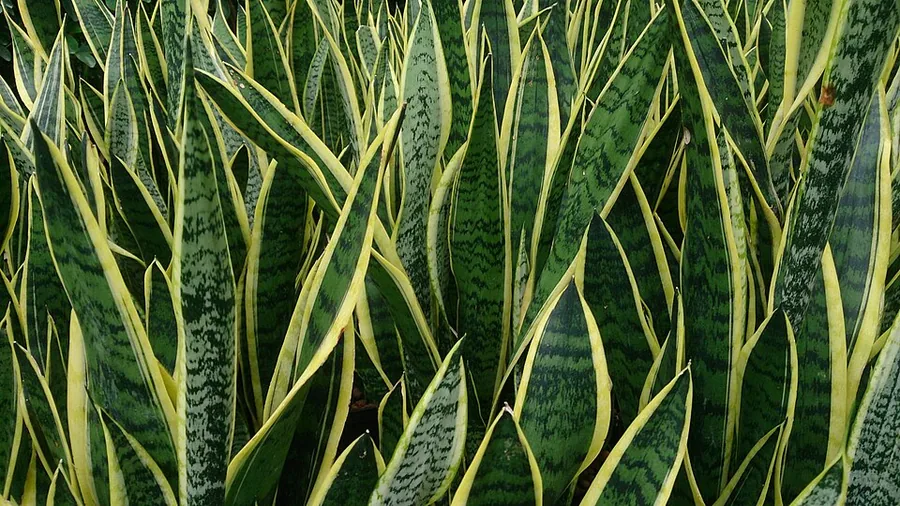
Few plants suit a forgetful household as kindly as this one. Its rigid blades climb straight from the pot in bands of bold green, lending any shelf a quiet architectural line while it endures the kind of inattention that undoes more delicate companions. A few years ago botanists shifted it from Sansevieria into the genus Dracaena, yet most growers still greet it by the older name.
Its easygoing nature rests on the way it manages water and light. Thick, succulent blades bank their own moisture, carrying the plant through long dry spells, and it settles in just as readily at a sunny window or in a shadowed alcove. Because its pace is slow, the silhouette stays composed for ages and asks for next to no tending.
Two cautions deserve a place before it joins your rooms. The blades hold saponins that trouble cats and dogs, which makes it an unwise pick where curious animals roam. And though it keeps its manners in a pot indoors, set outside in a warm region it can run wild through creeping underground rhizomes.
Care
The short version: give it bright indirect light, a gritty fast-draining mix, and a drink only once the soil has gone bone dry. Hold it above 55°F (13°C) and offer a light feed through the growing season.
Light
Set in bright indirect light, a snake plant looks its best, yet it endures low light, partial shade, and partial sun more gracefully than nearly any houseplant. The cost is tempo: a darker corner simply slows its progress. Spare it the harsh glare of direct afternoon sun, which leaves the blades scorched.
Water
More snake plants meet their end here than anywhere else, so lean toward thirst. Let the soil dry out completely before the next drink, which generally falls to once every 2 to 4 weeks while it grows and only every 4 to 6 weeks across winter. If you are uncertain, hold off.
Soil
Choose a well-drained sandy or cactus mix that ushers water straight through instead of holding it close. The plant takes pH in stride, content anywhere from 6.0 to 8.0. A pot with a working drainage hole counts for more than the precise recipe.
Temperature
Everyday room warmth keeps it happy, roughly 55°F to 84°F (13°C to 29°C). Tropical by nature, it wants to stay above 55°F, clear of cold drafts and frost-touched windows once winter arrives.
Humidity
Ordinary indoor air poses no problem, and a dry room leaves it untroubled. Misting and humidifiers are needless. With moisture stored inside the blades, it sails through arid winter air none the worse.
Feeding
Appetite is modest here. Offer a balanced all-purpose fertilizer at half strength once a month through spring and summer, then stop the moment growth eases for winter. An overfed plant fares worse than one left hungry.
Pruning
There is hardly any pruning to speak of. Reach in with a clean blade and sever a tired or dead leaf right at the soil line, and the plant tidies its own outline. Since a leaf shortened this way never resprouts from the cut, lift away the entire blade rather than clipping its end.
Repotting
A snug pot suits this plant, so move it on only every 3 to 5 years or once it is clearly outgrown. Watch for the signs: roots escaping the drainage holes, a pot cracked or straining, or rhizomes and pups jostling at the surface. Step up a single pot size into fresh gritty mix.
Size & spacing
Indoors it climbs to 2 to 4 feet (60 to 120 cm) with a spread near 12 to 24 inches (30 to 60 cm). Allow the clump space to broaden, for it gradually fills its pot with fresh upright blades.
Troubleshooting
Nearly every snake plant complaint comes back to a single source: water given too freely. Learn to read its blades and its base, and you will spot trouble while it is still small. Find the closest match below, then address the cause before it works its way down to the roots.
Softened bases slumped at the waterlogged soil line
Soft, collapsing bases are the signature of root rot, and the culprit is nearly always a generous hand with the watering can. A mix that never dries leaves the roots starved of air until they blacken, turn slimy, and smell sour. Lift the plant from its pot, trim back any soft root you find, settle it into a fresh dry gritty blend, and treat water as a rare luxury going forward.
Fix:
- Unpot and inspect roots
- Cut away rotted tissue
- Repot in dry, gritty mix
- Reduce watering
Leaves fanning open rather than rising straight
When the upright blades fall open and sprawl, the base has usually turned soft from excess water, or the plant has languished too long somewhere shadowy. Press a finger to the soil and the base before deciding. A firm base calls for a brighter position, while a spongy one means the rot at the roots needs attention before all else.
Fix:
- Correct watering and check roots
- Move to brighter indirect light
Powdery white tufts settled at the leaf joins
Soft white clusters wedged where the blades meet the soil are mealybugs, tiny insects that drain sap from the plant's snuggest corners. Touch each cluster with a swab dipped in alcohol, then carry on with insecticidal soap, and set the pot apart from your other greenery until no trace remains.
Fix:
- Wipe with alcohol-dipped swab
- Treat with insecticidal soap
- Isolate plant
Faded, freckled leaves veiled in gossamer webbing
A faint web and a dull, speckled cast across the blades signal spider mites, opportunists that arrive when the air turns parched. Give the foliage a good rinse to dislodge them, then reach for insecticidal soap or horticultural oil. A regular pass with a soft cloth discourages them from returning.
Fix:
- Rinse foliage
- Apply insecticidal soap or horticultural oil
Translucent, softened marks after a cold stretch
With tropical roots, this plant has no patience for the cold, and soft, glassy scarring appears once it dips below 55°F (13°C) or lingers against an icy pane. Bring it into a warmer room, cut away the spoiled blades, and shelter it from chilly drafts for the rest of the season.
Fix:
- Move to warm spot above 13°C / 55°F
- Remove damaged leaves
Sun-bleached pale patches along the brightest edge
Faded, parched patches on the window side mark sun scorch brought on by fierce, direct rays. This is a plant that welcomes soft indirect light yet blisters under a blazing afternoon. Draw it away from the glass into gentle, even light, and the fresh growth arrives unmarked.
Fix:
- Move out of hot direct sun to bright indirect light
Scant fresh growth and an elongated, sparse silhouette
A plant at a standstill is most often short on light, although it does take a natural pause over the colder months. Give it a brighter, indirect home and the blades resume once daylight stretches out again. A gloomy nook keeps it alive, yet expect almost nothing new to appear there.
Fix:
- Move to bright indirect light
Broad leaves gone matte beneath settled dust
Those wide, level blades are natural shelves for dust, which mutes their finish and steals a sliver of light. The fix could not be simpler or less alarming. Run a damp cloth over each leaf now and then, and the rich green luster returns at once.
Fix:
- Wipe leaves with a damp cloth
Toxicity
This is not a plant to leave within a pet's reach. The blades hold natural compounds known as saponins, which prompt drooling, vomiting, and diarrhea in cats and dogs. Adults tolerate them, but the leaves are bitter and never intended as food, so settle the pot well away from animals and small children.
Toxic to
Cats · Dogs · Horses · Rabbits · Livestock · Birds
Safe for
People
Cats Moderate
Should a cat gnaw on a blade, drooling tends to set in, followed by vomiting and frequently loose stools soon after. The saponins taste sharp and bitter, which keeps most cats to a single curious bite.
Dogs Moderate
A dog responds in much the same fashion, drooling and vomiting with loose stools once a piece of leaf goes down. Serious cases are uncommon, yet a hearty mouthful warrants a quick word with the vet.
Horses Caution
Those same saponins leave a horse with a queasy stomach, although a pot perched on a sill stays nowhere near a horse's reach.
Rabbits Caution
The bitter saponins turn these blades into a hazardous and unappealing nibble for a rabbit, so position the pot beyond its reach.
Livestock Caution
Browsing goats, sheep, or cattle may end up with a sour gut from the saponins, though indoors the foliage rarely comes within their reach.
Birds Caution
An inquisitive pet bird might nip at a blade and meet the same digestive upset, so place the pot where it cannot land.
People Caution
Adults brush off the saponins easily, yet the blades are bitter, never a food, and the sap can leave tender skin faintly irritated. Keep young children from putting them in their mouths.
Sap/saponins may irritate skin; keep leaves out of reach
Helpline numbers

United States
ASPCA Animal Poison Control: (888) 426-4435 (fee applies)

United Kingdom
Animal PoisonLine: 01202 509000 (fee applies)

Australia
Animal Poisons Helpline: 1300 869 738
Varieties
Snake plants arrive in a wider array of forms and hues than most expect, from tall striped spears to neat little rosettes. The selections below are the ones most likely to cross your path.
'Moonshine'
Prized for wide, pale silver-green blades that show barely a hint of banding or marking.
'Laurentii'
The well-loved standard trimmed in vivid yellow edges, which fade back to plain green whenever it is raised from leaf cuttings.
'Hahnii' (Bird's Nest)
A compact selection that gathers 6 to 12 blades into a short, cupped rosette rather than rising in tall spears.
'Black Gold'
Sets nearly black-green blades against a clean stripe of golden yellow along each edge.
'Bantel's Sensation'
Bears slim, sharply vertical blades brushed with lengthwise white streaks.
How to propagate
Multiplying a snake plant is a simple pleasure, and two avenues lie open: divide a grown plant at the roots, or coax roots from sections of a single leaf. The first keeps the leaf coloring true to form, while the second does not.
DivisionEasy
Anytime; best at spring repotting · A few weeks
The easiest path to more plants is to part one you own into pieces. Any season works, though a spring repotting offers the obvious occasion. Ease the clump apart so each division holds its own rhizomes, pups, and roots, then pot them up, and they find their footing within a few weeks. Since this is a split rather than a rooted leaf, the variegated forms return faithful to their parent.
Leaf cuttingsModerate
Spring to summer · Roots in about 2-3 months
Raising a fresh plant from one leaf is the other option. Slice a sound leaf into pieces, set them upright in damp mix across spring or summer, and roots emerge at an unhurried pace over roughly 2 to 3 months. Color is the sole compromise: variegated cultivars such as 'Laurentii' shed their stripes by this route and return all green, so choose division when you mean to preserve the pattern.
Myths
A snake plant freshens a room by drawing toxins from the air.
The idea traces to a vintage NASA sealed-chamber study that bears little resemblance to a lived-in room. Reviewed research in the years since finds that a handful of pots barely touch the pollutants floating around a home. A cracked window does more for your air than any leaf on the shelf.
Snake plants are basically unkillable.
Hardy as they are, every plant has its Achilles heel. The surest way to lose one is overwatering, which rots the roots fast, and a sharp cold snap will mar the blades as well. Stay stingy with the water and a single plant carries on for years.
A snake plant sails through months without a single watering.
Few houseplants ride out a dry stretch as gracefully, yet this is no desert cactus. A month of coasting is its limit, not forever, and sooner or later it asks for a genuine drink to stay in good form.
They thrive in a pitch-dark room.
A dim corner and total darkness are worlds apart. The plant will put up with shadow, but light is still what fuels its growth, and shut away in the dark it simply stalls and quietly declines.
A leaf cutting off a variegated plant returns with its markings.
In cultivars such as 'Laurentii', the coloring springs from a chimera that no lone leaf can carry forward. Root a section of leaf and what grows up is plain green instead. Splitting the plant at the roots is the way to hold onto the markings.
Releasing oxygen through the night, they sweeten bedroom air and encourage restful sleep.
That nighttime oxygen story rests on the plant's CAM photosynthesis, yet the quantities involved are minute. One or two pots will not alter the air where you sleep, and nothing supports the notion that they improve your rest.
Sources
- ASPCA Animal Poison Control
- NC State Extension Plant Toolbox
- Missouri Botanical Garden Plant Finder
- Penn State Extension
- Iowa State University Extension
- Clemson Cooperative Extension HGIC
- Cummings & Waring, J Expo Sci Environ Epidemiol (2020)
- UF/IFAS Extension Sarasota County
- University of Connecticut Home & Garden Education
- University of Arkansas Cooperative Extension (UADA)