Herb · Polygonaceae
Garden Sorrel
Rumex acetosa
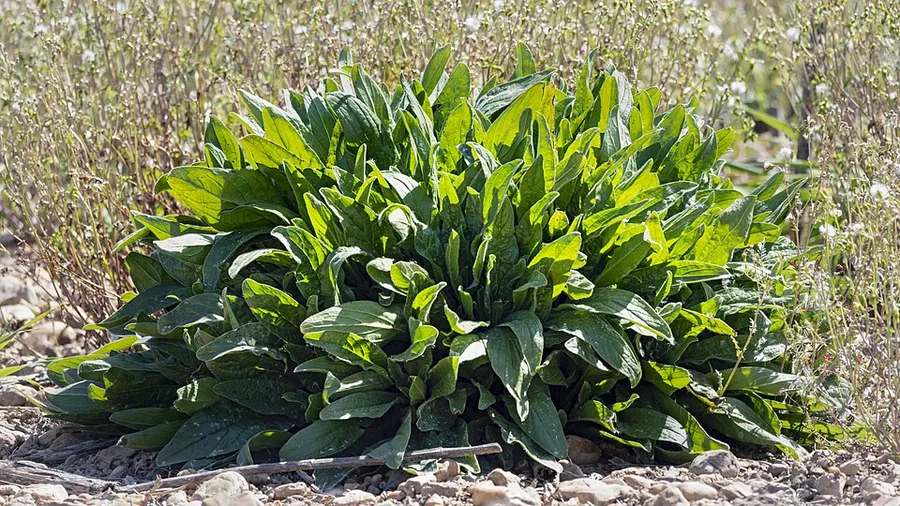
A cook's garden classic, garden sorrel keeps a low, leafy clump of tart, lemony greens within arm's reach of the kitchen.
Full sun
Every 3–7 days
30–75°F · -1–24°C
60–90 days
Overview
Few crops feel as quietly generous in a kitchen garden as garden sorrel. A hardy perennial from the old dock family, it has earned its keep for centuries as one of the first greens to fill the spring plot, when the beds are still bare and the table wants something fresh. It settles in as a dependable presence, unbothered by the cold that sends softer salads packing.
The appeal is that sharp, lemony note the leaves bring to a plate. It comes from the oxalic acid in the foliage, the same tang that makes sorrel a favorite for a spring soup or a bright salad, and the reason it belongs on the menu in measured amounts. Cut the young leaves and they read soft and mild; let them linger and they turn coarse, so this is a green that rewards a cook who picks little and often.
As a plant to live with, sorrel is refreshingly low-fuss. Give it a moist, fertile corner with a little sun, keep the flowering stalks trimmed for looks and for flavor, and a single clump will anchor the same patch for years, a standing invitation to step outside and gather a handful before dinner.
Care
The short version: set sorrel in full sun to light shade with steady moisture and rich, well drained soil. Keep cutting the outer leaves and trim away flower stalks as they rise, and the clump stays tender, tidy, and productive.
Light
Give sorrel a place in full sun and it settles in happily, though it takes partial shade in stride, and a lightly shaded corner is a gift where summers turn hot, since it eases the plant's rush to flower. Only a deeply shaded spot lets it down, where the leaves come up thin and sparse.
Water
Keep the soil evenly moist, offering water every 3 to 7 days and a little more through a dry stretch. That reliable moisture is what keeps the leaves supple and the clump handsome, holding off the early flowering that would coarsen the flavor.
Soil
Sorrel looks its best in fertile, well drained loam worked through with organic matter. It leans slightly acidic, around a pH of 5.5 to 6.8, yet it is easygoing enough to settle into most well kept garden beds without complaint.
Temperature
Cool and mild weather flatters sorrel, roughly 30°F to 75°F (-1°C to 24°C), and a light frost leaves it untroubled. High summer heat is what unsettles it into bolting, which is why the plant looks its freshest through spring and autumn.
Humidity
Everyday garden air suits sorrel, somewhere in the 40% to 70% range, and it is not a plant to fuss over with readings. A spot with easy airflow keeps the foliage looking clean and healthy far more than any number would.
Feeding
A single feed in spring, whether a balanced or nitrogen-rich fertilizer or a comfortable top-dressing of compost, keeps the leaves coming freely. For a plant grown to be picked, one seasonal feeding is all the encouragement the clump needs.
Pruning
Treat sorrel as a cut-and-come-again green, gathering the outer leaves often, and snip away flower stalks the moment they rise to keep both the flavor and the look at their best. After it flowers, a hard cut across the whole plant brings on a fresh, tidy flush of foliage.
Repotting
Left alone, a clump holds its own for 3 to 4 years before the center crowds and slows. When the middle tires and the leaves grow smaller, lift and divide it to keep the patch looking full and productive.
Size & spacing
A settled clump reaches about 12 to 24 inches (30 to 60 cm) tall and 12 to 18 inches (30 to 45 cm) across, a neat, low mound in a bed. Give each plant that much room so it fills its space gracefully and air moves easily around it.
When to plant
Sorrel keeps an early calendar, which suits a gardener eager for the first pickings. Being cold-hardy, it can be started from seed indoors in late winter or sown straight into the ground once spring softens the soil, then cut leaf by leaf right through the season until the frosts return.
Northern hemisphere
Southern hemisphere
Typical months for a temperate climate: start earlier in warm zones, later where spring frosts linger.
- Sow: 6-8 weeks before last spring frost
- Plant: Early spring as soon as soil can be worked; cold-hardy and tolerates light frost
- Harvest: Cut outer leaves young and often through the growing season; remove flower stalks to keep leaves tender and mild
Hardiness
USDA hardiness zones: 3–9
Temperature: down to -40°C
Troubleshooting
Sorrel keeps a calm profile in the garden, and the little that troubles it tends to show on the leaves. A pest or two and the summer pull toward flowering account for nearly all of it, and each is easy to read and to answer before it spreads.
Tall reddish stalks rise and the leaves turn sour
Summer heat and long days coax sorrel into bolting, spending its energy on a flower stalk in place of fresh leaves. Once it does, the foliage turns tough and sour and loses its charm on the plate. Cut the stalks away as they appear and shear the plant back hard, and it answers with a clean flush of tender basal leaves.
Fix:
- Cut off flower stalks promptly
- Shear plant back to encourage fresh basal leaves
Pale winding trails traced across the leaves
Those wandering lines are the mark of the leaf miner, whose grubs, the young of a small fly, feed between the two skins of a leaf. Held to the light, a leaf gives away the grub or its specks inside the trail. Pick off and discard the marked leaves, and clear away any wild dock nearby, the source these pests arrive from, to keep the patch looking clean.
Fix:
- Pick off and destroy mined leaves
- Remove nearby wild docks that host the pest
Sticky, curling new leaves gathering tiny insects
The soft green or black specks crowding the newest leaves are aphids, drawing sap from the tender growth. A look at the undersides reveals their colonies. A firm jet of water sends them off, insecticidal soap settles a stubborn return, and an easier hand with nitrogen makes the plant a less inviting target.
Fix:
- Spray off with a strong jet of water
- Apply insecticidal soap if persistent
Toxicity
Sorrel earns its place at the table with a small note of good sense. For the household it is a genuine edible green in ordinary kitchen amounts, though the leaves carry plenty of oxalic acid, so generous helpings ask for restraint and pets are best kept to a nibble. The clear caution is for grazing livestock, which can take in enough to fall ill.
Toxic to
Cats · Dogs · Horses · Rabbits · Livestock · Birds
Safe for
People
Cats Mild
A stray nibble seldom bothers a cat, but one that helps itself to a real mouthful of the sour leaves may drool, paw at its mouth, or bring the meal back up. An occasional taste is all it should have.
Dogs Mild
A leaf or two passes most dogs by. A larger helping of the oxalate-rich foliage, though, can leave a dog drooling, off its food, or a little queasy with a loose stomach for a while.
Horses Mild
A horse that grazes a little sorrel comes to no harm. The concern is volume over time, as the oxalates in the leaves can unsettle the gut and, in real quantity, tax the kidneys.
Rabbits Mild
For a rabbit, sorrel is a small, occasional green and nothing more. Its tart oxalate load means a generous serving can bring soft stools or a mild upset, so it should stay a minor part of the greens on offer.
Livestock Moderate
Here the caution is real. Cattle, sheep, and goats grazing heavily on Rumex foliage can take in enough soluble oxalate to bring on weakness, digestive upset, and, in the worst cases, damage to the kidneys.
Birds Mild
A peck at the leaves is unlikely to trouble hens or other poultry, but the high oxalic acid means the foliage is not a green to offer them in any real quantity.
People Edible in moderation
Sorrel is a treasured tart green for salads and soups, and a culinary helping is entirely safe to enjoy. Because the leaves run high in oxalic acid, keep large raw servings modest, especially for anyone prone to kidney stones.
Consume sorrel in moderation; the high soluble-oxalate content is a concern in large quantities, particularly for grazing animals.
Helpline numbers

United States
ASPCA Animal Poison Control: (888) 426-4435 (fee applies)

United Kingdom
Animal PoisonLine: 01202 509000 (fee applies)

Australia
Animal Poisons Helpline: 1300 869 738
Varieties
The plain garden species is the one most cooks grow, and it serves a plot beautifully, but a couple of named selections are worth seeking for a longer season or a more decorative leaf.
Rumex acetosa 'Profusion'
A nearly seed-sterile selection that rarely bolts, keeping a supply of tender leaves flowing well past the point where ordinary sorrel has flowered and set seed.
Blood-veined sorrel (often sold as a sorrel form)
Its green leaves are traced with deep red veins, a look handsome enough to earn it a place in the salad bowl and the ornamental border alike.
How to propagate
Bringing sorrel into a garden is an easy pleasure, whether the start is a seed packet in early spring or a spare piece lifted from a clump already at home in the beds.
SeedEasy
Spring, after the last hard frost or started indoors 6-8 weeks earlier · 60-90 days to a harvestable plant
Most gardens begin their sorrel from seed, sown shallowly into moist, fertile soil in spring or started indoors 6 to 8 weeks ahead of the last frost. Thin the seedlings so each clump has space to fill out, and the first leaves are ready to cut within 60 to 90 days.
DivisionEasy
Early spring or autumn · A few weeks once divisions root and resume growth
An established clump lends itself to division in early spring or autumn. Lift it, part it into sections that each keep roots and a growing point, and replant them where you want them. The pieces take within a few weeks, refreshing a tired plant and quietly extending the patch.
Myths
Sorrel is poisonous and has no place on the table.
The reputation is misplaced. Sorrel is a traditional edible green that cooks have relied on for centuries, and a normal serving is perfectly safe. The single caveat is its high soluble-oxalate content, which makes large raw helpings a concern for anyone prone to kidney stones and for livestock that graze it heavily. In sensible amounts, it earns a welcome place in the kitchen rather than a spot on any poison list.