Vegetable · Solanaceae
Tomato
Solanum lycopersicum
Offer it full sun, steady water, and good airflow, and the tomato returns the favor all summer long.
Full sun
Every 3–7 days
70–84°F · 21–29°C
50–90 days
Overview
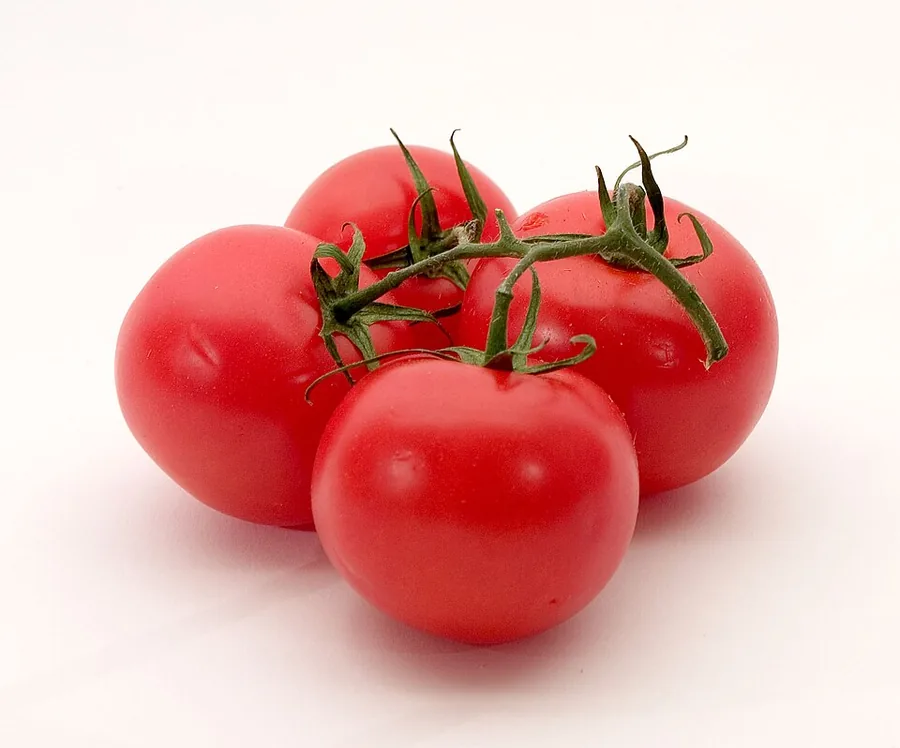
A ripe tomato is summer made edible, as much a fixture of the warm-weather garden as long evenings and bare feet. A member of the nightshade clan, it descends from the Andes, where it was cultivated long before the wider world ever tasted it. Now it thrives nearly everywhere as a warm season annual, equally at home in a generous bed or in a single pot perched on a sunlit balcony.
Variety is the joy of growing it. Certain plants keep a low, compact silhouette and ripen their fruit in a single brief flush. Others reach, ramble, and set new fruit clear through to frost. The first are called determinate, the second indeterminate, and recognizing which you have guides every choice about pruning and support.
Tomatoes are gracious with newcomers and still generous with the attentive. Grant them even water, ample sun, and breathing space, and the fruit arrives sweet and heavy on the vine. Skimp, and the trade-off shows itself in split skins and bare stems.
Care
The short version: give full sun, softened by a little afternoon shade where summers run fierce. Hold the soil evenly moist at roughly an inch of water a week, plant into rich, fertile ground, and leave each plant the open space it needs to breathe.
Light
A tomato asks for 8 or more hours of direct sun each day. Where summer heat turns relentless, a sliver of afternoon shade is welcome, but real shade leaves you with leggy, leaning plants and a thin harvest.
Water
The goal is steady, even moisture, never a flood chasing a dry spell. In practice that means roughly an inch of water a week, with extra during a heat wave or for any plant in a pot. This even hand at the hose is what keeps the skins whole.
Soil
Choose rich, well drained ground worked through with plenty of compost. They prefer a pH of 6.0 to 6.8, just shy of neutral, and a loose, open texture that lets their deep roots travel.
Temperature
Their sweet spot sits between 70°F and 84°F (21°C to 29°C). Fruit set falters when nights stay warm or days run hot, and even a passing frost ends the plant outright.
Humidity
Everyday outdoor humidity suits them fine, so there is no figure to chase. What matters far more is moving air, since crowded, damp foliage is the doorway most tomato diseases walk through.
Feeding
Offer a balanced feed at planting, then a second helping once the first fruit has set. Keep a light touch with nitrogen, or you will coax up a sprawling, leafy plant with precious little to harvest.
Pruning
On the tall indeterminate types, pinch the side shoots back to one or two leading stems. Let the bushy determinate types grow as they please, since cutting them only thins the crop.
Repotting
Shift seedlings into larger pots before they head outside so the roots never wind into a coil. Once a plant settles into its final bed or large container, it stays there for the rest of the season.
Overwintering
Treat the tomato as an annual. A tender perennial by nature, it surrenders to the first frost, so most gardeners simply begin again each spring.
Size & spacing
Depending on the type, plants stand anywhere from 2 to 10 feet (60 cm to 3 m) tall. Allow each one 1.5 to 3 feet (45 to 90 cm) of clearance so air can circulate and disease stays at bay.
When to plant
Warmth is everything to a tomato, and frost is its undoing. Sow the seeds under cover in late winter, ease the young plants outdoors once the cold has fully released its grip, and gather fruit from the heart of summer until that first frost draws the season to a close.
Northern hemisphere
Southern hemisphere
Typical months for a temperate climate: start earlier in warm zones, later where spring frosts linger.
- Sow: 5–8 weeks before last frost (start seeds indoors before last frost)
- Plant: at last frost to 2 weeks after (after frost, soil ~60°F (16°C))
- Harvest: July–October (midsummer to first frost)January–April (midsummer to first frost)
Hardiness
USDA hardiness zones: 10–11
Temperature: down to -1°C
Troubleshooting
The earliest hints of trouble tend to surface on the fruit or the lowest leaves. Train your eye to catch them there and you can intervene before a small flaw turns into a real loss. Find your symptom among the entries below, then act while the move still counts.
Slick gray staining ahead of a swift collapse
Late blight is the one to fear, racing through cool, damp air and felling a healthy plant within days. Uproot the entire specimen, seal it in a bag, and send it to the trash. Compost it and the infection waits patiently for next season's beds.
Fix:
- Pull and bag plants immediately
- Do not compost
- Preventive fungicide on neighbors
Lower leaves yellowing and drooping as the plant quietly fades
When the lower leaves yellow and the whole plant sags, suspect a soilborne fusarium or verticillium wilt quietly blocking the stem's plumbing from within. There is no remedy once it takes hold. Lift the plant, and next year reach for resistant varieties or a container of fresh, clean mix.
Fix:
- No cure; remove plant
- Grow in containers with fresh mix
A shadowed, sunken mark settling beneath the fruit
That leathery dark crater signals blossom end rot, a watering problem wearing the costume of a soil deficiency. A plant that swings between parched and drenched loses the ability to carry calcium into its forming fruit. Settle into a regular watering rhythm, lay down mulch to steady the moisture, and clear away anything already blemished.
Fix:
- Maintain even soil moisture
- Mulch root zone
- Remove affected fruit
Bullseye brown circles patterning the lower leaves
Those target-shaped lesions are early blight, a fungus that favors warm, humid spells and creeps up from the base of the plant. Trim away each marked leaf, thin the canopy so air can pass through, and direct your watering at the soil rather than the foliage.
Fix:
- Remove infected lower leaves
- Improve airflow
- Apply fungicide if severe
A scatter of small gray spots framed in dark
A scattering of fine gray flecks across the lower leaves points to septoria leaf spot, which arrives once the weather turns damp. Strip the affected foliage the moment it shows, mulch to stop spores splashing upward, and keep your watering low and aimed at the roots.
Fix:
- Remove infected leaves
- Improve air circulation
- Fungicide if severe
Bare stems by dawn with dark specks left beneath
Bare stems and a litter of dark pellets are the calling card of the tomato hornworm, a caterpillar that can strip a branch in one evening. Hunt the plump green visitors by hand at dusk and remove them. Spare any wearing tiny white cocoons, since parasitic wasps have already claimed that one.
Fix:
- Hand-pick caterpillars
- Leave any with white wasp cocoons
- Spray Bt if heavy
Blossoms yellowing and falling away with no fruit to follow
Blossoms that yellow and fall away without fruit are simply protesting the heat. Pollination stalls once nights hold above 70°F (21°C) or afternoons push beyond 85°F (29°C). Keep the roots watered and be patient, because the plant resumes setting fruit on its own once milder days return.
Fix:
- Keep plants irrigated
- Wait for favorable temperatures
Splits encircling or tracing across the fruit
Split skins appear when a thirsty plant finally gets a long drink and the fruit balloons faster than its skin can keep up. The cure is rhythm: water on a steady schedule and tuck a layer of mulch around the base. With a downpour in the forecast, harvest a touch ahead of full ripeness.
Fix:
- Pick fruit before fully ripe
- Keep watering even
Creased, scarred fruit gathered at the underside
The puckered scarring known as catfacing dates back to a chill that struck while the blossoms were still taking shape. Despite the look, the fruit eats perfectly well. Hold your transplants indoors until the soil has warmed and the last of the cold has truly lifted.
Fix:
- No cure for set fruit; remove affected
A yellow cast settling over the oldest leaves at the base
A handful of yellow leaves at the very bottom usually means nothing more than age, as the plant funnels its strength into ripening fruit. Watch the pattern, though. Should the yellow climb upward or the whole plant pale, offer a balanced fertilizer and inspect closely for spots or wilt.
Fix:
- Apply balanced fertilizer if deficient
- Remove diseased tissue
Toxicity
The ripe fruit belongs at the table, but the rest of the plant does not. Its leaves, stems, and unripe green tomatoes carry a natural compound called solanine that unsettles the stomach. Keep those green parts well out of reach of pets, livestock, and inquisitive children.
Toxic to
Cats · Dogs · Horses · Rabbits · Livestock · Birds
Safe for
People — the ripe fruit
Cats Moderate
Watch for drooling, queasiness, and a noticeable dip in energy. A bigger nibble may dilate the pupils and ease the heart rate down.
Dogs Moderate
Chewed leaves or stems tend to bring on drooling, a flagging appetite, a queasy gut, and a general weakness.
Horses Moderate
The green growth can leave a horse with a sour stomach, a flat mood, and unsteady strength.
Rabbits Toxic
Solanine lives in the foliage and stems, putting them off the menu. A few morsels of ripe fruit make a fine occasional treat instead.
Livestock Moderate
In cattle, goats, and sheep, the foliage solanine can stir up digestive upset alongside nervous system disturbance.
Birds Caution
Keep the toxic green parts away and reserve ripe fruit for the rare treat. A backyard hen, for her part, can enjoy a ripe tomato without worry.
People Ripe fruit safe
Ripe tomatoes earn their place in any kitchen and are perfectly safe to eat. Just steer children clear of the leaves and the green, unripe fruit.
Ripe fruit is non-toxic; keep pets away from leaves, stems, and green fruit
Helpline numbers

United States
ASPCA Animal Poison Control: (888) 426-4435 (fee applies)
Poison Control: (800) 222-1222



Canada
Poison Centres: 1-844-764-7669
Varieties
Tomato varieties number in the thousands, yet only a few appear in garden after garden. These are the ones worth recognizing on sight.
Early Girl
A quick vining variety that delivers ripe slicers in roughly 60 days, well before the rest of the patch catches up.
San Marzano
The benchmark paste tomato, its slender, sparse-seeded fruit reducing into a sauce of remarkable depth.
Roma
A tidy bush type prized for canning, it concentrates nearly its entire harvest into one brief, generous flush.
Celebrity
The reliable workhorse of the garden, brushing off most of the ailments that plague its neighbors.
Beefsteak types
Towering vining slicers crowned with the richest flavor of all, though their weighty fruit is the most prone to splitting.
Cherry types
Bite-sized jewels strung along long trusses that keep producing season-long, among them favorites such as Sungold and Sweet 100.
Companions
Tomatoes grow best beside herbs and flowers that pull pests away, and worst beside their nightshade cousins, which trade the same diseases back and forth.
Plant near
Basil: Studies show basil can reduce thrips on tomato and intercropping may promote tomato growth
French marigold: Slows glasshouse whitefly population through airborne limonene when planted early in season
Nasturtium: Non-host plant shown to reduce whitefly numbers on tomato
Keep apart
Corn: The corn earworm and tomato fruitworm are the same insect, so the pest builds up on both crops; both are heavy feeders competing for nutrients
Potato: Same Solanaceae family; shares early and late blight, so avoid planting together or in sequence
Pepper: Solanaceous relative sharing tomato diseases; avoid adjacent planting and rotation
Eggplant: Solanaceous relative sharing soilborne diseases and pests with tomato
Black walnut: Roots release juglone; tomatoes are highly sensitive, causing yellowing, wilting, and death near the dripline
How to propagate
Among edible plants, tomatoes are some of the simplest to increase, whether you open a fresh seed packet or take cuttings from a plant already earning its keep.
SeedEasy
Indoors 5-8 weeks before last frost · Germinates 5-10 days at 75-85°F (24-29°C)
Seed is where most tomato seasons begin. Set the seed under cover 5 to 8 weeks ahead of your last frost, hold the tray in gentle warmth around 75°F to 85°F (24°C to 29°C), and watch for sprouts within 5 to 10 days. At transplant time, sink each seedling deep and let the buried stem do its quiet work, since every inch underground sends out fresh roots.
Stem cuttingsEasy
During active growth · Roots in 1-2 weeks in water or moist soil
Few plants copy themselves so willingly. Break a sturdy sucker from a growing stem, settle it in a glass of water or a pot of damp soil, and inside a week or two it strikes roots and becomes a fresh plant, a perfect twin of the one it came from.
Myths
A dose of calcium or crushed eggshells in the bed will banish blossom end rot.
The fault lies in how the plant ferries calcium to the fruit, not in any shortage sitting in the soil. Crushed shells break down far too slowly to matter, and foliar sprays never travel where the fruit needs them. Steady, even watering is the real fix.
A scattering of Epsom salt coaxes tomatoes to grow larger and bear more.
Unless the soil truly lacks magnesium, a rare case, the salt accomplishes nothing at all. Too much can even make blossom end rot worse, edging out the calcium the developing fruit depends on.
Beads of water resting on sunlit leaves scorch them the way a magnifying glass would.
Any droplet evaporates long before it could ever focus enough heat to harm a leaf. Spotted, scorched leaves trace back to disease, pests, or weather, not to sunlight glinting through a bead of water.
Marigolds keep every garden pest away.
The benefit is far narrower than the legend suggests. French marigolds do slow whiteflies and may discourage a thrip or two, yet they offer no blanket defense, and much companion lore rests on tradition rather than tested evidence.
Pinching away each sucker is a sure route to a heavier tomato crop.
Among the tall vining types, pruning trades for bigger, earlier fruit at the cost of a smaller total harvest and more sunscald. On the compact determinate types, the kindest move is to let those suckers stay.
A heavier hand with nitrogen brings a richer tomato harvest.
Lean too hard on nitrogen and you raise a lush, leafy plant with little fruit, with whatever does ripen more inclined to crack. A balanced diet rewards you far more handsomely.
Sources
- ASPCA Animal Poison Control
- University of Minnesota Extension
- University of Maryland Extension
- Clemson Cooperative Extension HGIC
- University of Maryland Extension
- Clemson Cooperative Extension HGIC
- Clemson Cooperative Extension HGIC
- University of Minnesota Extension
- Penn State Extension
- University of Minnesota Extension
- PLoS One (peer-reviewed)
- University of Wisconsin-Madison Extension (Wisconsin Horticulture)
- Penn State Extension
- University of Maryland Extension
- University of Illinois Extension
- Penn State Extension