Ornamental · Linderniaceae
Wishbone Flower
Torenia fournieri
In the shady corners a home forgets, wishbone flower brings color from summer to frost.
Partial shade
Every 2–4 days
64–86°F · 18–30°C
USDA 2–11
Overview
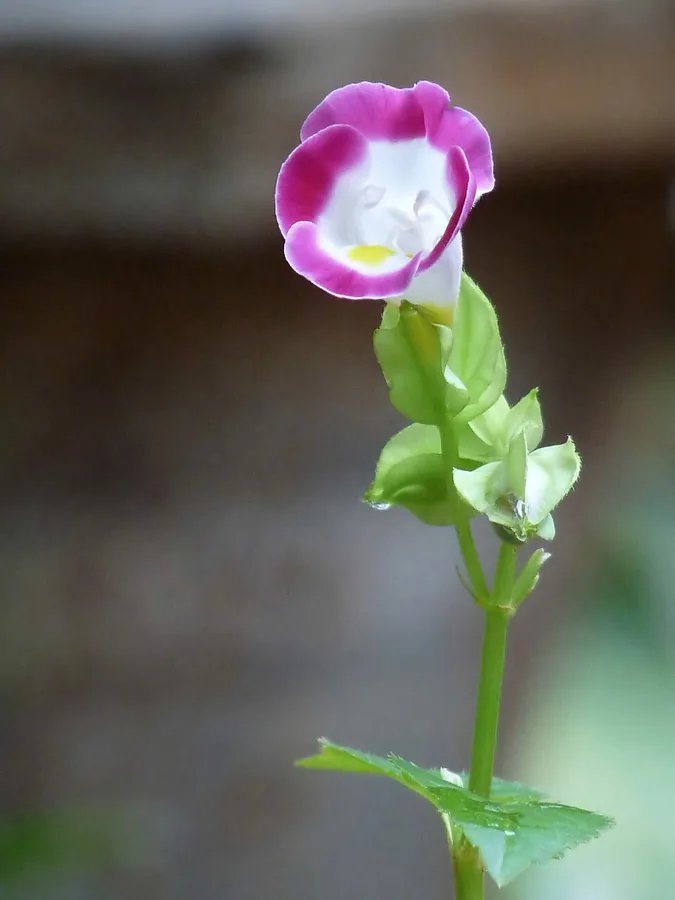
Wishbone flower belongs to the shaded, overlooked corners of a garden, the places that ask for something more than green. Named for the pair of stamens that meet inside each bloom, it flowers in a cool palette of blue, purple, pink, and white and holds that color from early summer through to frost. It is the annual to reach for when a dim spot deserves a season of quiet beauty.
Where sun-loving bedding plants would sulk, this one settles into dappled light and part to full shade with ease. Picture it edging a shaded courtyard, softening the north side of a house, or spilling from a container on a covered porch where the family gathers. In warmer regions, a site that catches the morning and rests through the afternoon keeps it looking its best.
Its charm is how little it asks of a daily routine. Steady moisture, an occasional pinch, and a self-cleaning habit mean it carries a display through summer with barely a thought. The one courtesy it expects is good drainage underfoot, the difference between a season of ease and a plant in decline.
Care
The short version: set it in part to full shade away from hard afternoon sun, keep the soil evenly moist with about 1 to 1.5 inches of water a week, choose rich ground that drains cleanly, and pinch it occasionally to hold a full, rounded shape.
Light
This is a plant for shade, at its best in part to full shade or the dappled light beneath taller planting. In hot regions, a spot with morning sun and afternoon shade keeps it composed. Too much direct sun undoes the effect, stretching the stems and thinning the flowers.
Water
Keep the soil evenly moist, never allowing it to dry between waterings. That amounts to about 1 to 1.5 inches of water a week, and a layer of mulch keeps the roots cool and the planting fresh through the heat of the season.
Soil
Give it rich, organic ground that holds moisture yet drains without hesitation. A slightly acidic pH of 6.0 to 6.5 suits it, and clean drainage is the one condition it insists upon.
Temperature
It is content across a comfortable band, from about 64°F to 86°F (18°C to 30°C). Frost ends its season, and the peak of summer heat passes more gently with a little shade and reliable moisture.
Humidity
Ordinary outdoor air is all it needs, so there is no figure to meet. Air movement is the greater concern, since still, humid air in a shaded setting is what invites powdery mildew.
Feeding
A complete slow-release fertilizer worked into the bed at planting carries the display a long way. A second feeding at about 6-week intervals through the season keeps it generous, should the plants seem to want it.
Pruning
An occasional pinch of the new growth keeps the plant full and rounded rather than loose and leggy. Deadheading never enters the routine, since the flowers are self-cleaning and fall away on their own.
Size & spacing
It stays neatly in scale, reaching 6 to 18 inches (15 to 46 cm) tall and 6 to 9 inches (15 to 23 cm) across. That restraint makes it a natural for edging a path, dressing a container, or fronting a shaded border.
When to plant
Wishbone flower keeps to the warm months, tender to frost at both ends of the season. Sow indoors in the last of winter, move the plants out once the cold has lifted, and the display unfolds from early summer until the first frost draws it to a close.
Northern hemisphere
Southern hemisphere
Typical months for a temperate climate: start earlier in warm zones, later where spring frosts linger.
- Sow: Start seeds indoors 6 to 8 weeks before the average last frost date.
- Plant: Transplant outdoors after danger of frost has passed, around mid to late April in many regions.
- Harvest: Blooms from early summer (about June) until first frost.
Hardiness
USDA hardiness zones: 2–11
Temperature: down to -46°C
Troubleshooting
Wishbone flower rarely gives trouble, and the little it does trace back to soggy ground or an excess of sun. The notes below catch the early signals, so a fading plant can be turned around before the look is lost. Find the symptom that matches, then set it right.
A wilting, collapsing plant over soft, dark roots
A plant that wilts, yellows, and finally collapses above dark, mushy roots is showing root rot, the result of ground that stays too wet or drains too slowly. Lift it and the roots feel soft and smell sour rather than firm and pale. Ease back the watering, improve the drainage, and clear away any plant already lost to mush.
Fix:
- Improve drainage and reduce watering frequency
- Remove and discard severely affected plants
Thinning bloom on long, stretched stems
Long, reaching stems and a thinning show usually mean too much hot afternoon sun, sometimes paired with a plant left unpinched. Move it to a place with morning light and afternoon shade, then pinch back the new growth to bring back the full, flower-rich form that makes it worth planting.
Fix:
- Provide morning sun with afternoon shade
- Pinch back new growth to encourage bushiness
A pale, powdery haze over the foliage
A dusty white bloom across the upper leaves is powdery mildew, a fungus that settles in where shade meets still, damp air. Open up the spacing, let the air move through the planting, and water at the base to keep the leaves dry. The look returns once the air is fresh again.
Fix:
- Improve air circulation and spacing
- Avoid wetting foliage when watering
Toxicity
This is a plant to place without a second thought. Wishbone flower is non-toxic and safe in a home shared with pets, livestock, and children. It sits nowhere on the ASPCA's roster of plants harmful to cats or dogs, and no part of it holds a toxin, so it can go wherever daily life happens.
Safe for
People · Cats · Dogs · Horses · Rabbits · Livestock · Birds
Cats None
A safe companion for cats. A curious nibble brings no poisoning, though almost any plant may leave a sensitive cat with a brief, mild upset.
Dogs None
Nothing in the plant is toxic to dogs, so a household pet that samples a leaf or flower comes to no harm.
Horses Safe
Horses may share the space freely, as the plant holds nothing that would trouble them.
Rabbits Safe
Rabbits take no harm from browsing the foliage, and a planting may simply become a favored nibble.
Livestock Safe
Cattle, goats, and sheep face no toxic risk should they graze nearby.
Birds Safe
Garden and pet birds remain safe in its company, with no part of it able to harm them.
People Safe
It poses no danger to people, so children move among the blooms freely, though it is planted for its looks, not for eating.
Varieties
Many named series exist, yet only a few reach the garden center bench with any regularity. These are the ones worth carrying home.
Kauai
A compact series prized for the density of its bloom in part shade.
Duchess
A compact series that flowers early and carries notably larger blooms.
Little Kiss
A small, mounding form made for containers and the front of a border.
How to propagate
Wishbone flower rises easily from seed, the graceful and inexpensive way most gardeners begin a fresh planting each spring.
SeedEasy
Start indoors 6 to 8 weeks before last frost, or direct sow after frost danger passes. · Several weeks to transplant size after germination.
Seed is the customary way to bring wishbone flower into a spring planting. Sow indoors 6 to 8 weeks before the last frost, or sow directly once the cold has lifted, and allow the seedlings several weeks to reach a size ready for the garden.
Myths
Wishbone flower must be deadheaded to keep flowering.
The spent blooms can be left alone entirely. The plant is self-cleaning, carrying its flowers unaided from spring through to frost.
Torenia needs full sun to bloom well.
It is one of the rare annuals that flowers freely in part to full shade. In a warm climate it even prefers afternoon shade, where full sun would only wear it down.