Ornamental · Alismataceae
Water Poppy
Hydrocleys nymphoides
In full sun and warm, still water, water poppy turns a simple pond into a summer-long scene of glossy leaves and yellow bloom.
Full sun
50–90°F · 10–32°C
USDA 9–11
6–12 in · 15–30 cm
Overview
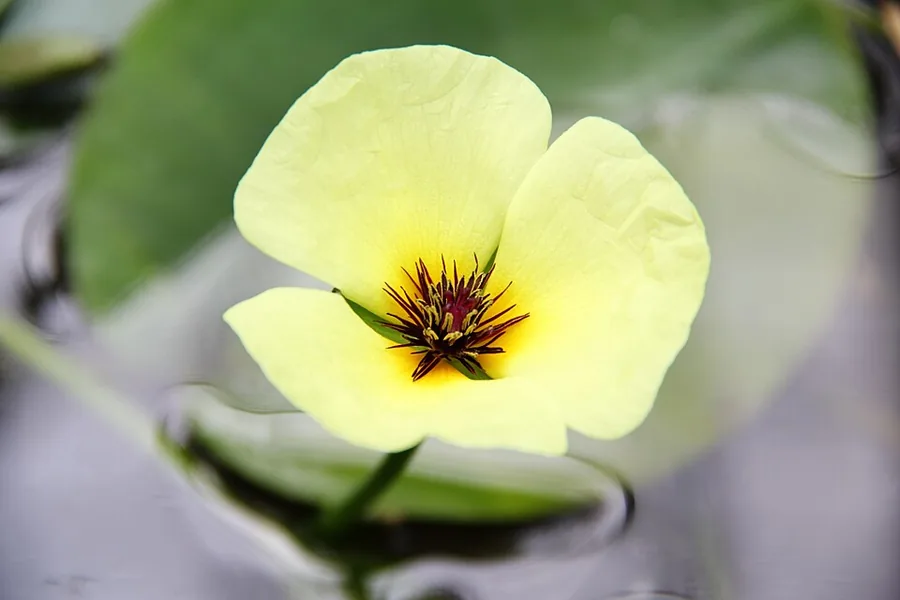
Few plants set a mood as quietly as water poppy. Floating across the surface of a courtyard pond or a patio tub, its glossy leaves and cupped yellow flowers lend a small water garden the unhurried calm of a warm-climate retreat. It belongs to the water-plantain family and comes from the warm waters of Central and South America, and it carries that easy, tropical air wherever it settles.
The plant asks for a sunny corner and a container of heavy aquatic soil sunk into a few inches up to about a foot of still water. Give it warmth and light and it fills the surface fast, trailing runners that soon soften the hard edge of a formal basin. That eagerness is worth a thought, though. In frost-free climates it can grow weedy and invasive, so it stays in a pot and never joins a natural waterway, which keeps a tidy scheme looking deliberate.
As a design piece it earns its keep with almost no upkeep. A little sun, warm water, and the occasional thinning are all it wants, and pests rarely spoil the look beyond a passing run of aphids. The one thing to plan around is the season, since the first frost closes the show and the display begins fresh each spring.
Care
The short version: a sunny spot and warm, still water a few inches up to about a foot deep, the crown submerged in heavy aquatic soil, a monthly feed through the growing season, and the pot moved indoors before frost.
Light
Give water poppy full sun, six or more hours of direct light a day, and site it where the pond catches the open sky. It will tolerate part shade, but the flowers thin there, so a bright, unshaded corner keeps the display at its best.
Water
As an aquatic plant it belongs in standing water, the still centerpiece of a pond or tub. Sink the pot under a few inches up to about 12 inches of warm, calm water and keep the crown below the surface, choosing a placid basin over any moving feature.
Soil
Anchor it in heavy aquatic loam or clay in a proper pond container. It is easy about texture and takes clay, loam, or sand, asking only that the pH hold within 6.0 to 7.5.
Temperature
It looks its best in warm water, roughly 50°F to 90°F (10°C to 32°C). The display slows as the water cools and ends at a frost, so warmth is what keeps the season going.
Humidity
Surrounded by open water, water poppy never wants for moisture, so there is no humidity to manage. The pond itself sets the scene and does all the work.
Feeding
Through spring and summer, slip an aquatic fertilizer tablet into the soil container about once a month. Feeding the soil rather than the water keeps the nutrients at the roots and the pond itself clear and unclouded.
Pruning
Upkeep comes down to light tidying and keeping the spread in check. Thin the trailing runners and lift away yellowing leaves so the planting stays composed rather than swallowing the surface.
Repotting
Refresh it each spring, or whenever the container fills with roots. Matted roots, fewer flowers, and runners creeping over the rim all signal that it is time to divide and repot into clean soil.
Size & spacing
Each plant sits only 6 to 12 inches (15 to 30 cm) above the water yet reaches 1 to 5 feet (30 to 150 cm) across as the runners travel. Leave room for that spread and keep it potted, and it stays a graceful accent rather than a takeover.
When to plant
Water poppy keeps to the rhythm of the warm season and bows out at the first frost. Hold it under cover or begin again in late winter, set it out once the chill has lifted and the water has warmed, and it carries the display right through summer.
Northern hemisphere
Southern hemisphere
Typical months for a temperate climate: start earlier in warm zones, later where spring frosts linger.
- Sow: Late winter to early spring (seed propagation is difficult; division is preferred)
- Plant: After all danger of frost has passed and water has warmed, late spring to early summer
- Harvest: Summer (June to August), beginning when water reaches about 70 degrees F
Hardiness
USDA hardiness zones: 9–11
Temperature: down to -7°C
Troubleshooting
Most of what troubles water poppy traces back to cold water, a shady spot, or its own quick spread across the surface. Notice the early signs and a small slip never gets the chance to spoil the scene. Match what you see below, then set it right while it still counts.
Leaves turning soft or black after a cold snap
Water poppy is tender, and a frost brings the display to an abrupt close. Below zone 9, or whenever the water turns cold, growth stops and the leaves go translucent and slimy. Move the pot indoors to a bright, warm tub before the first frost, or simply treat it as a seasonal accent and begin again in spring.
Fix:
- Before first frost, lift the container and move it indoors to a shallow tub or aquarium with bright light and warm water
- Overwinter as a houseplant or treat as an annual and replant in spring
Runners and plantlets covering the surface
In warm, frost-free water the plant spreads with real vigor, rooting at every node and sending out plantlets that close over the surface in no time. This is healthy growth rather than a fault, but unchecked it overwhelms a considered scheme. Keep it in a sunken pot rather than open pond mud, thin the runners on a regular basis, and never let spare plants reach a natural waterway.
Fix:
- Grow in a contained pot rather than planting directly in pond mud
- Regularly thin and remove excess stolons and plantlets
- Do not release into natural waterways
Plenty of leaves but hardly any bloom
A leafy plant that withholds its flowers is nearly always short on sun or set in water that is still too cool. Blooming begins once the water warms to about 70°F (21°C), so move the pot into six or more hours of direct light and give it time. A monthly aquatic fertilizer tablet worked into the soil helps the display along once warmth arrives.
Fix:
- Move the container to full sun (6 or more hours of direct light)
- Wait for water to warm to about 70 degrees F
- Fertilize with aquatic fertilizer tablets
Sticky leaves and small clustered insects
The little insects gathering on the emergent leaves are aphids, and the sticky sheen they leave is honeydew. Wash them off with a strong jet of water or wipe the clusters away by hand. Leave the chemical sprays aside, since they harm fish and the wider pond life, and let natural predators finish the task.
Fix:
- Spray aphids off foliage with a strong stream of water
- Wipe or hand-remove colonies
- Avoid chemical pesticides that can harm pond wildlife and fish
Toxicity
For a home with pets, water poppy is non-toxic and considered safe around animals, livestock, and children. Set out in deep water it stays well beyond curious reach, and a stray taste of the wet leaves brings nothing worse than a passing upset.
Safe for
People · Cats · Dogs · Horses · Rabbits · Livestock · Birds
Cats None
There is no toxin here, so a curious cat comes to no harm. A mouthful of the wet foliage might bring a little drool or a queasy moment, and it passes on its own.
Dogs None
Dogs are safe around it, with nothing in the plant to poison them. A determined chewer faces nothing worse than mild, short-lived stomach upset from the soggy leaves.
Horses Safe
Horses can graze the foliage without harm. It holds no known toxin, and a pond plant seldom sits within reach of a paddock in any case.
Rabbits Safe
A nibble of the leaves will not poison a rabbit. Offer any unfamiliar greens in small amounts, though, since a sudden change of diet can unsettle a rabbit's gut.
Livestock Safe
Cattle, goats, and sheep can browse it safely. The plant carries no toxin, and its place in deep water keeps it well clear of most grazing animals anyway.
Birds Safe
Garden and pond birds take no harm from the leaves or flowers. Waterfowl often pick at the soft growth without any trouble at all.
People Safe
The plant poses no poisoning risk to people. It is not grown for the table, so there is no reason to eat it, but a child who tastes a leaf will be fine.
As an aquatic pond plant it is rarely accessible to pets; pets that nibble aquatic foliage may experience mild, self-limiting gastrointestinal upset.
Varieties
The choice here is refreshingly simple: there is only one water poppy to plant. The plain species is what graces ponds everywhere, with no named cultivars to weigh.
Hydrocleys nymphoides (species)
This is the plain species that graces almost every pond, its glossy heart-shaped leaves floating on the surface and yellow three-petaled flowers lending the poppy name, and there are no named cultivars to choose among.
How to propagate
Water poppy all but propagates itself, and dividing a plant you already have fills a second container far sooner than any attempt at seed.
DivisionEasy
Spring to summer during active growth · A few weeks
This is easily the simplest way to fill a second pot with water poppy. Through spring and summer, lift the rooted plantlets that form along the trailing runners and settle each into aquatic soil, where it establishes within a few weeks.
SeedDemanding
Spring · Several weeks to months
Sowing from seed in spring is possible, but it is slow and fussy work, taking anywhere from several weeks to a few months to get going. Most growers pass it over and divide an existing plant instead.
Myths
Water poppy is a true water lily or a kind of poppy.
It is neither, for all that it plays both parts so well. Hydrocleys nymphoides belongs to the water-plantain family and only borrows the look, floating like a small lily and opening yellow flowers shaped like a poppy's. The name rests on resemblance alone, with no real kinship to true water lilies or garden poppies.