Vegetable · Asparagaceae
Asparagus
Asparagus officinalis
Plant it once and a settled asparagus bed graces the spring table every spring for 15 to 20 years.
Full sun
Every 5–7 days
50–77°F · 10–25°C
730–1095 days
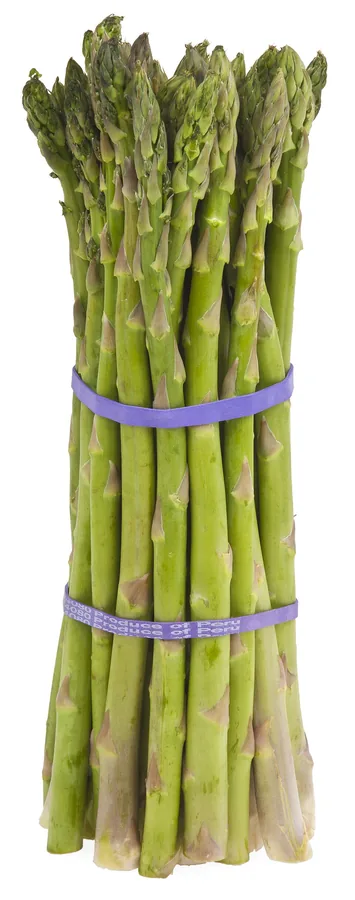
Overview
Asparagus belongs to the slow, gracious end of the kitchen garden, the kind of crop planted once and gathered for decades. A well-kept bed sends up spears for 15 to 20 years or more, anchoring one corner of the plot like a piece of furniture you never move. It is a hardy perennial, at ease through cold winters down to USDA zone 3, and it opens the gardening year with tender shoots that reach the kitchen long before the rest of the plot has even been sown.
Across the seasons the bed earns its place twice over. Spring brings the spears for the table, and the stems left standing rise into tall, feathery ferns that soften the summer plot with a haze of green and quietly feed the crowns below. That airy summer foliage is doing the next year's work, so it is left to stand until it yellows in fall. Asparagus is also dioecious, with male and female plants, and only the females set the small red berries that color the autumn bed.
What the crop asks in return is a willingness to wait. New crowns want two or three years before they will give a full cutting, and the season holds more pleasure for not being rushed. Settle the bed into deep, well-drained soil in full sun, on fresh ground away from any old asparagus planting, and that early patience repays the table for many springs to come.
Care
The short version: give it full sun, deep well-drained soil, and steady moisture through spring and summer, and grant the bed the patience to skip harvesting its first couple of seasons while the crowns settle into the plot.
Light
Asparagus settles best into a sunny, open corner of the plot with full sun, a spot drawing 8 or more hours of direct light. It will accept a little afternoon shade, but too much leaves the spears thin and the crowns weak over time.
Water
Keep the bed evenly moist, around 1 to 2 inches of water a week, with the closest attention while the spears are rising and the summer ferns are filling out. An established bed takes a dry spell in stride, yet steady moisture makes for finer spears on the plate. Steer clear of soggy ground, which rots the crowns.
Soil
Asparagus wants deep, well-drained, fertile loam rich in organic matter, though sandy ground will serve once compost is dug in. Aim for a pH of 6.5 to 7.5, on the neutral side, since the crowns will keep this same corner of the garden for decades.
Temperature
The plant grows best between 50°F and 77°F (10°C to 25°C) and needs a real winter chill to go dormant and reset for spring. That cold requirement is why the crop thrives in northern gardens and struggles where winters stay warm.
Humidity
Ordinary outdoor humidity, somewhere around 40% to 70%, suits asparagus well. What counts more in the garden is air moving freely through the ferns, since still, damp foliage is what invites rust.
Feeding
Feed the bed in early spring before the spears push up and again once the harvest season closes. A balanced complete fertilizer such as 10-10-10, or a generous helping of compost worked in, keeps the crowns vigorous and the spring crop coming.
Pruning
Leave the green summer ferns standing right through fall, since they are busy feeding next year's crowns and softening the plot in the meantime. Once they yellow and brown, cut them to the ground in late fall or early spring to clear out overwintering asparagus beetles and rust spores.
Repotting
Asparagus is never repotted. It is a permanent in-ground planting that keeps the same place for 15 to 20 years or more, so give the spot real thought, as you would any lasting fixture of the garden.
Size & spacing
Come summer the ferns rise 4 to 6 feet (120 to 180 cm) tall and spread 2 to 4 feet (60 to 120 cm) wide, forming a soft green screen in the plot. Give the crowns that much room so air moves through the foliage and rust has a harder time taking hold.
When to plant
Asparagus keeps an unhurried calendar that rewards a patient gardener. Settle the dormant crowns into the ground in early spring as soon as the soil can be worked, then leave the cutting alone for the first two or three years while the bed comes into its own. After that, each spring brings several weeks of harvest, and the ferns carry the bed through summer in a soft green stand.
Northern hemisphere
Southern hemisphere
Typical months for a temperate climate: start earlier in warm zones, later where spring frosts linger.
- Sow: Late winter to early spring, about 10-12 weeks before the last expected frost, if starting from seed
- Plant: Early spring as soon as the soil is workable; set one-year-old crowns in trenches
- Harvest: Harvest spears in spring (roughly 6-8 weeks once a bed is mature). Do NOT harvest the first 2 seasons after planting crowns; take a light harvest in year 2-3 and a full harvest from about year 3 onward to let crowns establish. Inconspicuous yellow-green flowers form on ferns in summer; female plants set red berries.
Hardiness
USDA hardiness zones: 3–8
Temperature: down to -40°C
Troubleshooting
Most asparagus troubles surface in one of two places, the spears bound for the table or the ferns that follow them through summer. Slim, weak spears point back to the crown, while spots and pests show on the foliage. Match what the bed is telling you below and put it right before it carries into next spring.
A failing bed yellowing and rotting below
When a once-reliable bed starts to fail, with ferns yellowing and spears shrinking over rotted crowns, the cause is Fusarium crown and root rot, a soil fungus that takes hold in ground that stays too wet. There is no cure, so lift the worst plants and put the drainage right. The graceful way forward is a fresh bed on new ground with clean crowns, never on the site an old asparagus planting has left behind.
Fix:
- Remove severely affected plants
- Improve drainage
- Replant in a new, well-drained site with disease-free crowns
Spears coming up thin instead of plump
When the spears arrive slim rather than the plump stems you want for the table, the crown is telling you it has run low on stored energy, usually from a young bed or a season of cutting that went on too long. Stop harvesting the moment they drop below pencil thickness and let them open into ferns to recharge. A spring feeding and a weed-free bed bring next spring's harvest back to its proper, generous size.
Fix:
- Stop harvesting and let spears fern out to rebuild crown energy
- Fertilize in early spring and after harvest
- Control weeds and maintain consistent moisture
Beetles spoiling the harvest spears
When chewed, scarred spears start to spoil the look of a morning's pickings, the culprits are asparagus beetles, the bluish-black common kind or the spotted one, whose gray larvae graze the ferns. A daily walk through the bed to pick off adults and larvae and wipe the dark eggs from the spear tips keeps them in check. The lasting fix is a tidy fall cleanup, clearing the spent ferns where the adults would otherwise overwinter.
Fix:
- Handpick adults and larvae
- Remove and destroy infested ferns in fall
- Apply an approved insecticide if populations are heavy
Rusty cast spoiling the summer ferns
When the airy summer ferns lose their fresh green to a rusty cast, asparagus rust has settled in, a fungus that favors a bed where the air sits still and the foliage stays damp. Cut away and destroy the affected ferns so the spores cannot linger, and give the planting the open spacing that lets a breeze move through. Resistant cultivars and watering at the base rather than overhead keep that handsome green canopy intact.
Fix:
- Remove and destroy infected ferns
- Improve spacing and air flow
- Use rust-resistant cultivars and fungicide if needed
Red berries appearing among the autumn ferns
As the ferns fade in autumn, the female plants hang out pea-sized red berries that hold steroidal saponins and can leave a child or pet with an upset stomach. They do the planting no harm, so the task is simply housekeeping: gather the fallen fruit from the paths and corners where children and animals pass. For a garden meant to stay carefree, an all-male variety keeps the bed berry-free from the start.
Fix:
- Remove berried female ferns where children or pets browse
- Grow all-male hybrid varieties to avoid berries
Toxicity
The spears that reach the kitchen are a safe, familiar vegetable to be enjoyed freely, but the rest of the plant keeps its distance from the plate. The mature ferns and especially the bright red berries on female plants hold steroidal saponins that can upset the stomach. Keep berries and spent foliage away from pets, livestock, and small children, and wear gloves if the sap troubles your skin.
Toxic to
Cats · Dogs · Horses · Rabbits · Livestock · Birds
Safe for
People
Cats Mild
A cat that samples the red berries may be left with vomiting, loose stool, or a sore belly, courtesy of the saponins in the fruit. Keeping berried ferns out of a curious cat's reach is the simple safeguard.
Dogs Mild
A dog drawn to the berries can end up with vomiting, loose stools, and a tender stomach, and a brush against the ferns may leave a sensitive dog with an itchy rash. A little distance from the bed spares them both.
Horses Caution
The saponins in the berries and the mature ferns can unsettle a horse's gut. Horses usually give the bed a wide berth, yet fencing them off from a fruiting planting settles the matter for good.
Rabbits Caution
A rabbit's small frame copes poorly with the saponins in the berries and ferns, so even a nibble can bring on digestive upset. If anything from the garden is to be shared, let it be the tender spears alone.
Livestock Caution
Goats, sheep, and cattle can come down with stomach trouble from the berries and aging foliage. Most graze right past, but a hungry animal might not, so a fruiting bed deserves a watchful eye.
Birds Caution
Wild birds take the berries without harm and carry the seed across the garden, yet the saponins make the fruit a poor offering for pet birds. Cage birds belong well away from it.
People Spears safe
The spears that reach the kitchen are a safe, everyday vegetable to be enjoyed without a second thought. The red berries are another matter and can cause stomach upset, so they stay off the plate and out of small children's reach.
The tender harvested spears are non-toxic and a safe food. Toxicity concern is limited to the red berries and mature fern foliage; wear gloves if you develop skin irritation from the sap, and keep berried female ferns away from pets and small children.
Helpline numbers

United States
ASPCA Animal Poison Control: (888) 426-4435 (fee applies)

United Kingdom
Animal PoisonLine: 01202 509000 (fee applies)

Australia
Animal Poisons Helpline: 1300 869 738
Varieties
A handful of asparagus varieties suit most kitchen gardens, sorted mainly into the productive all-male hybrids and the older open-pollinated heirlooms. These are the ones worth knowing.
Jersey Knight
An all-male hybrid that sets almost no berries and crops heavily, with strong resistance to rust, fusarium, and crown rot for a low-fuss kitchen-garden bed.
Mary Washington
The classic open-pollinated heirloom bred for rust resistance, carrying old-garden character along with a mix of male and female plants.
Purple Passion
A purple-speared type, sweeter and more tender than the green sorts, that brings color to the spring plate before turning green once cooked.
Jersey Giant
A vigorous all-male hybrid prized for its cold hardiness, disease tolerance, and thick, productive spears that fill a harvest basket fast.
Companions
Asparagus keeps to a permanent bed, so it has few planting neighbors, but its long partnership with tomatoes is the one gardeners come back to.
Plant near
Tomatoes: A classic reciprocal pairing: asparagus is reported to help deter root-knot nematodes while tomatoes produce solanine that can help repel asparagus beetle.
How to propagate
There are two ways to bring an asparagus bed into the garden, and the one you choose sets how long the wait is before that first real harvest reaches the table.
DivisionEasy
Early spring, planting dormant one-year-old crowns · 2-3 years to first full harvest
The most rewarding start is with one-year-old crowns, set 6 to 8 inches deep in trenches in early spring. It is the surest path to a bed that earns its keep, with a first full harvest in about 2 to 3 years. That head start means spears gracing the spring table a whole season ahead of anything raised from seed.
SeedModerate
Start indoors in late winter/early spring 10-12 weeks before last frost; transplant after danger of frost · 3-4 years to first full harvest
Seed is the thrifty route and opens up a wider choice of varieties, asking only for patience in return. Start it indoors 10 to 12 weeks before the last frost and move it out once the cold has passed, then wait 3 to 4 years for a full harvest, roughly a year longer than crowns. Unless an all-male type is sown, the bed will hold a mix of male and female plants.
Myths
White asparagus is a different plant from the green kind.
The pale spears that look so refined on a restaurant plate are the same plant, Asparagus officinalis, simply grown another way. Growers heap soil over the rising spears to shut out the light, so they never green up. With no sun reaching it, the spear cannot make chlorophyll.
Female plants are better because they make berries.
For the cook, it runs the other way. Male plants out-produce females because they channel their energy into spears rather than seeds and berries. That is why all-male hybrids are the usual choice for a productive bed, and they spare the gardener the weedy seedlings the berries scatter.
You can cut spears heavily the first year after planting.
The first season is for settling in, not for the table. Skip the harvest for the first season or two, then take only a light cut in year 2 or 3. Letting the ferns grow builds the crown reserves that keep a bed generous for the next two decades.