Ornamental · Lamiaceae
Bells of Ireland
Moluccella laevis
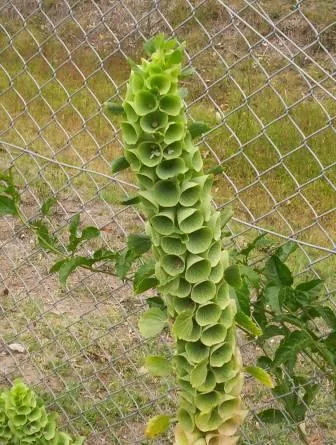
Tall green spires of bell-shaped calyces that favor cool weather and dry beautifully for the vase.
Full sun
39–81°F · 4–27°C
USDA 2–11
24–35 in · 60–90 cm
Overview
Bells of Ireland brings a quiet, architectural green to the garden, its tall stems lining the back of a bed and lending a cool, composed note to a planting that might otherwise lean only on color. Despite the name, it comes from the eastern Mediterranean to western Asia rather than Ireland, and gardeners keep it as a cool-season annual for the unusual presence it brings to a border and, later, to a room.
This is a flower that prefers the milder stretches of the year and shrinks from heat and humidity, which makes it a natural fit for spring-into-early-summer schemes. It rises fast to 2 to 3 feet (60 to 90 cm) in a single season and blooms from mid-summer into fall, holding its height in the bed. Keep gloves to hand when cutting, since small spines sit hidden beneath each green bell.
Indoors, it earns its keep as readily as it does outside. The green calyces hold their color in the vase and dry well for lasting arrangements, so a few stems styled in a simple vessel carry the garden's calm into the home long after the beds have settled for the year.
Care
The short version: an open, sunny spot and cool growing weather, soil kept evenly moist but never soggy, a balanced feed through the season, and a discreet stake for the tall spikes wherever the wind reaches.
Light
Give it full sun for the strongest, most upright spikes, though it accepts a little partial shade. In deeper shade the stems weaken and lean, and the green bells grow fewer, which softens the clean line the plant is prized for.
Water
Keep the soil evenly moist throughout, and water through any dry spell so the roots never bake. Because this plant dislikes heat, steady summer moisture is one of the surest ways to keep the planting looking its best.
Soil
Set it in loose, moderately fertile, well-drained ground that holds even moisture. It tolerates poorer soil so long as drainage stays sharp, and a pH anywhere from 6.0 to 7.5 suits it well.
Temperature
This is a cool-weather plant, at its best between roughly 39°F and 81°F (4°C to 27°C). Once the heat and humidity of high summer settle in, it begins to slow and the display loses its poise.
Humidity
Ordinary outdoor air is all it asks, so there is no target to meet. Humid, muggy heat is the real challenge, so give the plants room and let the air move freely around them.
Feeding
A balanced general-purpose fertilizer once a month through the growing season is enough. Resist heavier feeding, since soft, overfed growth flops and spoils the upright shape.
Pruning
Cut the flower spikes for fresh or dried use, and deadhead before the seed sets to keep self-sowing in check. In windy spots the tall spikes usually want a stake to hold their line.
Size & spacing
Plan for plants of 2 to 3 feet (60 to 90 cm) tall. Set them about 12 to 18 inches (30 to 46 cm) apart, close enough that neighboring stems steady one another for a tidy, even stand.
When to plant
Bells of Ireland reads the calendar carefully, thriving in cool weather and fading in heat, so timing shapes the whole effect. Start seed indoors in late winter, settle plants out a few weeks before the last frost once nights stay above 40°F (4°C), and the spikes carry the display from mid-summer into fall.
Northern hemisphere
Southern hemisphere
Typical months for a temperate climate: start earlier in warm zones, later where spring frosts linger.
- Sow: 8 to 10 weeks before the last spring frost; barely cover seed as light aids germination, which can be slow (up to a month).
- Plant: A few weeks before the last frost, or transplant once night temperatures stay above 40°F (4°C).
- Harvest: Blooms mid-summer to fall (July to September); cut stems for fresh use, or before seed ripens for drying.
Hardiness
USDA hardiness zones: 2–11
Temperature: down to -46°C
Troubleshooting
Most of what unsettles this plant comes down to two things: the press of summer heat and the height of its own spikes. Notice the early signs below and a small wobble need never disrupt the look you are after.
The display fades as high summer settles in
A cool-season plant by temperament, Bells of Ireland is at its most elegant in the milder months, and the heat and humidity of deep summer simply take the shine off the display as the spikes fade. Choose an open, sunny corner where the air drifts freely, keep the soil evenly moist, and sow early so the planting peaks while the garden still feels fresh and the season is on your side.
Fix:
- Site in full sun with good air circulation
- Keep soil evenly moist during heat
- Sow early so plants bloom before peak summer heat
No seedlings in sight though a month has gone by since sowing
When the tray stays bare, slow germination is usually down to seed set too deep or held at the wrong temperature. This is a flower that needs light to begin, so rest the seed at the surface and offer warm days around 80°F to 86°F (27°C to 30°C) with cooler nights near 60°F (16°C). Then let patience do its quiet work, because even in ideal conditions the first seedlings can take up to a month to arrive.
Fix:
- Barely cover seed as light aids germination
- Provide warm day temperatures around 80 to 86°F and cooler nights near 60°F
- Be patient; germination can take up to a month
Statuesque spikes bowing after wind or a downpour
The tall, top-heavy spikes that give this plant its sculptural presence are also what a stiff breeze or a sudden shower can topple, and the loftiest stems tip first. A discreet stake set early in any open spot keeps the line clean, and a sheltered corner out of the wind suits it best. Planting close, around a foot apart, lets the stems steady one another, and a light hand with rich soil keeps the growth firm rather than soft and unruly.
Fix:
- Stake taller spikes
- Provide a sheltered, less windy location
- Space plants about a foot apart for mutual support
Toxicity
For a home shared with pets and children, the news is welcome, since this plant is not considered poisonous to animals or people. The single real hazard is physical rather than chemical: pairs of sharp little thorns sit beneath each green bell, so keep gloves nearby whenever you handle or cut the stems.
Safe for
People · Cats · Dogs · Horses · Rabbits · Livestock · Birds
Cats None
A cat can move through a room with these stems untroubled, since nothing here is known to poison felines and the plant carries no toxic listing. The single thing to keep in mind is the small spines on the stems, which could prick a curious cat's mouth.
Dogs None
A dog at home with this plant has nothing toxic to fear, as none of it is considered poisonous. Should one mouth a stem, the worst it meets is the sting of a hidden thorn rather than any genuine harm.
Horses Safe
Horses run no toxic risk near this plant. The sharp spines beneath each calyx tend to make it an uninviting mouthful in any case.
Rabbits Safe
Rabbits will not be poisoned by it. The prickly stems usually discourage them well before they manage a real nibble.
Livestock Safe
Grazing animals such as cattle, goats, and sheep have no toxin to contend with here. Most leave the spiny spikes alone of their own accord.
Birds Safe
Garden birds can share the same beds without concern, since no part of the plant is known to harm them.
People Safe
There is no poisoning risk to people from this plant. The one courtesy to yourself is gloves at cutting time, because the thorns set beneath the green bells are sharp enough to draw blood.
Pairs of small thorns or spines hide below each calyx along the stems and are sharp to the touch; wear gloves when handling or harvesting.
Varieties
Just a couple of named selections sit alongside the wild species, each chosen for one telling quality. These are the two worth seeking out for the garden and the vase.
Pixie Bells
A tidy, compact selection with shorter, sturdier stems that hold their line far better and rarely flop the way the species can.
Long Spike
Grown for its extra-long flower spikes, it is the form arrangers favor for a generous cut.
How to propagate
Bells of Ireland is raised from seed, and the seed has a few small preferences worth honoring before you sow.
SeedModerate
Sow indoors 8 to 10 weeks before last frost, or outdoors a few weeks before last frost; often self-seeds in the garden. · Germination can take up to a month; plants bloom the same season from mid-summer to fall.
Begin it from seed indoors 8 to 10 weeks before the last frost, or sow it straight into the ground a few weeks before. Rest the seed at the surface, since light helps it sprout, and offer warm days around 80°F to 86°F (27°C to 30°C) with cooler nights near 60°F (16°C). Patience suits this one, because germination can take up to a month, yet the reward is a season of bloom from mid-summer into fall, and the plants often return on their own the next year from seed they have dropped.
Myths
Bells of Ireland comes from Ireland.
The name sets a charming but false scene. The plant is native from the eastern Mediterranean across to western Asia and India, far from any Irish field, and the name most likely simply celebrates the green color of its bell-shaped calyces.
A period of cold stratification is needed before the seed will sprout.
A few guides suggest chilling the seed first, yet the research does not support the step. What truly counts is surface sowing with light and the right temperatures, not a stretch in the cold.