Vegetable · Brassicaceae
Collard Greens
Brassica oleracea (Viridis Group)
A forgiving green that laughs off cold, holding its place in the bed and keeping the kitchen in leaves while every other crop has bowed out for the season.
Full sun
Every 3–7 days
60–80 days
USDA 2–11
Overview
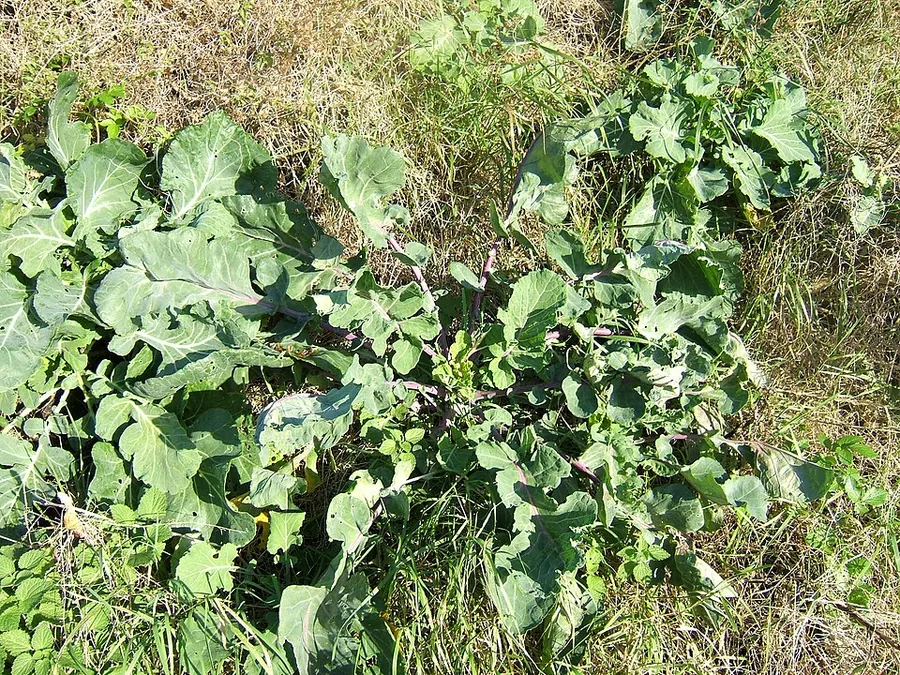
Think of collards as cabbage with its guard down: a leafy brassica that never bothers to close into a head, offering instead broad blue-green leaves taken a handful at a time. Across Southern gardens and tables, they have held a place for generations, yet a northern plot welcomes them just as readily. For shrugging off late-fall cold, no relative in the family matches a collard, and that single trait stretches the whole garden's season.
What recommends them most is an easy temper. Bright sun pleases a collard, a little shade does not bother it, and clay, loam, or sand all serve once the bed has been amended. Hand it even moisture and a modest run of nitrogen and it asks for nothing more. Take the older leaves from the base as each comes ready and the crown answers with new growth, so a short stand keeps the kitchen stocked for months on end.
Cold weather is where the crop earns its keep. Rather than wounding a settled plant, a hard frost sweetens every leaf and draws out the flavor at its finest. That is the reason collards belong to the winter plot and the winter kitchen alike, still cropping well past the date when the tender vegetables have long surrendered the ground.
Care
The short version: give them a sunny corner, with a little shade tolerated, plus loose, fertile ground held steady at roughly one weekly inch from the hose. A nitrogen feed as they grow, plants set near 18 inches apart, and the lower leaves taken once they size up will keep a row going.
Light
Full sun brings the heaviest cropping, though a half-shaded site is tolerated and even welcome where a leaf crop must weather a hot-climate plot. Each extra hour of light fills the row faster and fuller, so reserve the brightest, most open patch of the bed for them whenever it can be spared.
Water
Steady moisture is the rule: count on about an inch a week, soaking the bed to a depth of at least 6 inches. A morning watering lets the leaves dry well before dusk, which closes the door on disease. Quick-draining sandy ground will want it more often, and the moisture matters most twice over, as the young stand takes hold and again while the crop swells toward picking.
Soil
A loamy, free-draining bed worked through with organic matter is ideal, yet a collard will carry on where the ground runs to clay or to sand, provided compost has gone in. Hold the pH between 6.0 and 7.5, leaning neutral; that range doubles as a quiet defense, since clubroot loses its grip away from acid soil.
Temperature
Cool weather is this crop's element, and it stays content across a broad band, from about 23°F to 86°F (-5°C to 30°C). A mature plant meets a frost, and even a light freeze, without complaint, and it is precisely that chill that turns the leaves sweet for the winter table.
Humidity
The open air supplies all the moisture they need, so no target reading applies here. Moving air earns the real attention: still, damp foliage packed too tight is what summons disease to the leaves, the very reason open spacing and a watering aimed low repay the trouble.
Feeding
Begin with a preplant fertilizer turned into the ground, let a soil test set the rate, and follow up by dressing nitrogen along the row, calcium nitrate being one option, around 3 to 4 weeks past planting and a second time after that. A measured feed keeps fresh leaves coming, but resist heaping it on; the soft, rushing growth that follows is the very thing aphids look for.
Pruning
Nothing here counts as true pruning. Pick from the bottom up once each lower leaf grows large enough to use, and the crown keeps sending growth out through the middle; or cut the entire plant at maturity. Any leaf gone yellow or diseased near the base should come off the moment it catches your eye.
Size & spacing
A finished plant rises 2 to 4 feet (60 to 120 cm) and reaches 12 to 24 inches (30 to 60 cm) wide. Set them roughly 18 inches apart down the row so air slides through the foliage freely and disease finds little purchase among the leaves.
When to plant
Built for cool weather, collards repay the bed twice over each year. The first sowing goes down the moment spring soil crumbles loose; a second follows at midsummer to carry leaves deep into fall and the early-winter weeks. Most cooks set their hopes on that second crop, since chill in the air only sharpens the flavor and keeps the plot in green when the rows around it stand bare.
Northern hemisphere
Southern hemisphere
Typical months for a temperate climate: start earlier in warm zones, later where spring frosts linger.
- Sow: 6-8 weeks before the spring transplant date; sow indoors again in early summer (June) for a fall crop
- Plant: early spring as soon as soil can be worked for a spring crop; mid- to late summer for a fall and early-winter crop
- Harvest: harvest leaves 60-80 days from seeding; flavor sweetens after light fall frosts, and mature plants withstand frosts and light to medium freezes
Hardiness
USDA hardiness zones: 2–11
Temperature: down to -46°C
Troubleshooting
Almost anything that goes wrong with a collard is one of two stories: a caterpillar working the foliage, or trouble brewing underground. A weekly turn down the row, leaves flipped and posture noted, catches most of it. Find your symptom among the notes that follow, and act before the harvest slips away.
Yellow wedges advancing inward from the leaf margin
Yellow triangles riding on blackened veins are the signature of black rot, bacterial trouble with no remedy once it has settled in. Lift and destroy every affected plant along with the debris, and keep clear of damp foliage so nothing rides your steps to a neighbor. A fresh start matters: clean, certified seed free of disease, a morning watering aimed low at the base, and several years away from brassicas in that ground.
Fix:
- Remove and destroy infected plants and debris
- Avoid working among wet plants
- There is no cure once infection is established
Wilting under warm sun while the soil stays plainly wet
A plant that flags and stalls over moist soil deserves a closer look, so lift one and study the underground parts for knots that have swollen into a club shape. Those galls spell clubroot, and the spoiled roots can no longer move water up to the leaves. Take out the entire plant, every root with it, destroy the lot, and keep it well clear of the compost. Then bar brassicas from that ground for four years at least and steer the pH toward neutral, since this trouble settles in and waits where the soil runs acid.
Fix:
- Remove and destroy infected plants including roots
- Do not compost infected material
- Do not replant brassicas in the affected bed
Leaves torn to lace with green droppings scattered over them
One ragged look, three culprits, every one of them a green caterpillar that chews the same way: imported cabbageworms, cabbage loopers, and the diamondback moth larvae. Hand-pick the ones in plain view, then dust the foliage with Bacillus thuringiensis to mop up what remains. Tidiest of all is to lay down a floating row cover over the bed right at planting, sealing the crop off before the egg-laying white butterflies and the small gray moths ever drop in.
Fix:
- Handpick caterpillars
- Apply Bacillus thuringiensis (Bt) to foliage
- Cover plants with floating row cover at planting to exclude egg-laying adults
New growth puckered and curling, the surface gone tacky
Aphids are the answer when leaves twist and turn sticky; they crowd the leaf undersides and bury themselves in the creases of fresh shoots, draining sap as they go. A firm blast of water dislodges the colony, after which insecticidal soap finishes the job, provided you reach the hidden undersides. Easing back on nitrogen helps too, because the lush, hurried growth it feeds is the open invitation they answer.
Fix:
- Dislodge with a strong stream of water
- Apply insecticidal soap, thoroughly covering leaf undersides
- Remove heavily infested leaves
A flower stalk rising as the leaves go bitter
Call this bolting: the plant abandons leaf-making and races to flower. It is triggered when young stock weathers a long stretch of chill before warmth arrives, or comes on its own once an overwintered plant enters its second year. The stalk, once up, cannot be talked down, so gather whatever leaves still eat well and start a new sowing. For spring, lean on bolt-resistant cultivars and hold transplants back from a bed still gripped by lingering cold.
Fix:
- Harvest remaining usable leaves promptly
- Remove the plant and resow for the next season
Toxicity
Here is a green that carries no toxin at all, one the ASPCA leaves off its poisoning list entirely. That makes collards a relaxed choice for any plot where children, cats, dogs, and the backyard menagerie all roam. The single asterisk worth mentioning is goitrogens, the mild compound every brassica carries; they register only at very large raw helpings and dissolve away over heat.
Safe for
People · Cats · Dogs · Horses · Rabbits · Livestock · Birds
Cats Safe
Nothing in a collard troubles a cat, and the ASPCA never flags it. Let one chew a leaf and all is well, though a heavy serving of leafy greens of any sort may leave the gut loose for a day.
Dogs Safe
Dogs face no toxin from this green either. Plain collards, gently cooked, even find their way into a few homemade dog dinners. Watch only for wind or a loose stool when one gulps down a sizable raw heap.
Horses Safe
A horse can take collards in stride. As with every brassica, hold portions modest so a run of cabbage-family greens does not leave the animal bloated and out of sorts.
Rabbits Safe
Collard leaves agree with rabbits and rank as a regular fixture in the fresh-greens rotation. Bring any new leaf in by degrees and offer it amid a spread rather than as the whole meal.
Livestock Safe
Grazing stock, cattle and sheep and goats alike, browse collards in the field with no poisoning worry. The catch is a sudden switch to a glut of lush brassica, which can bring on bloat, so phase the feed in gradually.
Birds Safe
Chickens and their kind go at collard leaves with relish, and a serving makes a wholesome treat. String a whole leaf up or chop it fine and let the flock pick at it across the day.
People Safe
At the family table collards are a mainstay, sound raw or cooked for everyone. They hold the same mild goitrogens as any brassica, a point that only weighs at enormous raw helpings and one the cooking pot undoes.
No special handling precautions. Like other brassicas, collards contain goitrogenic compounds, a minor dietary note at very high raw intake rather than a poisoning risk.
Varieties
From weathered Southern heirlooms to hybrids cut for cold tolerance and a longer hold against bolt, collard names span a wide range. Below are the selections most likely to greet you at the seed rack, each wearing its own habit in the row.
Georgia Southern
A heat-proof heirloom long favored throughout the Southern US; it forms no head whatever, simply throwing out big, loose, open leaves season on season.
Vates
The heirloom benchmark that resists bolting, compact in habit and admired for the smooth, blue-green foliage a trim plant carries.
Morris Heading
A cabbage collard of heirloom stock; rather than fanning open across the bed, it draws the tender foliage up into a head that stays loose.
Champion
A refined Vates line selected for tougher cold hardiness and a firmer stand against bolting.
Blue Max
A heavy-cropping hybrid, its blue-green leaves deeply savoyed into a crinkled texture down the row.
Top Bunch
A quick, even hybrid shaped for cropping leaf by leaf, again and again, right through the season.
Companions
Collards do best kept well away from their cabbage-family relatives, which trade the same pests and soil diseases back and forth.
Keep apart
other brassicas (cabbage, broccoli, kale, Brussels sprouts): They share the same pests and soilborne diseases such as clubroot; extension guidance is to avoid planting collards where any brassica-family crop has grown within the past four years
How to propagate
Seed is the whole story with collards, and it asks about as little of a gardener as anything in the plot. Drop it directly where it will grow, or raise a few starts under cover; both roads lead to a willing crop.
SeedEasy
Direct sow in early spring or in midsummer for a fall crop; or start indoors 6-8 weeks before transplanting · Germinates in about 5-10 days in cool soil; transplant-ready in 4-6 weeks
Few crops start as willingly. Direct-sow into the bed at the open of spring, or at midsummer for fall greens, and where a head start helps, raise plants under cover 6 to 8 weeks ahead of setting them out. Tuck each seed down roughly one quarter to one half inch, and in cool ground the first shoots break through inside 5 to 10 days, fit for transplanting after 4 to 6 weeks. Thin the stand to about 6 inches at the start, then keep eating the crowded young ones until those you mean to grow on sit near 18 inches apart.
Myths
Collards only grow in the South and won't survive a northern garden.
Among the cabbage clan, collards outlast them all when late-fall cold rolls in. Northern growers across Illinois and Minnesota raise fine crops, still gathering leaves well after the season's first frosts have closed the book on everything else in the plot.
Frost ruins collard greens.
Quite the reverse holds true. A settled plant takes frosts and even moderate freezes in stride, and a sharp chill actually sweetens each leaf and deepens the flavor, which is just why they belong on the winter table.