Ornamental · Asteraceae
Cosmos
Cosmos bipinnatus
Set it in full sun and poor soil, and cosmos carries a garden in soft color from summer to frost.
Full sun
USDA 2–11
2–4 ft · 0.6–1.2 m
Overview
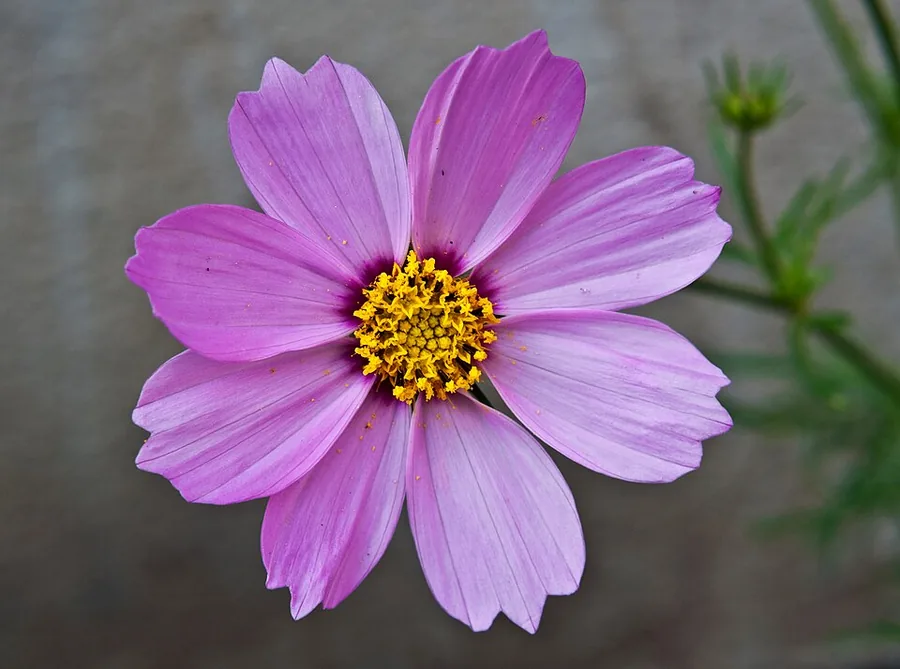
Cosmos belongs to the kind of garden that looks effortless on purpose. A fast-growing annual from Mexico, it rises from seed into a loose drift of daisy-like flowers in a single season, painting a border in soft pinks, clean whites, and deep magenta over a haze of fine foliage. Plant it once and it tends to settle in, returning on its own and keeping the planting feeling lived-in.
The appeal is how relaxed it makes a space feel. Cosmos asks for lean, dry soil and very little else, which suits a garden meant for slow weekends rather than fussing. It reaches 2 to 4 feet, tall enough to add height and movement at the back of a bed, and the gentle lean of the taller stems reads as charm rather than neglect once they have a little support.
It also earns its keep where life happens. A run of cosmos along a fence or behind a border draws a steady traffic of bees and butterflies and keeps a cutting garden generous all season. Gather an armful for the kitchen table, or leave a few to set seed and let the planting renew itself, so the look carries effortlessly into next spring.
Care
The short version: give cosmos full sun and lean, well-drained soil, water it moderately, and feed it almost never. Keep the faded blooms snipped to extend the show, and support the tall stems before they lean too far.
Light
Cosmos wants full sun, so give it the brightest, most open part of the garden and let it bask. In shade it grows tall and weak, leans toward the light, and offers far fewer flowers, which dulls the airy effect you are after.
Water
Keep the soil at medium, even moisture while plants find their footing, then ease off, since established cosmos rides out a dry spell with no fuss. The one thing to avoid is soggy ground, which rots the stems and roots from the base up.
Soil
Plant it in lean, average, well-drained soil and resist the urge to enrich the bed. Cosmos is content in poor and even occasionally dry ground, while rich, fertile soil and high nitrogen simply trade flowers for leaves.
Humidity
Ordinary outdoor air suits cosmos, so there is no humidity to manage. What matters more is airflow, since a crowded, still corner invites powdery mildew and mold and dims the display.
Feeding
Feed it rarely, if at all, because cosmos looks its best a little hungry. Skip the rich soil and high-nitrogen feeds, or the planting turns tall and floppy with hardly a flower to carry the look.
Pruning
Deadhead the spent flowers through the season to keep fresh buds coming and the bed looking tended, and clip out any damaged or diseased growth. Leaving a few late heads to ripen lets the planting reseed itself for next year.
Size & spacing
Plants run 2 to 4 feet (61 to 122 cm) tall with a spread of 2 to 3 feet (61 to 91 cm), which gives a border real height and movement. Set them at that spacing so air moves freely, and support the tall stems before they lean out of line.
When to plant
Think of cosmos as a warm-season annual built for the long stretch of summer, since frost ends its run. Start seeds indoors 6 to 8 weeks ahead of your last frost, or simply sow into warm ground, and the planting carries color from early summer right through to the first hard frost.
Northern hemisphere
Southern hemisphere
Typical months for a temperate climate: start earlier in warm zones, later where spring frosts linger.
- Sow: 6 to 8 weeks before the last spring frost date
- Plant: After the last spring frost, once soil has warmed to at least 65°F (18°C)
- Harvest: Early summer to frost
Hardiness
USDA hardiness zones: 2–11
Temperature: down to -46°C
Troubleshooting
Cosmos keeps things low-maintenance, and the few troubles it runs into usually trace to soil that is too rich or air that sits too still in a crowded bed. A passing glance at the new growth and lower stems is enough to catch most of it. Find the match below and ease it back before it spreads.
Yellow, stunted plants with green or distorted flowers
Warped growth and odd greenish blooms point to aster yellows, a phytoplasma that leafhoppers carry plant to plant. There is no cure, so lift and destroy any plant showing it before it travels through the bed. Keeping leafhoppers and weedy host plants down is the real safeguard, and cool, wet seasons make it worse.
Fix:
- Remove and destroy infected plants promptly, as there is no cure
- Control leafhoppers that spread the phytoplasma
- Remove nearby weedy host plants
Rotting stem bases with gray or white mold and slumping plants
Soft brown stem bases capped with fuzzy gray or cottony mold mean stem rot, Botrytis, or white mold has moved in, all of them happy in cool, wet, poorly drained ground. Pull and bin the affected plants along with the debris around them. Better drainage, generous spacing, and watering at the base rather than overhead keep these fungi out of the planting.
Fix:
- Remove and destroy affected plants and debris
- Improve drainage and reduce moisture around stems
- Avoid overcrowding and overhead watering
Sticky new growth dotted with tiny green or black insects
Those soft clusters gathering on the bud tips are aphids, which favor the tenderest growth and leave a sticky honeydew that dulls the planting. A firm jet of water clears them off, and insecticidal soap handles any that return. Going lighter on nitrogen helps as well, since the soft growth it pushes is just what draws them in.
Fix:
- Dislodge aphids with a strong jet of water
- Apply insecticidal soap or horticultural oil if populations are high
- Encourage beneficial insects such as lady beetles and lacewings
A white, dusty film settling over the leaves
That powdery white film is powdery mildew, a fungus that takes hold where plants crowd together and air stalls. Thin or space the plants to open the bed, and remove the worst-coated leaves to tidy it up. It tends to arrive late in the season, so a sunny, breezy position keeps it from spoiling the look.
Fix:
- Improve air circulation by thinning or spacing plants
- Remove and dispose of severely affected foliage
- Apply a labeled fungicide if needed
Tall, leafy plants that flop and barely bloom
When cosmos runs to lush foliage and weak, sprawling stems with few flowers, the soil is too rich and the nitrogen too high, and the airy effect collapses with it. Stop feeding, support whatever has flopped, and let lean ground bring it back. Cosmos looks its best a little starved, so plain, average soil is exactly what the planting wants.
Fix:
- Stop fertilizing and avoid high-nitrogen feeds
- Stake or otherwise support tall plants
- Grow in lean, average soil
Toxicity
For a household with pets, cosmos is an easy yes. The ASPCA lists it as non-toxic to cats, dogs, and horses, and no part of the plant holds anything harmful for the other animals either. A stray nibble from a pet or a grazing animal is nothing to worry about.
Safe for
People · Cats · Dogs · Horses · Rabbits · Livestock · Birds
Cats None
Cosmos is safe for cats, and a curious nibble brings no poisoning, so it fits a home with a wandering cat.
Dogs None
Dogs can brush past or chew the plant without harm, since none of it is toxic to them.
Horses None
The ASPCA clears cosmos for horses, so grazing near it poses no danger.
Rabbits Safe
Rabbits can sample the foliage and flowers with no risk of poisoning.
Livestock Safe
Cattle, goats, and sheep can graze around cosmos with nothing to worry about.
Birds Safe
Backyard and wild birds often pick at the ripe seed heads, which are perfectly safe.
People Safe
Cosmos is harmless to people, though it earns its place for show rather than the table.
Varieties
Cosmos comes in a handful of distinct strains, from tall border plants that anchor a bed to neat dwarfs for the front edge and a few with unusual flower shapes for a little drama. These are the ones worth knowing.
Sensation
Sensation is the classic tall cosmos for the back of a border, reaching 3 to 4 feet with large 3 to 4 inch pink and white daisy flowers.
Sonata
Sonata is a compact dwarf series at roughly 18 to 24 inches, ideal for containers and the front edge of a bed.
Double Click
Double Click brings plush double and semi-double blooms for a softer, fuller look than the usual single daisy.
Seashells
Seashells offers petals that roll into fluted, tubular rays resembling little shells, a quiet conversation piece.
Cosmos sulphureus
Cosmos sulphureus is a related sulphur cosmos in warm yellow, orange, and red that adds a hotter note than C. bipinnatus.
How to propagate
Cosmos is one of the most forgiving flowers to start from seed, which makes it a natural for a garden you would rather enjoy than manage. Once it is in, it keeps the planting going on its own, reseeding season after season.
SeedEasy
Direct-sow outdoors after the last frost once soil reaches at least 65°F (18°C), or start indoors 6 to 8 weeks before the last frost · Germinates in about 7 to 21 days and typically blooms within roughly 7 to 10 weeks
Cosmos is one of the easiest flowers to start from seed, so it slots into a relaxed garden with no trouble. Sow it straight into the bed once the soil reaches at least 65°F (18°C), or start it indoors 6 to 8 weeks before your last frost, barely covering the seed, since deep planting keeps it from sprouting. It comes up in 7 to 21 days and flowers within 7 to 10 weeks, and leaving a few heads to ripen lets the planting seed itself for next year.
Myths
Cosmos needs rich, fertile soil and steady feeding to bloom well.
The opposite is true, which is part of its easygoing charm. Rich ground and extra nitrogen give tall, floppy leaves and very few flowers, so cosmos blooms best in lean, average soil with little to no feeding.
Cosmos flowers are toxic to pets.
There is nothing to worry about here. The ASPCA lists cosmos as non-toxic to cats, dogs, and horses, so a curious nibble does no harm.
Cosmos has to be replanted from new seed every year.
Left to its own devices, cosmos drops seed and returns on its own, keeping a planting going with no effort. Leave a few spent flowerheads to ripen and the plants reseed themselves, filling the same patch the following season.