Ornamental · Asteraceae
Gerbera Daisy
Gerbera jamesonii
Give it full sun, sharp drainage, and a dry crown, and the gerbera daisy brings bright blooms from spring to fall.
Full sun
Every 3–7 days
45–75°F · 7–24°C
120–150 days
Overview
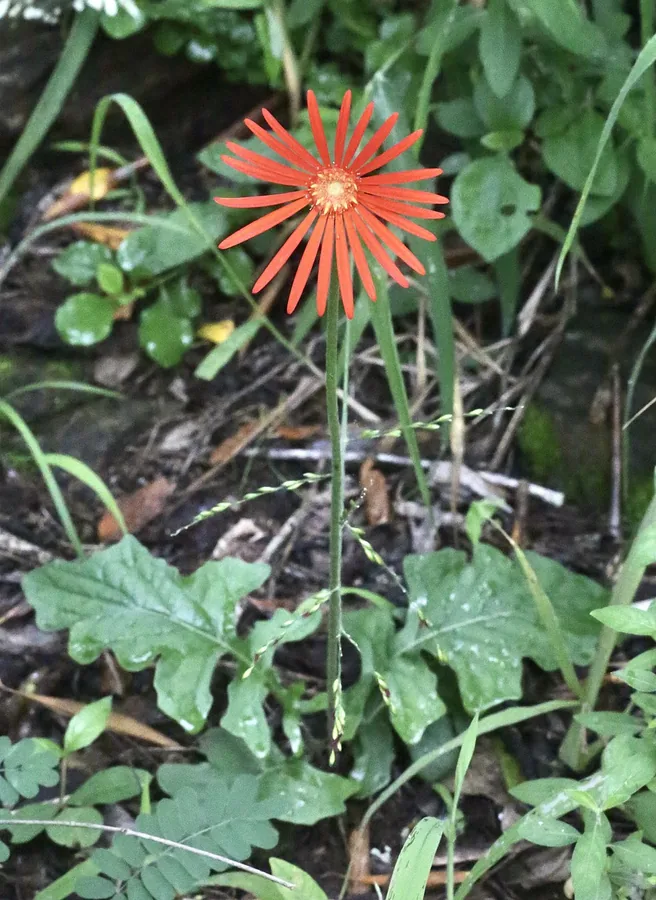
Few plants dial up a room the way the gerbera daisy does, opening wide, flat flowers in reds, pinks, oranges, yellows, and white that read as pure cheer on a windowsill or a sunny patio. Native to South Africa, where it lives as a tender perennial, it belongs to the same family as sunflowers and asters. Outside the mild zones it slots neatly into the season as a bright annual or a movable pot that follows the light from porch to table.
It has a name for being particular, and the reason sits at soil level, in how it takes water. The plant rises from a low crown that will not tolerate sitting wet, so a home for it means rich, fast-draining soil and a watering rhythm that lets the crown dry between drinks. Settle that single habit into your routine and it asks very little else.
Set it where full sun pours in, leave it room to breathe, and give it a weekly deadheading, and it returns months of flowers on tall, clean stems. Those same stems earn it a second life indoors as one of the most graceful cut flowers a home garden can supply for the vase.
Care
The short version: a spot in full sun with light afternoon shade in the heat, rich and sharply drained soil, a steady watering rhythm that keeps the crown dry and high, and a weekly deadheading to keep the display in bloom.
Light
Give it a full-sun position, meaning six or more hours of direct light a day, ideally a bright sill or an open patio. A little afternoon shade suits it where summers run hot, while a shadier corner leaves it leggy and shy of flowers.
Water
Aim for soil that stays evenly moist but never soggy, letting the crown dry between waterings. Pour at the base early in the day rather than overhead, since a wet crown and damp leaves are how rot and disease creep into a display.
Soil
Pot it up in rich, well-drained loam worked through with organic matter. It leans to the acidic side, around a pH of 5.5 to 6.5, and sharp drainage is the one thing that most decides whether it flourishes in a container.
Temperature
It keeps its best form between 45°F to 75°F (7°C to 24°C) and will not survive frost. Heat above that band can pause the flowering, so a little afternoon shade sees it gracefully through the hottest weeks.
Humidity
Everyday indoor humidity suits it, so there is no number to chase in the home. Air movement matters far more than any reading, because still, crowded air is what lets powdery mildew dull the leaves.
Feeding
Feed every two weeks through the growing season with a balanced liquid fertilizer, or lean on a controlled-release feed applied 2 to 3 times across the year. Keep an eye out for iron and manganese shortfalls, which pale the newest leaves, and set them right as they appear.
Pruning
There is little to do beyond deadheading to keep it looking sharp. Trim away the spent blooms as they fade and the plant keeps sending up fresh ones, often for months of continuous color.
Repotting
Refresh a potted gerbera into new mix every 1 to 2 years, or sooner once roots circle, the flowers thin, or the soil dries too fast. Always seat the crown right at the surface, never sunk below it.
Size & spacing
It keeps a compact, well-mannered form at 6 to 18 inches (15 to 46 cm) tall and 9 to 15 inches (23 to 38 cm) across, easy to place on a table or a shelf. Give each plant room and moving air to keep the foliage clean and mildew-free.
When to plant
The gerbera daisy is a creature of warm weather with no patience for frost, so it enters the year on a warm-season schedule. Start seed indoors in late winter, move plants out once the spring chill lifts and the soil warms, and let the flowers carry the display from late spring through autumn.
Northern hemisphere
Southern hemisphere
Typical months for a temperate climate: start earlier in warm zones, later where spring frosts linger.
- Sow: 8 to 10 weeks before the last spring frost
- Plant: after the last spring frost when soil has warmed
- Harvest: late spring through autumn
Hardiness
USDA hardiness zones: 8–10
Temperature: down to -12°C
Troubleshooting
Nearly every gerbera setback traces to water lingering where it should not, with pests a distant second. Keep your eye on the crown and the leaves, since that is where the first signs surface. Match what you see below and step in early to keep the display looking its best.
The plant slumps as soft brown rot appears at the base
A gerbera that suddenly slumps in its pot is usually falling to crown and root rot, the most common reason a display fails. It takes hold once the soil stays too wet or the crown was set too low, and the plant wilts even though the mix feels damp. Lift the affected plants, replant with the crown resting level at the soil surface, and water at the base early in the day so the roots have the daytime hours to dry.
Fix:
- Remove affected plants
- Improve drainage with raised beds or containers
- Replant with the crown level at the soil surface
- Water at the base early in the day
A pale, powdery haze settling over the leaves
A pale haze dulling the leaves is powdery mildew, a fungus that arrives when the air turns humid and the plants sit too close for comfort. It lifts off with a wipe and can leave the foliage beneath it yellowed and tired-looking. Give the planting more breathing room, keep water off the leaves, and turn to a fungicide only when the film refuses to retreat.
Fix:
- Improve air circulation
- Avoid wetting foliage
- Apply an appropriate fungicide if severe
Speckled, yellowing leaves with webbing or twisted new growth
Leaves that turn speckled and yellow, sometimes with faint webbing or misshapen new growth, are usually hosting sap-sucking pests like spider mites, aphids, thrips, and whiteflies. The undersides of the leaves tell the story, where the insects gather and mites leave their thread. Rinse the foliage clean, follow with insecticidal soap or neem oil, and repeat on the label schedule until the plant looks its polished self again.
Fix:
- Rinse foliage
- Apply insecticidal soap or neem oil
- Repeat applications as directed
Toxicity
A reassuring note for a home with pets or little ones: the gerbera daisy is non-toxic across the board. The ASPCA lists it as safe for cats, dogs, and horses, and there is no toxin to weigh for other animals or a curious child.
Safe for
People · Cats · Dogs · Horses · Rabbits · Livestock · Birds
Cats None
A welcome guest in a home with cats. The ASPCA lists the gerbera daisy as non-toxic, so a curious paw or nibble won't spoil anything.
Dogs None
Just as at ease in a household with dogs. It holds no toxins, though a dog that devours a large helping of any plant might have a briefly unsettled stomach.
Horses None
Fit for stable-side settings, too, with horses grazing nearby untroubled. The ASPCA lists it as safe for them.
Rabbits Safe
A pet rabbit can share the room with the blooms and foliage in comfort, with nothing toxic in play.
Livestock Safe
Livestock grazing near a planting run no poisoning risk from it.
Birds Safe
Whether an aviary companion or a backyard visitor, birds can settle in around it safely, since it carries no toxins.
People Safe
Gentle enough for the whole household, so children reaching for the bright blooms come to no harm.
Varieties
The gerbera daisy comes in more colors than a paint chart, yet a few named selections earn their place for the character they lend a planting. These are the ones to seek out by name.
Mardi Gras
A statement plant for a lively arrangement, carrying several bright ray colors on one plant.
Rainbow
A tidy, compact series that lends a room a whole palette of flower colors at once.
Green Kermit
An offbeat choice for a considered scheme, with double blooms and a green center.
How to propagate
There are two ways to keep a gerbera daisy going from year to year: dividing a clump you already grow, or raising fresh plants from seed. Each asks for a little patience, but neither is difficult.
DivisionModerate
Early spring or after flowering · Several weeks to a few months
To carry a favorite through the seasons, lift and divide an established clump in early spring or once flowering winds down, keeping each crown level at the soil surface. Allow a settling-in period of a few weeks to a couple of months before a division takes hold and grows on its own.
SeedModerate
Start indoors 8 to 10 weeks before last frost · Several months to first bloom
For a season planned in advance, sow seed indoors 8 to 10 weeks before the last frost, resting it on the surface since the seed needs light to sprout. Keep it warm and evenly moist, and plan for several months to pass before a seed-grown plant offers its first bloom.
Myths
Gerbera daisies are toxic to cats and dogs like many other daisies.
The worry comes from confusing this beauty with its less friendly relatives. The ASPCA lists Gerbera jamesonii as non-toxic to cats, dogs, and horses, setting it apart from the daisy cousins that genuinely cause trouble.
Gerbera daisies like to be kept constantly soggy.
A constantly wet pot is the fastest way to ruin the look. Soil that never dries invites crown and root rot, so choose well-drained ground and let the crown dry between waterings to keep the display standing tall.