Ornamental · Asteraceae
Common Sneezeweed
Helenium autumnale
Give it full sun and damp soil, cut it back in June, and sneezeweed sets the late border ablaze.
Full sun
Every 2–4 days
USDA 3–8
3–5 ft · 0.9–1.5 m
Overview
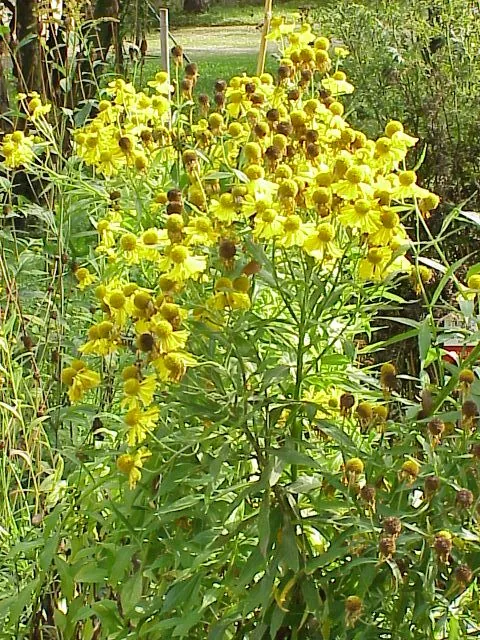
Sneezeweed arrives when the summer garden starts to fade, and it fills that lull with warm daisy color in yellow, orange, bronze, and red just as the light turns golden. A North American native of wet meadows and streambanks and a member of the aster family, it draws late bees and butterflies into a border that might otherwise feel spent. The odd name suggests allergies, yet has nothing to do with them, a small surprise that gives the plant an instant story to tell a visitor.
Picture a tall, clump-forming perennial reaching 3 to 5 feet (91 to 152 cm), a plant that sets the back of a bed or reads as a loose column in a naturalistic scheme. It is dependable where winters are hard, hardy to zone 3, and it asks in return for one thing above all: ground that stays reliably damp. Place it in a sunny, low corner and it settles into the daily rhythm of the garden, returning fuller each year.
Its height is the detail to style around rather than fight. Left to itself in rich soil the stems run up thin and lean after a storm, which unsettles the whole picture. A cutback in early June keeps the plant compact and upright, so it holds its place in the composition and lets the late-season palette read cleanly against grasses and neighboring perennials.
Care
The short version: full sun and soil that stays reliably moist, never dry. Cut the plant back by half in early June for sturdy stems, feed it lightly if at all, and divide the clump every few years.
Light
Sneezeweed reads best in full sun, at least six hours a day, which keeps it flowering freely and standing tall in the scheme. It will take a little light shade, but plants set in too much of it stretch, lean, and bloom only sparingly.
Water
Coming from wet meadows, it wants soil kept moist to wet and never allowed to dry, which makes it a natural for a low, damp corner. Water every two to four days, and more often in heat or in fast-draining sandy ground. Drought is the one condition it truly cannot abide.
Soil
Give it average to rich soil that holds moisture, heavy clay included, worked through with plenty of organic matter. The only ground it refuses is dry ground, so a sunken bed or the edge of a rain garden suits both the plant and the picture.
Temperature
Sneezeweed is remarkably cold-hardy, coming through winters as low as -40°F (-40°C) in zone 3, and it takes summer heat gracefully where its roots stay wet. That easy span from -40°F to 100°F (-40°C to 38°C) is why it settles into gardens across so much of the country.
Humidity
Outdoor humidity is no concern in itself, so there is no figure to manage. What matters to the look is airflow, since muggy, still air around a crowded planting is what lets mildew and rust take hold.
Feeding
Feed with restraint, if at all. A light dose of balanced fertilizer or a little compost in spring is ample, and too much nitrogen backfires, pushing weak, floppy growth that unbalances the stand and calls for staking.
Pruning
The one job that shapes the season is the early June cutback, taking the whole plant down by about half at least six weeks before it flowers to draw out shorter, bushier, steadier stems. Deadhead spent blooms as they fade to keep the color coming, and stake the tallest stems if any still lean.
Repotting
Sneezeweed lives in the border rather than a pot, but the clump still wants renewing to keep its form. Divide it every three to four years in spring, since the center tends to die out and turn woody while the outer growth stays fresh.
Size & spacing
Allow for a clump 3 to 5 feet (91 to 152 cm) tall and 2 to 3 feet (61 to 91 cm) across at maturity, and give it that footprint in the plan. The room lets air drift through the stand and keeps the foliage dry and looking its best.
When to plant
Sneezeweed keeps a long, cool-tolerant season that suits an unhurried gardening routine. Start seed indoors in late winter or set divisions out after the last frost, work in the June trim, and let the flowers carry the border's mood from late summer into fall.
Northern hemisphere
Southern hemisphere
Typical months for a temperate climate: start earlier in warm zones, later where spring frosts linger.
- Sow: Late winter to early spring, about 6-8 weeks before last frost; seed benefits from cold stratification.
- Plant: After last spring frost when soil has warmed.
- Harvest: Late summer to fall (August to October).
Hardiness
USDA hardiness zones: 3–8
Temperature: down to -40°C
Troubleshooting
Most sneezeweed troubles trace to two things that quietly spoil the look: foliage that stays too wet and stems that climb too tall. Damp, crowded leaves invite fungus, while rich soil and a skipped trim leave the planting sprawling. Match what you see below, then step in before it settles.
Tall stems sprawling out of shape
A stand grows lanky and loose-limbed when the soil runs too rich or the nitrogen too high, and one storm sends the whole picture tumbling. The graceful remedy is the early June cutback, which takes the plant down by half so it rebuilds shorter, fuller, and able to hold its own line. Slip a stake beside the tallest stems and ease back on feeding to keep the composition intact.
Fix:
- Cut plants back by half in early June to encourage sturdier branching
- Stake or provide support for tall stems
- Reduce fertilizer, especially nitrogen
A pale, powdery haze dulling the foliage
That soft gray bloom is powdery mildew, and it creeps in wherever a planting sits crowded and the air goes still. Open the arrangement up, thin and space the clumps so a breeze can drift through, and water low at the base rather than across the leaves. Clear away the worst foliage, and turn to a labeled fungicide only if the haze keeps advancing.
Fix:
- Improve air circulation by thinning and spacing plants
- Remove and discard affected foliage
- Avoid overhead watering and water at the base
- Apply a labeled fungicide if severe
Dark speckling marring the leaves
Leaves left damp for long stretches invite fungal leaf spot, which mottles the display with brown or black flecks, some rimmed in yellow, that widen as the weeks pass. Lift out the spotted leaves and be done with them, keep the watering aimed low so the foliage stays dry, and tidy every fallen scrap in autumn so nothing lingers to return next season.
Fix:
- Remove and destroy infected leaves
- Water at the base to keep foliage dry
- Improve spacing and airflow
- Apply a labeled fungicide if widespread
Rusty flecks tucked beneath the leaves
Raised orange, yellow, or brown pustules hiding on the leaf backs are the mark of rust, a fungus at home in damp, humid air. The tops of those same leaves often carry answering yellow flecks. Take the affected leaves away the moment they show, open the planting so air moves through it freely, and keep the foliage dry each time you water.
Fix:
- Remove affected leaves promptly
- Increase air circulation and reduce leaf wetness
- Apply a labeled fungicide if severe
Toxicity
For all its late-season charm, treat sneezeweed as a plant to admire and not to eat around animals and children. Every part holds bitter sesquiterpene lactones such as helenalin, which upset the stomach of pets and can sicken grazing livestock in quantity. The sap can irritate skin, so no part of this plant is safe to eat, and gloves make sense whenever you cut it back.
Toxic to
Cats · Dogs · Horses · Rabbits · Livestock · Birds · People
Cats Toxic
For all its curb appeal, the bitter foliage carries helenalin and is no snack for a cat. A small nibble tends to bring on drooling and a passed-over meal, while a larger mouthful can lead to vomiting and a restless, unsettled stomach.
Dogs Toxic
A dog that mouths the leaves usually drools and vomits as the bitter sap lands, often trailed by a sore belly and flagging energy. The taste is harsh enough that most dogs give it up long before they swallow much.
Horses Toxic
Horses can be truly harmed by grazing it. The sesquiterpene lactones set off drooling, colic-like stomach pain, weakness, and a dull, downcast mood, with steady grazing over several days doing the deepest harm.
Rabbits Toxic
This is one to keep well clear of the hutch and the run. The bitter, helenalin-rich foliage can leave a rabbit drooling, off its food, and weak, so it should never be handed over as forage.
Livestock Severe
Grazing animals, especially sheep, can develop chronic vomiting (spewing sickness), depression, weakness, coughing, and emaciation, which can be fatal if large amounts are eaten over days.
Birds Toxic
The toxin travels through the whole plant, so poultry and pet birds should be kept from it entirely. A bird that pecks the bitter leaves or seed heads can turn drooly, dull, and unwilling to eat.
People Caution
As lovely as it looks, no part of this plant is food, and the bitter foliage will upset the stomach if eaten. The sap can redden and irritate skin as well, so wear gloves during the cutback and keep children from putting any of it in their mouths.
Wear gloves when handling or cutting back, as sap and foliage can irritate skin and mucous membranes. Keep pets and livestock from grazing the plant.
Helpline numbers

United States
ASPCA Animal Poison Control: (888) 426-4435 (fee applies)
Poison Control: (800) 222-1222



Canada
Poison Centres: 1-844-764-7669
Varieties
Breeders have shaped sneezeweed into shorter, sturdier forms in richer tones than the wild plant, giving a border more ways to work its late color. These are the selections you are most likely to find.
Mardi Gras
A compact selection whose orange, yellow, and red bicolor blooms carry the show across a long span of late summer and fall.
Moerheim Beauty
A long-cherished cultivar admired for its warm, copper-toned daisies in bronze-red.
Salud Embers
A compact, well-branched red-and-yellow form poised enough to stand on its own with little staking.
Companions
Plant near
Asters: Share the same moist soil, full sun, and late-season bloom period for a coordinated fall display.
Joe-Pye weed: A native that thrives in the same moist meadow conditions and complements sneezeweed in rain gardens and borders.
Ornamental grasses: Provide support and contrasting texture for tall sneezeweed stems in naturalized plantings.
How to propagate
There are three ways to multiply sneezeweed through a garden, and the one you choose comes down to whether you want plants quickly, plants for little cost, or exact copies of a named variety.
DivisionEasy
Spring, every 2-3 years · One growing season
Division is the easiest way to spread sneezeweed through a border and keep older plants looking their best. Lift a clump in spring, ease it apart, and replant the healthy outer pieces, which settle in and fill their space over a single growing season. Repeating it every two or three years also keeps the centers from hollowing out.
SeedModerate
Late winter to early spring (sow indoors) or fall outdoors · Blooms typically in the second year from seed
Seed rewards a patient hand. Press it onto the surface, since it needs light to sprout, and give it a cold spell first to rouse it, whether you sow indoors in late winter or outdoors in fall. Plants raised this way usually flower in their second year, and named cultivars rarely come back true.
Stem cuttingsModerate
Late spring to early summer · Several weeks to root, established by end of season
Cuttings are how you carry a named cultivar forward exactly. Take basal shoots from fresh growth in late spring or early summer, and they root over a few weeks and settle in by the end of the season.
Myths
Sneezeweed triggers hay fever and makes you sneeze from its pollen.
The name harks back to an old custom of grinding the dried leaves into a snuff that set people sneezing, not to anything adrift on the breeze. Like most showy daisies, it leans on insects and carries heavy, sticky pollen. It is not a meaningful airborne allergen.