Bulb · Asparagaceae
Hyacinth
Hyacinthus orientalis
Plant the bulbs in fall, and spring arrives indoors on a wave of dense, sweet-scented spikes.
Full sun
Every 5–10 days
USDA 4–8
6–12 in · 15–30 cm
Overview
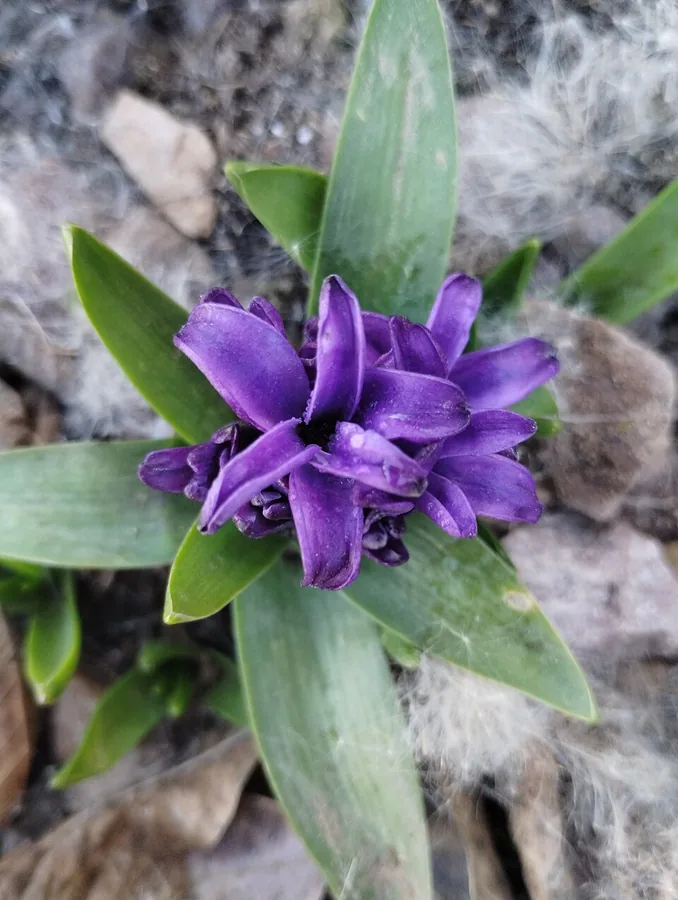
Hyacinths are the flower that announces spring in a room before the calendar does, grown for their full, upright spikes and a perfume that fills a space the moment the buds open. Set a few pots along a windowsill or a hall console and the whole home reads as fresh and awake again. They belong to the asparagus family and come from the eastern Mediterranean, though the generous garden types sold today owe their form to Dutch breeding.
Part of their charm is how little they ask of a schedule. Plant them in fall, forget them through winter, and they turn up in mid-spring right on cue for the season's first entertaining. They suit a border, a grouping of pots by the door, or an indoor forcing in the weeks when the garden still looks bare, ready to carry the scent of the season into everyday routine.
One note of caution shapes where they belong: every part of a hyacinth is toxic, the bulb most of all. The same bulbs that scent a spring table can trouble a curious pet and irritate bare hands, so they earn a spot out of a child's or animal's reach rather than at the center of a low table.
Care
The short version: plant the bulbs in fall in full sun and rich, well-drained soil, keep them moist through spring growth, then ease off the water and let the foliage die back on its own to feed next year's bloom.
Light
Hyacinths look their best in full sun, which keeps the stems trim and the spikes standing full and upright. They will accept partial shade and still flower, though the stalks stretch and lean toward the light, which softens their tidy profile.
Water
Keep the soil evenly moist from fall planting through the spring show, then ease off as the flowers fade and the bulb turns toward dormancy. The one thing to avoid is soggy ground, since standing water rots the bulb.
Soil
Plant in rich, well-drained loam worked through with organic matter. A pH between 6.0 and 7.5 suits them, and good drainage matters most of all, because wet feet are what undo these bulbs.
Temperature
Hyacinths are cold-hardy, taking winters down to about -20°F (-29°C) and spring warmth up to roughly 75°F (24°C). The chill is not a threat but a need, since the cold is what cues them into bloom.
Humidity
Ordinary outdoor humidity is all they ask, so there is no level to manage. A little air moving around the foliage helps hold fungal problems at bay.
Feeding
Work a balanced bulb fertilizer into the bed at fall planting, then offer a light feed as the shoots rise in early spring. That is enough to carry the bulb through bloom and restore it for the following year.
Pruning
Cut the spent flower spike away as soon as it fades so the bulb spends nothing on seed. Leave the leaves in place until they yellow and wither, because that fading foliage is what feeds next spring's flowers.
Repotting
Lift and divide the clumps every few years as the flowers shrink or the bulbs grow crowded. Splitting and replanting eases the crowding and brings the flowering back to form.
Size & spacing
Plants stand 6 to 12 inches (15 to 30 cm) tall with a slim 3 to 6 inch (8 to 15 cm) spread, which suits tight groupings and pots. Set the bulbs 4 to 6 inches (10 to 15 cm) deep and the same distance apart for a full, even display.
When to plant
Hyacinths keep to an unhurried fall-to-spring rhythm that fits neatly around a household calendar. Set the bulbs in the ground in mid-fall once the soil has cooled, let winter do its quiet work, and the flowers arrive in mid-spring around April or May. For color indoors ahead of the season, pot and chill a few bulbs in fall and force them into bloom.
Northern hemisphere
Southern hemisphere
Typical months for a temperate climate: start earlier in warm zones, later where spring frosts linger.
- Sow: For forcing, pot bulbs in fall and chill at about 35-48 degrees F for roughly 12-13 weeks (6-8 weeks in mild coastal areas) before bringing into warmth
- Plant: Mid fall, once soil temperatures drop below about 60 degrees F, 4-6 inches deep and 4-6 inches apart
- Harvest: Mid-spring (April to May)
Hardiness
USDA hardiness zones: 4–8
Temperature: down to -34°C
Troubleshooting
Most hyacinth setbacks begin underground at the bulb and surface as rot or as stunted, uneven growth. A quick lift of a suspect bulb usually tells the story. The third thing to keep in view is your own skin rather than the plant.
Soft bulbs that never rise or come up faint
The culprit here is bulb rot, which follows soil that has stayed too wet for too long. Ground that holds water gives fungi and bacteria the opening to soften a bulb before it ever breaks the surface. Lift and let go of the mushy ones, settle the firm bulbs into fast-draining soil, and draw back on watering once the display has finished.
Fix:
- Remove and discard rotted bulbs
- Replant healthy bulbs in well-drained, organically rich soil
- Reduce watering, especially as bulbs head toward dormancy
Warped, stunted leaves above bulbs hollowed within
Misshapen, stunted foliage usually signals bulb mites or narcissus bulb fly larvae working through the bulb below. Lift a plant that looks off and study the bulb for soft spots, tunneling, or mites. Set aside anything badly infested, plant only firm, clean bulbs, and keep the bed in good order from one season to the next.
Fix:
- Discard heavily infested bulbs
- Plant only firm, healthy bulbs
- Practice good sanitation and rotation
Red, itching skin after handling bulbs uncovered
This is contact dermatitis, brought on by the calcium oxalate crystals and other irritants held in hyacinth bulbs. The redness and itch settle wherever bare skin met the bulbs, usually in the wake of a bare-handed planting. Rinse the area with soap and water, and reach for gloves before returning to the bulbs.
Fix:
- Wash the affected skin with soap and water as soon as possible
- Wear gloves when handling bulbs
Toxicity
Every part of a hyacinth is toxic, and the bulb is the most dangerous of all. The bulbs hold alkaloids and calcium oxalate crystals that cause drooling, vomiting, and diarrhea in animals and people, and even handling them bare-handed can leave skin red and itchy. Treat the bulbs as a poison to keep well away from pets and children, and never let any part of the plant be eaten.
Toxic to
Cats · Dogs · Horses · Rabbits · Livestock · Birds · People
Cats Toxic
A cat that samples any part tends to drool first, then bring its food back up and pass diarrhea. The bulb is the part to reckon with, since a real mouthful can lead to heavy vomiting, a listless mood, and even tremors.
Dogs Toxic
Dogs make straight for the bulbs and dig them out, and that is where the alkaloids gather most. Look for drooling, vomiting, and diarrhea, with trembling or a subdued, worn-down dog possible after a larger amount.
Horses Toxic
A horse into the bulbs or foliage will drool, refuse its feed, and come down with colic and diarrhea. The bulb carries the heaviest dose, so any stored bulbs belong well out of reach.
Rabbits Toxic
Hyacinth is no browse for a rabbit. The same alkaloids and oxalate crystals sting the mouth and gut, leaving a rabbit drooling, off its food, and plainly out of sorts.
Livestock Toxic
Cattle, goats, and sheep can be poisoned by the bulbs and leaves, with drooling, an upset gut, and weakness the usual outcome. A fence between them and any planted beds or cast-off bulbs settles the matter.
Birds Toxic
The bulbs and foliage are toxic to birds as well, so keep pet and garden birds clear of the plant and any bulb scraps. Even a light nibble can trouble the gut and leave a bird subdued.
People Caution
No part of a hyacinth belongs at the table, and the bulb above all can prompt vomiting and diarrhea if swallowed. Handling the bulbs uncovered often leaves skin red and itching, so wear gloves and keep bulbs beyond a child's reach.
The bulbs can cause skin irritation (contact dermatitis), so wear gloves when handling them, and the bulbs should not be eaten.
Helpline numbers

United States
ASPCA Animal Poison Control: (888) 426-4435 (fee applies)
Poison Control: (800) 222-1222



Canada
Poison Centres: 1-844-764-7669
Varieties
Hyacinths arrive in a wide sweep of colors, and most named types set themselves apart mainly by the shade of the spike. These three mark the boldest corners of that palette.
Blue Jacket
A timeless choice whose dense navy spikes deepen almost to cobalt in a good light.
Woodstock
The most atmospheric of the trio, wrapped in rich maroon to burgundy-purple bloom.
Jan Bos
A warm accent that brings deep red to carmine-pink into the early spring bed.
Companions
Hyacinths shine when planted with other spring bulbs that bloom around the same time, building a layered show in beds and borders.
Plant near
Daffodils (Narcissus): Mix well with other spring-flowering bulbs for layered bloom and naturalizing displays.
Crocus: Pairs well in beds and borders as an early companion spring bulb.
Tulips: Combine effectively with other spring bulbs in mass plantings and borders.
How to propagate
Hyacinths quietly increase through the small offset bulbs they form, and dividing crowded clumps moves things along. Seed is an option, but a slow one, so few gardeners take it up.
Offsets & pupsEasy
Lift in summer dormancy after foliage dies back, or at fall planting · One to two growing seasons for offsets to reach flowering size
The easiest way to build your stock is through the small offset bulblets a mature bulb forms around its base. Ease them off during summer dormancy once the foliage has faded, or at fall planting, and give each one a place of its own. A season or two on, they reach flowering size.
DivisionEasy
Every few years when clumps become crowded or flowering declines · One to two seasons
When a clump grows crowded and the flowers begin to shrink, lift it and part it out every few years. Giving the bulbs their space again eases the competition and lets each one recharge. Replanted, they settle in and bloom well within a season or two.
SeedDemanding
Sow when ripe · Several years to reach flowering size
Raising hyacinths from seed is patient work and seldom worth the wait. Sow the seed the moment it ripens, then hold on for several years as the seedlings build toward flowering size. Most gardeners pass on it and deadhead instead, steering the bulb's energy into next year's bloom rather than into seed.
Myths
Hyacinth bulbs are safe to handle bare-handed since they are simply garden bulbs.
The bulbs are coated in irritant compounds and oxalate crystals that can leave skin red and itchy after a session in the garden. Extension sources agree on the point, and that is why they steer you toward gloves. Wear gloves whenever you handle hyacinth bulbs.
Hyacinths pose no threat to household pets.
The ASPCA lists hyacinth as toxic to cats, dogs, and horses, and the bulb ranks as the most poisonous part of all. A pet that eats it can end up vomiting, with diarrhea, and worse after a larger dose. Keep bulbs and plants well away from animals.